Minimalist design is often described as the art of living with less, but true minimalism is about much more than removing clutter. At its core, Minimalist design focuses on intentionality—creating spaces where every object serves a purpose and every design choice contributes to a sense of calm, balance, and functionality.
Known for its clean lines, uncluttered spaces, and restrained color palettes, Minimalist design has become one of the most influential interior styles in the world. While some people mistakenly view it as cold or sterile, well-designed minimalist interiors feel peaceful, welcoming, and highly livable.
By emphasizing quality over quantity and simplicity over excess, Minimalist design creates homes that encourage clarity, comfort, and a more mindful way of living.
The Origins of Minimalist Design
Minimalism emerged during the twentieth century as a reaction against excessive ornamentation and visual complexity. Influenced by Modernist architecture, Japanese design principles, and the idea that form should follow function, designers began stripping interiors down to their essential elements.
The philosophy gained momentum throughout the 1960s and 1970s, inspiring architects, artists, and designers to focus on simplicity, balance, and purposeful design.
Today, Minimalism continues to evolve, influencing everything from architecture and interior design to lifestyle choices and personal organization.
Key Characteristics of Minimalist Style
While minimalist interiors vary in appearance, several core principles define the style.
Clean Lines and Simple Forms
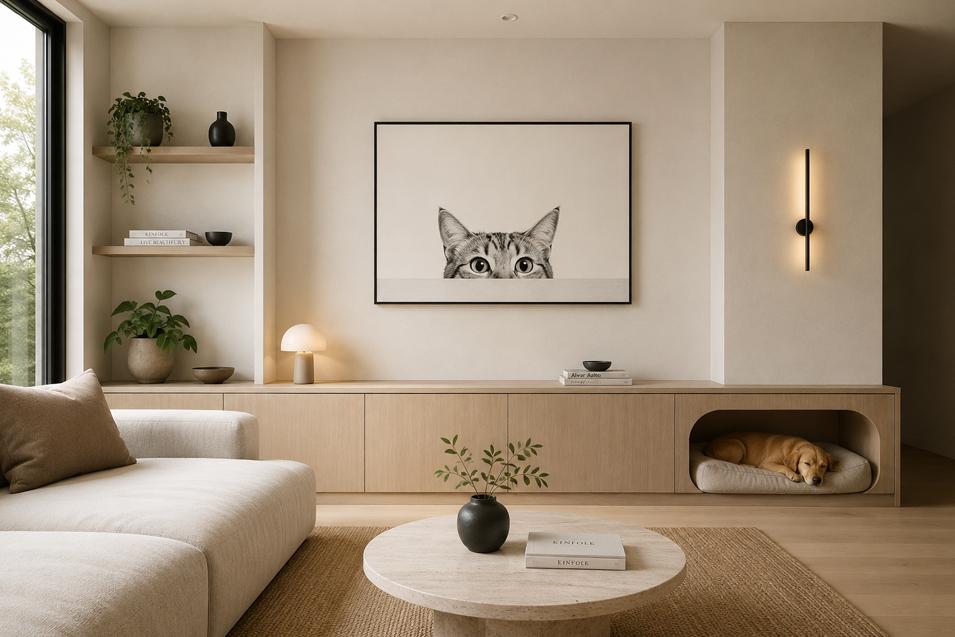
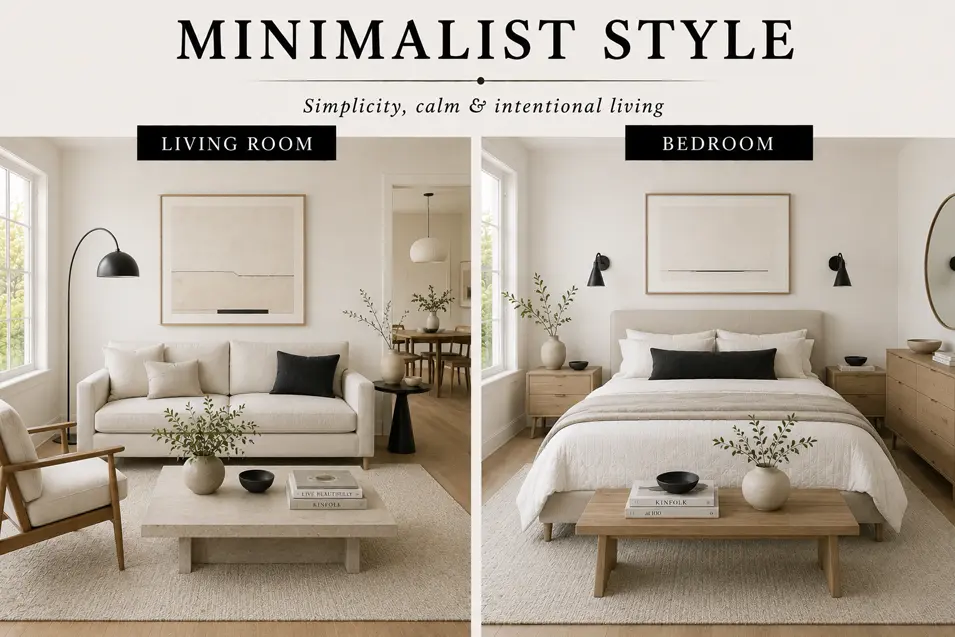
Minimalist spaces prioritize furniture and architectural elements with straightforward shapes and uncluttered silhouettes. Decorative details are minimized, allowing the beauty of form and proportion to stand on its own.
The result is a space that feels organized and visually calm.
Limited Color Palettes
Neutral colors are commonly used throughout minimalist interiors. Shades of white, beige, gray, taupe, and soft earth tones help create a cohesive and tranquil environment.
Accent colors may be introduced sparingly, but the overall palette remains restrained and harmonious.
Clutter-Free Spaces
One of the defining features of Minimalist design is the absence of unnecessary objects. Rather than filling rooms with decorative accessories, homeowners focus on retaining only what is useful, meaningful, or beautiful.
This creates a sense of openness that allows the architecture and furnishings to shine.
Quality Over Quantity
Minimalism values craftsmanship and durability. Instead of purchasing numerous decorative items, homeowners often invest in fewer, higher-quality pieces that will stand the test of time.
Every item earns its place within the space.
Natural Light and Open Space
Minimalist interiors frequently incorporate large windows, open floor plans, and thoughtful layouts that maximize natural light. Bright, airy spaces contribute to the calm and spacious feeling associated with the style.
Why Homeowners Love Minimalist Design
Many people are drawn to Minimalism because it offers relief from the distractions of modern life.
Busy schedules, overflowing closets, and constant digital stimulation can leave homeowners feeling overwhelmed. Minimalist interiors provide a visual and mental break from that noise by creating spaces that feel organized, intentional, and easy to maintain.
The style also offers remarkable versatility. Minimalist principles can be incorporated into apartments, family homes, luxury residences, and even small spaces where efficiency is especially important.
Common Misconceptions About Minimalism
One of the biggest myths surrounding Minimalist design is that it feels cold or uncomfortable.
In reality, successful minimalist interiors balance simplicity with warmth. Natural materials such as wood, stone, linen, wool, and leather help soften the space and create a welcoming atmosphere.
Another misconception is that Minimalism requires getting rid of everything you own. The goal is not deprivation—it’s intentionality. Minimalist homes focus on keeping the items that add value while removing unnecessary distractions.
How to Create a Minimalist Home
Creating a minimalist interior often begins with editing rather than decorating.
Start by evaluating the items in your home and removing anything that no longer serves a purpose. Focus on creating clear surfaces, organized storage solutions, and furniture arrangements that promote openness and functionality.
Choose a simple color palette and invest in furnishings that combine beauty and practicality. Introduce texture through natural materials and fabrics to prevent the space from feeling flat or sterile.
Most importantly, avoid filling empty spaces simply because they exist. Minimalism embraces the idea that sometimes less truly is more.
Minimalist vs. Japandi Design
While the two styles share similarities, they are not identical.
Minimalist design focuses on simplicity, function, and reducing visual clutter. Japandi incorporates those same principles but adds a stronger emphasis on natural materials, craftsmanship, warmth, and the Japanese concept of wabi-sabi.
In many ways, Japandi can be viewed as a warmer, more organic interpretation of minimalist living.
Is Minimalist Style Right for You?
Minimalist design is ideal for homeowners who value simplicity, organization, and intentional living. It creates spaces that feel calm, functional, and free from unnecessary distractions while still offering comfort and beauty.
Whether adopted as a complete lifestyle or incorporated through small design changes, Minimalism encourages homeowners to focus on what truly matters and eliminate what doesn’t.
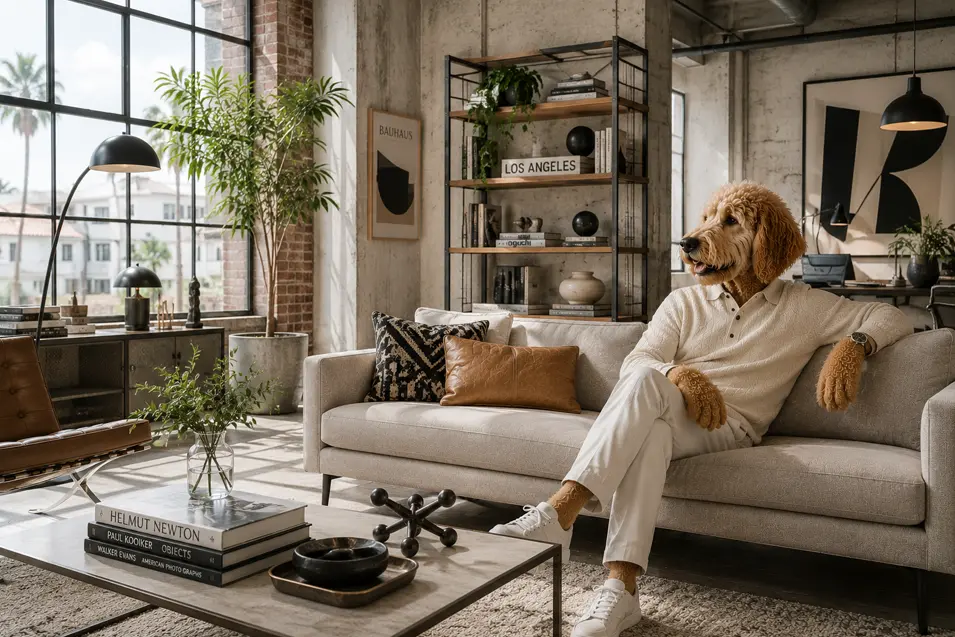
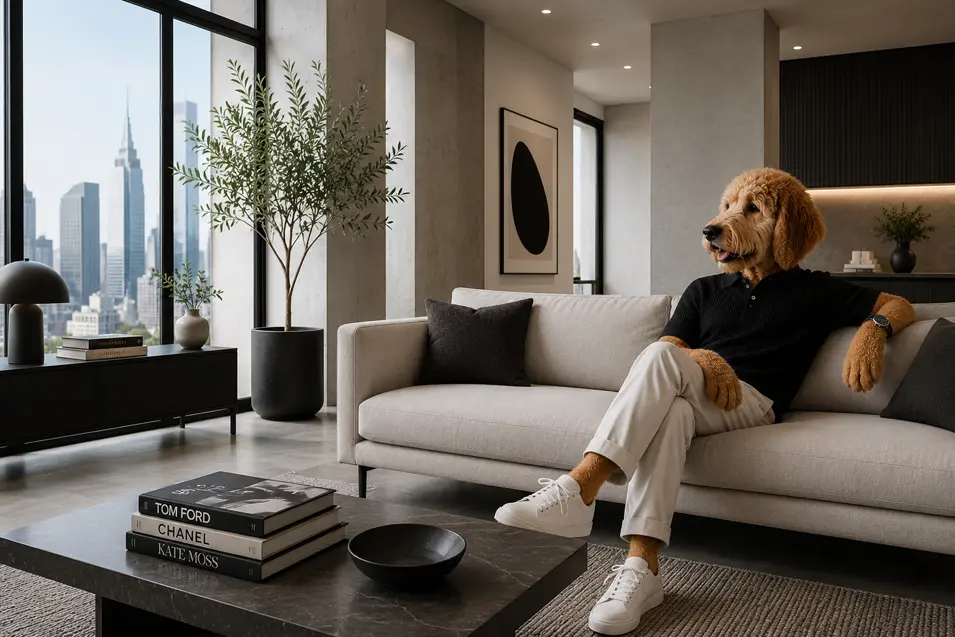
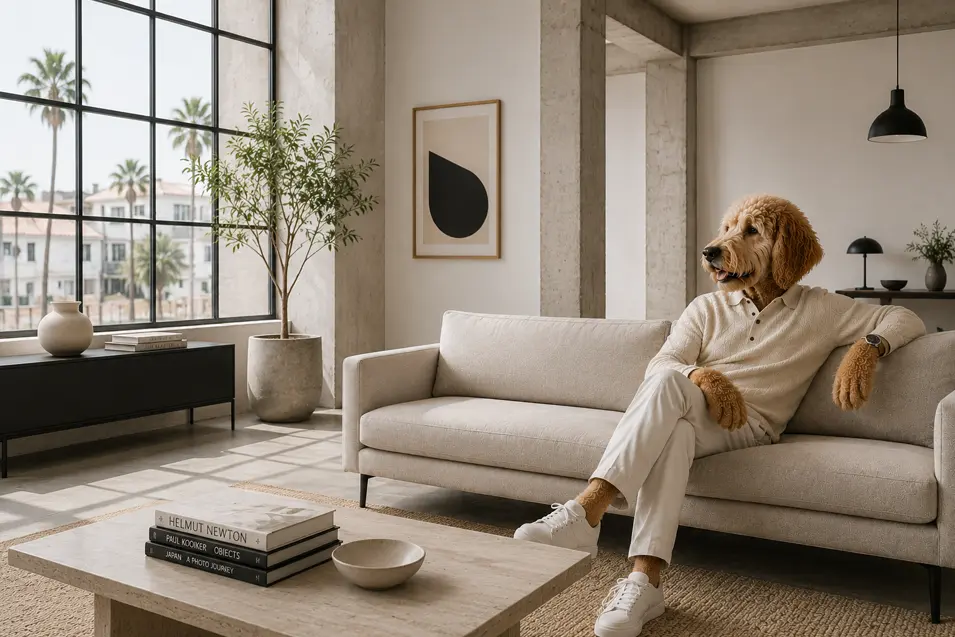
As Scout discovered while enjoying the quiet elegance of a thoughtfully designed room, Minimalist style proves that a home doesn’t need more things to make a statement—sometimes it simply needs less.