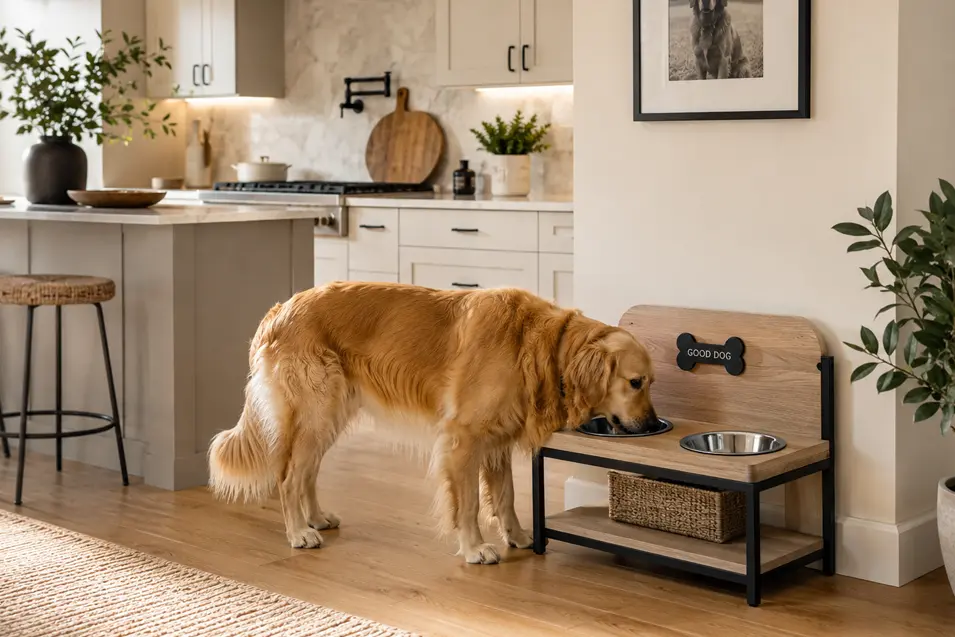
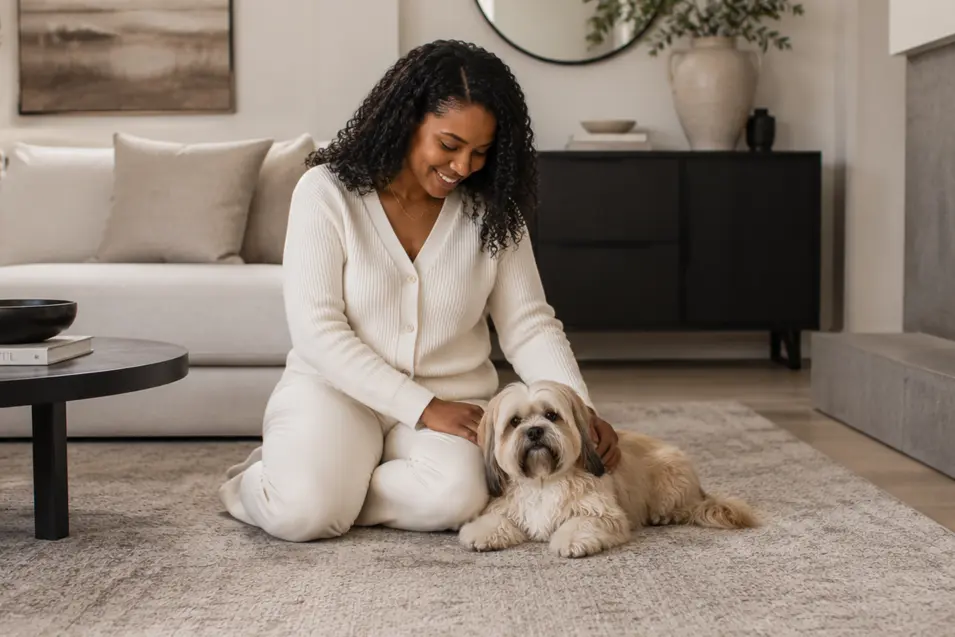
Area rugs can add warmth, comfort, color, and style to a home, but for pet owners, they also need to withstand a unique set of challenges. Dogs and cats bring plenty of joy into a household, but they can also introduce muddy paws, pet hair, occasional accidents, shedding, scratches, and everyday wear that can quickly damage the wrong rug.
Fortunately, pet owners don’t have to choose between a beautiful home and practical flooring solutions. Today’s market offers a wide variety of rugs designed to handle the realities of life with pets while still complementing a home’s décor.
Whether you’re shopping for a rug in the living room, bedroom, entryway, or family room, understanding what makes an area rug pet-friendly can help you choose one that looks great and holds up well over time.
Why Area Rugs Matter in Pet-Friendly Homes
Area rugs serve several important purposes beyond decoration.
For pet owners, they can:
- Protect hard flooring
- Improve traction
- Reduce noise
- Add comfort
- Help define living spaces
- Reduce slipping risks for pets
Many dogs and cats prefer resting on rugs because they provide warmth and cushioning compared to hard surfaces.
At the same time, rugs often become the first line of defense against scratches, dirt, and moisture.
Durability Should Be a Top Priority
One of the first factors to consider is durability.
Pets place significant demands on rugs through:
- Running
- Playing
- Digging
- Scratching
- Daily traffic
A rug that looks beautiful in a showroom may not perform well in a busy household with pets.
Look for materials and construction methods designed to withstand frequent use without showing excessive wear.
Durable rugs often save money in the long run because they require less frequent replacement.
Choose Low-Pile or Medium-Pile Rugs
Pile height refers to the length of the rug fibers.
For pet owners, lower pile heights are often the most practical option.
Benefits of Low-Pile Rugs
- Easier vacuuming
- Better stain resistance
- Less pet hair retention
- Improved durability
- Easier cleaning
Low-pile rugs are also less likely to trap dirt and debris.
Potential Issues With High-Pile Rugs
While plush rugs can feel luxurious, they often:
- Collect pet hair
- Hold odors
- Trap dirt
- Make stain removal more difficult
High-pile rugs may require significantly more maintenance in homes with pets.
Look for Stain Resistance
Accidents happen.
Even well-trained pets may occasionally have mishaps, particularly:
- Puppies
- Kittens
- Senior pets
- Newly adopted animals
Stain-resistant rugs can make cleanup far less stressful.
Many modern rugs feature treatments designed to resist:
- Moisture
- Food spills
- Pet accidents
- Everyday stains
While no rug is completely stain-proof, stain-resistant materials can dramatically improve performance.
Easy Cleaning Is Essential
A pet-friendly rug should be easy to clean.
Before purchasing, consider:
- Vacuuming requirements
- Spot-cleaning ability
- Professional cleaning needs
- Manufacturer recommendations
Many pet owners now prefer washable rugs because they simplify maintenance.
Machine-washable options have become increasingly popular for households with dogs and cats.
Consider Synthetic Fibers
The material used in a rug has a major impact on performance.
Synthetic fibers are often among the most pet-friendly options.
Popular Choices Include
- Nylon
- Polyester
- Polypropylene
- Olefin
These materials typically offer:
- Good stain resistance
- Durability
- Easy maintenance
- Affordability
Many synthetic rugs also resist moisture better than natural fibers.
Natural Fibers: Pros and Cons
Natural fiber rugs can be beautiful, but they often require more care.
Common materials include:
- Wool
- Cotton
- Jute
- Sisal
Wool Rugs
Wool offers:
- Durability
- Natural stain resistance
- Comfort
However, wool may be more expensive and can require specialized cleaning.
Sisal and Jute
These materials provide texture and visual appeal but may be more difficult to clean after pet accidents.
Carefully consider maintenance requirements before choosing natural fiber rugs.
Pay Attention to Color and Pattern
Color selection can have a significant impact on how well a rug hides daily wear.
Pet owners often benefit from:
- Multi-color patterns
- Textured designs
- Mid-tone colors
These styles can help disguise:
- Pet hair
- Dirt
- Minor stains
- Everyday wear
Solid light-colored rugs may show dirt more readily, while very dark rugs can highlight lighter-colored pet hair.
The ideal choice often depends on your pet’s coat color.
Non-Slip Backing Improves Safety
Safety is an important but often overlooked consideration.
Rugs that slide or bunch up can create hazards for both pets and people.
Look for:
- Non-slip backing
- Rug pads
- Secure placement methods
This is especially important for:
- Senior dogs
- Large breeds
- Pets with mobility challenges
Stable rugs help improve traction while reducing the risk of falls.
Avoid Delicate Materials
Some rugs simply aren’t practical for pet-friendly households.
Materials that may present challenges include:
- Silk
- Delicate handwoven fibers
- Antique rugs
- Specialty decorative rugs
These products may be more vulnerable to:
- Scratches
- Stains
- Moisture damage
- Wear
If preserving a valuable rug is a priority, consider placing it in a lower-traffic area of the home.
Think About Room Placement
The best rug for one room may not be ideal for another.
Entryways
Focus on durability, moisture resistance, and easy cleaning.
Living Rooms
Balance comfort, appearance, and stain resistance.
Bedrooms
Softness and comfort may be higher priorities.
Dining Areas
Easy cleanup becomes especially important.
Matching the rug to the room’s function can improve long-term satisfaction.
Washable Rugs Are Growing in Popularity
One of the biggest trends in pet-friendly home design is the rise of washable rugs.
These rugs offer several advantages:
- Easy maintenance
- Quick cleanup
- Reduced stress after accidents
- Long-term convenience
For busy pet owners, the ability to wash a rug at home can be a significant benefit.
Consider Your Pet’s Habits
Every pet is different.
Some dogs rarely track dirt into the house, while others seem determined to bring the outdoors inside.
Some cats ignore rugs entirely, while others treat them as favorite resting spots.
Before purchasing, think about:
- Shedding levels
- Activity level
- Age
- Grooming habits
- Accident history
Choosing a rug that matches your pet’s behavior often leads to better results.
Balancing Style and Practicality
The best pet-friendly rug strikes a balance between beauty and functionality.
A rug that is easy to clean but unattractive may leave homeowners dissatisfied. Likewise, a stunning rug that constantly shows dirt and stains can quickly become frustrating.
Fortunately, modern rug manufacturers offer countless options that provide both style and practicality.
The Bottom Line
Choosing a pet-friendly area rug involves more than selecting a color or pattern. Durability, stain resistance, ease of cleaning, fiber type, pile height, and safety all play important roles in determining how well a rug performs in a home with dogs or cats.
Low-pile rugs, synthetic fibers, washable options, and rugs with non-slip backing tend to provide the best combination of convenience and longevity. By carefully considering your pet’s habits and your household’s needs, you can select a rug that enhances your home’s appearance while standing up to years of paws, playtime, and everyday life.