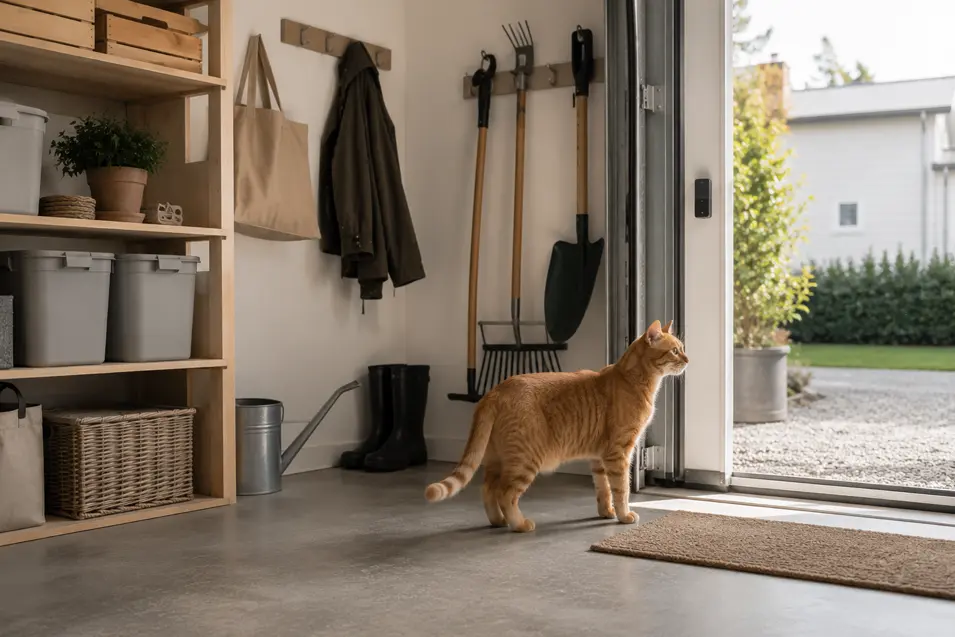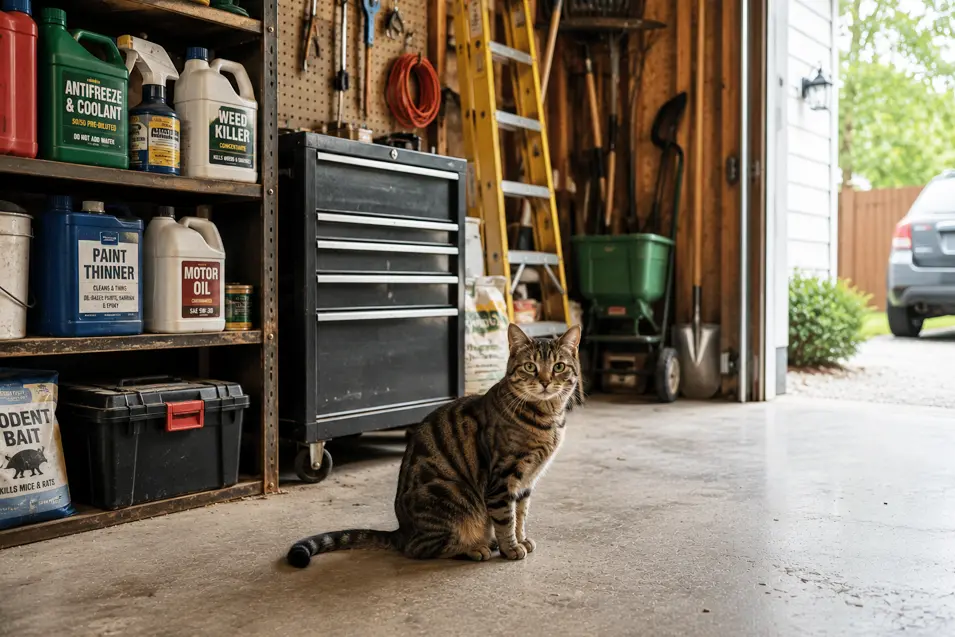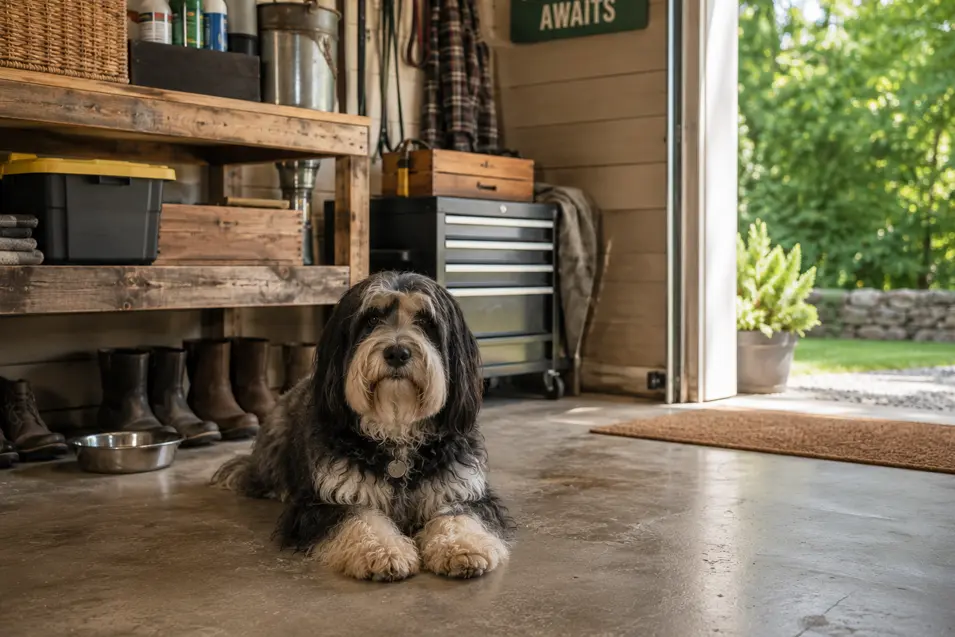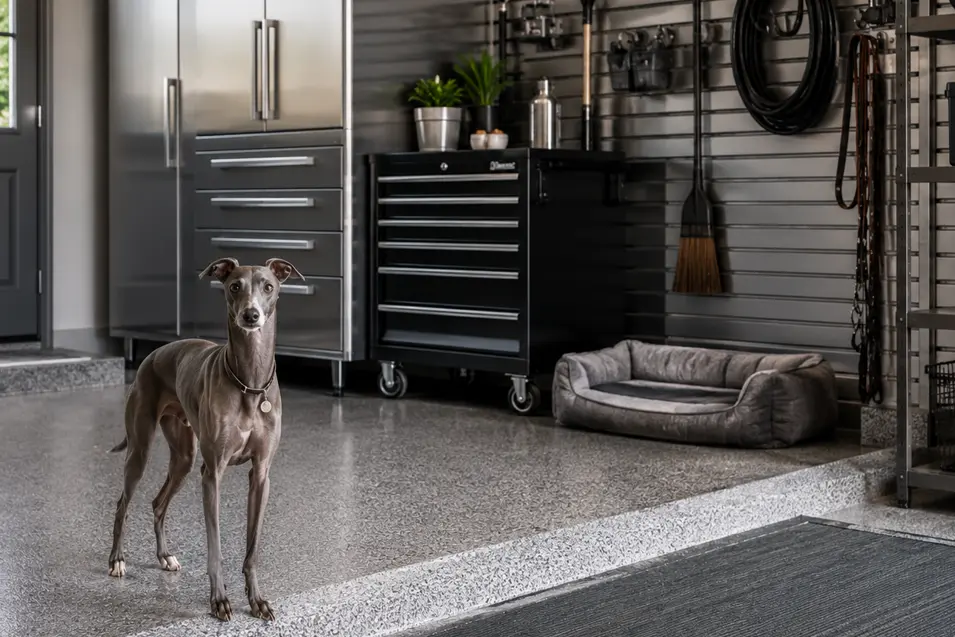
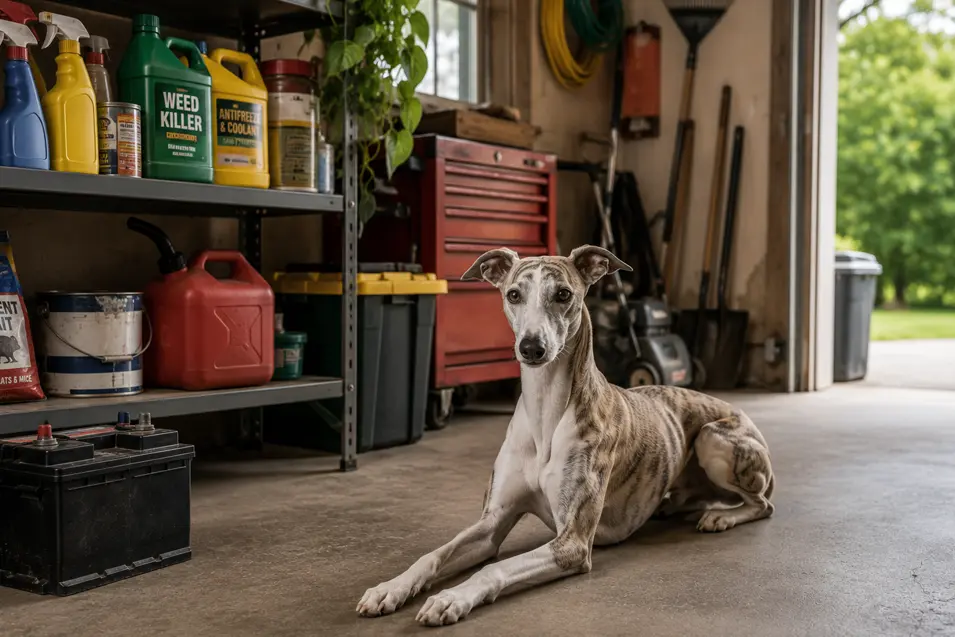
For many homeowners, the garage is a practical space used for parking vehicles, storing supplies, maintaining equipment, and completing household projects. However, what makes the garage useful often makes it one of the most hazardous areas of the home for pets.
Dogs and cats are naturally curious and may investigate unusual smells, spills, containers, and objects without recognizing the danger. Unfortunately, garages frequently contain toxic substances that can cause serious illness, organ damage, or even death if pets are exposed to them.
The good news is that most garage-related poisonings are preventable. By understanding which toxins are commonly found in garages and taking steps to store them safely, pet owners can dramatically reduce the risks to their furry family members.
Why Garages Are High-Risk Areas
Unlike kitchens, living rooms, and bedrooms, garages often contain products designed for maintenance, repair, and outdoor care.
These may include:
- Automotive fluids
- Lawn and garden chemicals
- Cleaning products
- Paints and solvents
- Pest-control products
- Fuel and lubricants
Many of these substances are toxic even in small quantities.
Because pets explore their environment through smell and taste, they can be particularly vulnerable to accidental exposure.
Antifreeze: One of the Most Dangerous Garage Toxins
Few garage toxins are as dangerous as antifreeze.
Antifreeze commonly contains ethylene glycol, a substance that can be fatal to dogs and cats. What makes antifreeze especially dangerous is its sweet taste, which may attract animals.
Even a small amount can cause:
- Vomiting
- Loss of coordination
- Excessive thirst
- Kidney failure
- Death if untreated
Cats are particularly sensitive to antifreeze poisoning, and immediate veterinary care is critical.
To reduce risk:
- Store antifreeze in sealed containers.
- Clean spills immediately.
- Inspect vehicles for leaks.
- Consider pet-safer antifreeze alternatives when available.
Motor Oil and Automotive Fluids
While motor oil may not be as immediately toxic as antifreeze, it can still pose health risks.
Other automotive fluids that can be dangerous include:
- Brake fluid
- Transmission fluid
- Power steering fluid
- Windshield washer fluid
Pets may encounter these substances through:
- Leaks
- Spills
- Contaminated surfaces
- Open containers
Exposure can lead to digestive upset, neurological symptoms, and other health complications depending on the product involved.
Proper storage and routine cleanup are essential.
Gasoline and Fuel Products
Gasoline, diesel fuel, and fuel additives are commonly stored in garages.
These products can be hazardous if:
- Inhaled
- Swallowed
- Absorbed through the skin
Symptoms of exposure may include:
- Vomiting
- Difficulty breathing
- Dizziness
- Weakness
- Chemical pneumonia if aspirated
Fuel containers should always be tightly sealed and stored where pets cannot access them.
Fertilizers and Lawn Chemicals
Many homeowners store lawn-care products in their garages.
Common examples include:
- Fertilizers
- Weed killers
- Herbicides
- Fungicides
While some fertilizers are relatively low in toxicity, others contain ingredients that can cause significant health problems.
Certain products may result in:
Always follow label instructions and keep lawn products stored securely.
Pesticides and Insecticides
Products designed to kill insects, rodents, or other pests can also harm pets.
Examples include:
- Ant killers
- Roach sprays
- Insect granules
- Rodent baits
- Fly control products
Because these products are intended to affect living organisms, accidental ingestion can be extremely dangerous.
Some symptoms may include:
- Excessive drooling
- Muscle tremors
- Seizures
- Breathing difficulties
Store pest-control products in locked cabinets whenever possible.
Rodenticides
Rodent poisons deserve special attention because they remain a leading cause of accidental pet poisoning.
Dogs are often attracted to bait blocks or pellets, while cats may be exposed through secondary poisoning after catching affected rodents.
Depending on the product, symptoms may include:
- Internal bleeding
- Weakness
- Neurological problems
- Organ failure
Modern rodenticides can remain dangerous long after they are placed.
Pet owners should carefully consider safer alternatives whenever possible.
Paints, Solvents, and Thinners
Many garages serve as storage areas for home improvement supplies.
Potentially hazardous products include:
- Paints
- Paint thinners
- Mineral spirits
- Lacquers
- Adhesives
These products may release fumes that irritate the respiratory system and can be toxic if ingested.
Containers should remain tightly sealed and stored away from pet-accessible areas.
Cleaning Products
Garage storage often includes household cleaning supplies.
Examples include:
- Bleach
- Degreasers
- Disinfectants
- Drain cleaners
- Concrete cleaners
Exposure can occur through direct ingestion, inhalation, or contact with skin and paws.
Pets may also encounter residue left behind after cleaning.
Proper storage and immediate cleanup of spills help reduce risk.
Pool Chemicals
Homeowners with swimming pools frequently store maintenance chemicals in the garage.
Products such as:
- Chlorine
- Shock treatments
- pH adjusters
- Algaecides
can be extremely irritating or toxic if ingested.
These chemicals should always remain in original containers and be stored in secure, dry locations.
Batteries and Battery Acid
Vehicle batteries and rechargeable equipment may contain corrosive materials.
Potential hazards include:
- Battery acid leaks
- Heavy metals
- Chemical burns
Pets that chew on batteries may suffer serious injuries to the mouth and digestive tract.
Damaged batteries should be replaced and disposed of properly.
Mulch and Landscaping Products
Some landscaping materials can also present risks.
Cocoa mulch, for example, contains compounds related to those found in chocolate and may be toxic to dogs.
Other landscaping products may contain fertilizers or additives that are unsafe for pets.
Read product labels carefully before use and storage.
Recognizing Signs of Poisoning
Because garage toxins vary widely, symptoms can differ significantly.
Common warning signs include:
- Vomiting
- Diarrhea
- Excessive drooling
- Loss of coordination
- Tremors
- Seizures
- Difficulty breathing
- Lethargy
- Loss of appetite
If poisoning is suspected, contact a veterinarian immediately. Early treatment often improves outcomes significantly.
Safe Storage Tips for Pet Owners
The best protection is prevention.
To reduce the risk of exposure:
- Store chemicals in closed cabinets.
- Keep products in original containers.
- Clean spills immediately.
- Avoid storing chemicals on the floor.
- Inspect containers regularly for leaks.
- Separate pet supplies from hazardous materials.
- Limit unsupervised pet access to the garage.
A few simple precautions can prevent many emergencies.
The Bottom Line
Garages often contain a surprising number of toxins that can harm dogs and cats. Antifreeze, automotive fluids, pesticides, fertilizers, rodenticides, paints, fuels, and cleaning products all have the potential to cause serious illness if pets gain access to them.
By recognizing common hazards and implementing safe storage practices, pet owners can transform the garage from a high-risk area into a much safer part of the home. Awareness, organization, and prevention remain the most effective tools for protecting curious pets from accidental poisoning.