If you share your home with pets, you know that keeping floors clean can feel like a never-ending battle. One rainy walk, a trip to the backyard, or an enthusiastic dog charging through the door can quickly turn a spotless floor into a trail of muddy paw prints and debris.
While some dirt is inevitable, the good news is that a few simple strategies can dramatically reduce the amount of mud, dust, grass, and outdoor debris that makes its way inside. By creating effective barriers and developing a few consistent habits, pet owners can enjoy cleaner floors , less cleaning, and a healthier livingenvironment.
Whether you have one dog, multiple pets, or simply want to keep outdoor messes under control, these practical tips can help prevent dirt from entering your home.
Start at the Source
The most effective way to control dirt indoors is to stop it before it reaches the door.
Take a look at the areas surrounding your home’s entrances. Bare soil, muddy pathways, and heavily trafficked sections of the yard often become major sources of dirt.
Consider improving outdoor access points with:
- Gravel pathways
- Pavers or stone walkways
- Mulch-covered areas
- Artificial turf
- Ground cover plants
Reducing muddy areas near entrances gives dirt fewer opportunities to cling to paws and shoes.
Create a Pet-Friendly Entry Zone
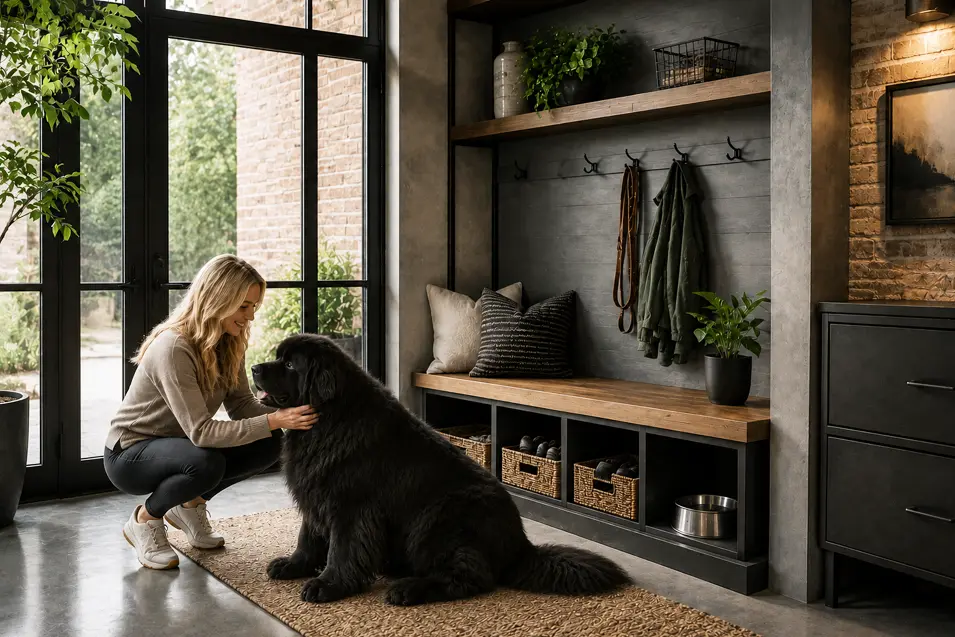
One of the best investments for pet owners is a dedicated transition area near the door.
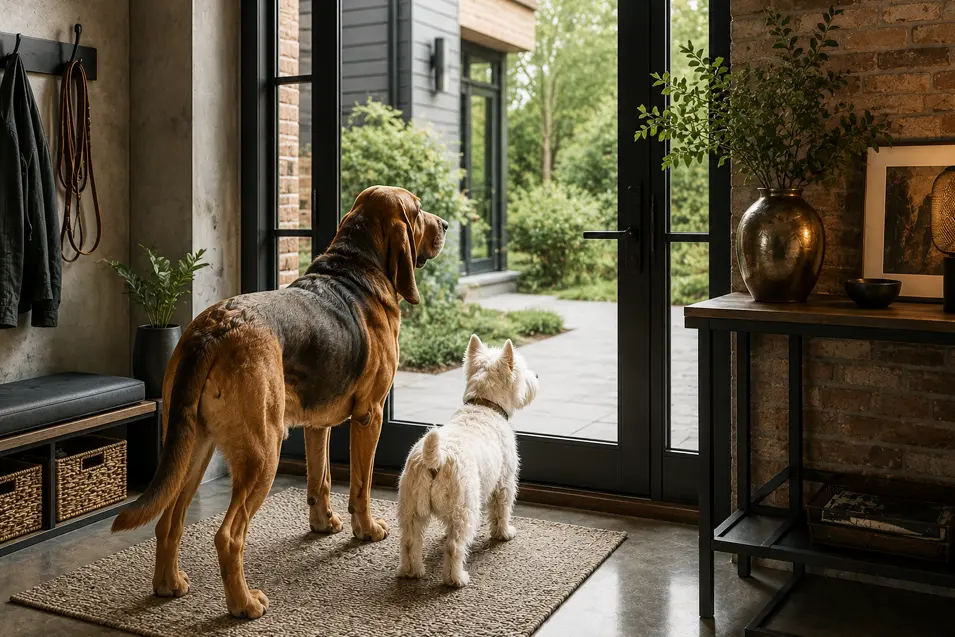
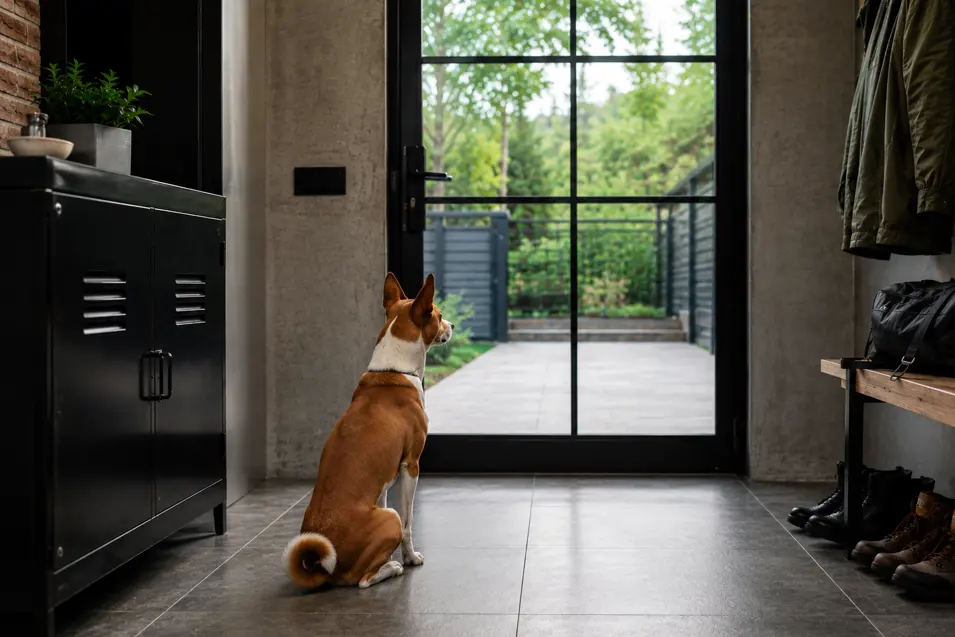
Mudrooms are ideal, but even a small entryway can serve as an effective dirt-control station. The goal is to create a space where dirt can be removed before pets enter the main living areas.
A pet-friendly entry zone might include:
- Absorbent floor mats
- Towel storage
- Paw-cleaning supplies
- Hooks for leashes
- A bench for removing shoes
- Storage for outdoor gear
Having everything conveniently located makes it easier to stick to a cleaning routine.
Use High-Quality Door Mats
Door mats are one of the simplest and most effective tools for reducing dirt.
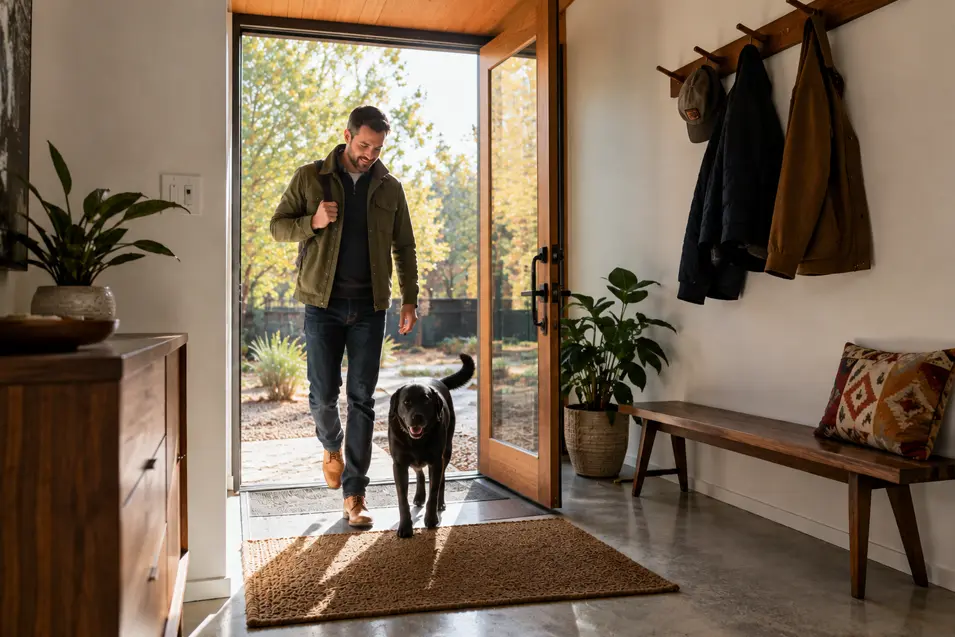
Place durable mats both outside and inside entry doors. Outdoor mats help remove larger debris, while indoor mats capture finer dirt and moisture that may remain.
For homes with dogs, choose mats that are:
- Absorbent
- Easy to clean
- Slip resistant
- Large enough for several steps
The more surface area available, the more dirt gets trapped before it reaches your floors.
Wipe Paws Before Entering
Paw wiping may seem like a small step, but it can make a significant difference.
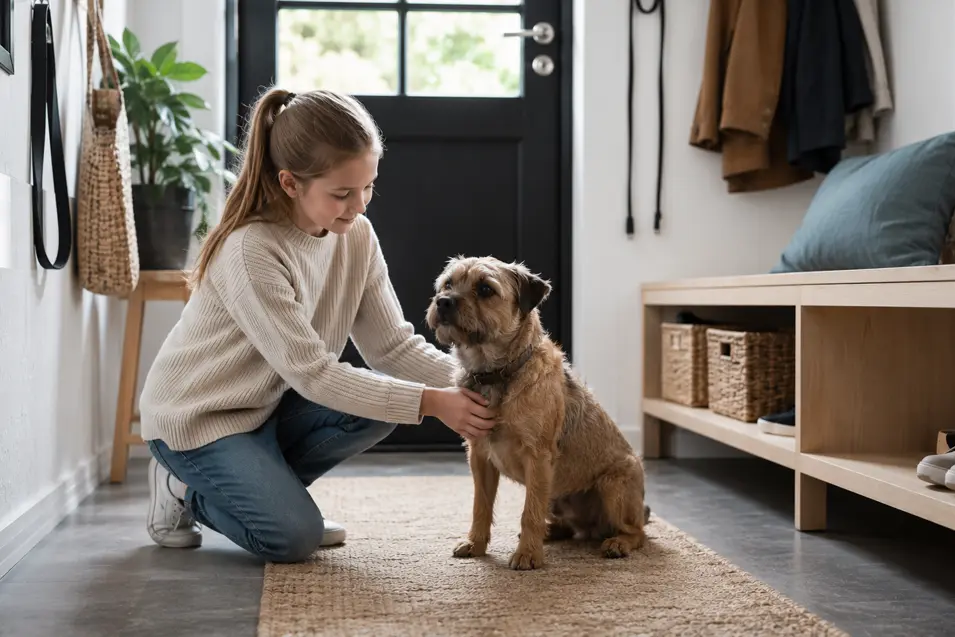
After walks or outdoor play sessions, take a moment to inspect your pet’s paws. Mud, grass, sand, and small stones often become lodged between paw pads and can quickly spread throughout the house.
Many pet owners keep a designated towel near the entrance for quick cleanups.
For particularly muddy conditions, consider using:
- Paw-cleaning cups
- Damp microfiber cloths
- Pet-safe wipes
- Portable paw washers
The few seconds spent cleaning paws can save considerable cleaning later.
Keep Your Yard Well Maintained
A poorly maintained yard often contributes to indoor messes.
Regular lawn care helps minimize dirt and debris that pets track inside. Maintaining healthy grass coverage is particularly important because grass naturally stabilizes soil and reduces muddy areas.
Simple maintenance tasks include:
- Reseeding bare patches
- Improving drainage
- Removing fallen leaves
- Trimming overgrown vegetation
- Filling low spots that collect water
A cleaner yard usually results in a cleaner house.
Address Moisture and Drainage Issues
Mud is often a symptom of poor drainage.
If certain areas of your yard remain wet long after rainfall, consider solutions that improve water flow and reduce standing water.
Options may include:
- French drains
- Grading adjustments
- Downspout extensions
- Gravel drainage beds
- Rain gardens
Reducing moisture around entry points significantly decreases the amount of mud that pets bring indoors.
Establish a Shoe-Free Policy
While pets often get the blame for dirty floors, human footwear is frequently responsible for bringing in just as much dirt.
Implementing a shoe-free policy can dramatically reduce the amount of outdoor debris entering your home.
Encourage family members and guests to remove shoes near the entrance and provide convenient storage options such as:
- Shoe racks
- Storage benches
- Entryway cubbies
Combining clean paws and shoe-free living creates a powerful defense against indoor dirt.
Groom Your Pet Regularly
A well-groomed pet brings less dirt into the home.
Long-haired dogs in particular can collect mud, burrs, leaves, and dust in their coats. Regular brushing helps remove debris before it becomes a problem indoors.
Routine grooming should include:
- Brushing
- Paw trimming
- Nail maintenance
- Coat inspections
- Bathing as needed
Keeping fur around the paws neatly trimmed can be especially helpful during wet weather.
Consider Protective Paw Wear
Some dogs adapt well to protective booties.
While not every dog enjoys wearing them, booties can be extremely effective during muddy seasons, snowy conditions, or particularly dirty outdoor adventures.
Benefits include:
- Reduced mud tracking
- Protection from ice and salt
- Cleaner floors
- Less paw cleanup
Introducing booties gradually often improves acceptance.
Protect High-Traffic Areas
Even with preventive measures, some dirt will inevitably make its way inside.
Protecting high-traffic zones can reduce wear and make cleanup easier.
Consider using:
- Washable runners
- Area rugs
- Floor protectors
- Easy-clean flooring surfaces
These barriers help capture debris before it spreads throughout the house.
Make Cleaning Quick and Convenient
The easier it is to clean up dirt, the more likely you’ll address it immediately.
Keep cleaning supplies readily available near entrances, including:
- Handheld vacuums
- Microfiber cloths
- Pet-safe floor cleaners
- Small brooms and dustpans
Quick cleanups prevent dirt from becoming embedded in flooring and carpets.
The Benefits Go Beyond Appearance
Reducing dirt indoors isn’t just about maintaining a tidy home.
Less dirt means:
- Improved indoor air quality
- Reduced allergens
- Less wear on flooring
- Fewer bacteria and contaminants
- Lower cleaning costs
- A more comfortable living environment
For households with children, seniors, or allergy sufferers, these benefits can be particularly valuable.
The Bottom Line
Keeping dirt out of the house is never completely possible, especially when pets are involved. However, by focusing on prevention rather than constant cleanup, homeowners can significantly reduce the amount of mud, dust, and debris that enters their living spaces.
Simple measures such as maintaining outdoor pathways, wiping paws, using quality mats, and creating a dedicated entry area can make a noticeable difference. Combined with regular pet grooming and good household habits, these strategies help keep homes cleaner while allowing pets to continue enjoying the outdoors.
After all, life with pets is meant to be enjoyed—not spent constantly chasing muddy paw prints across the floor.