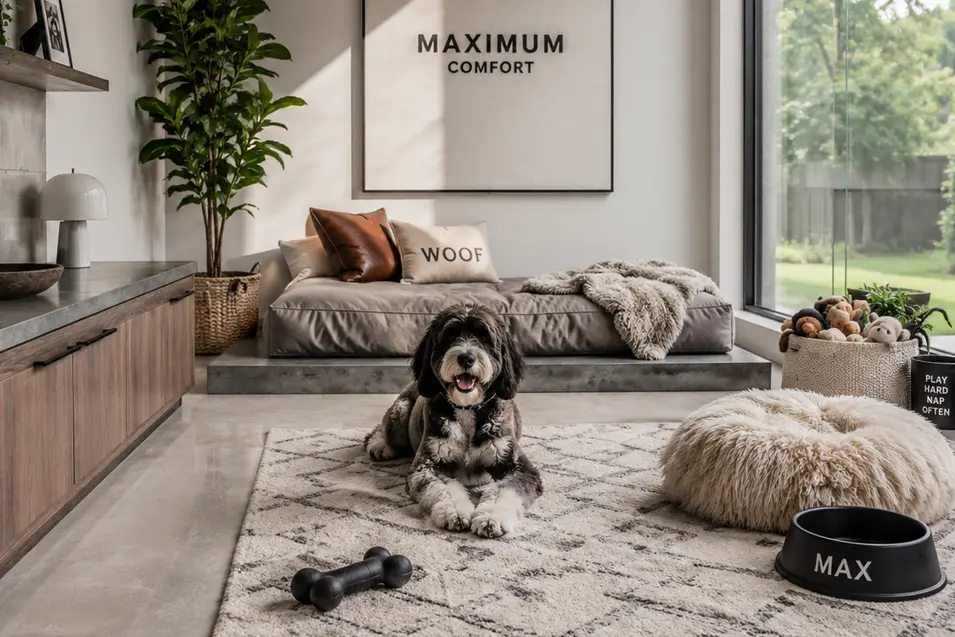
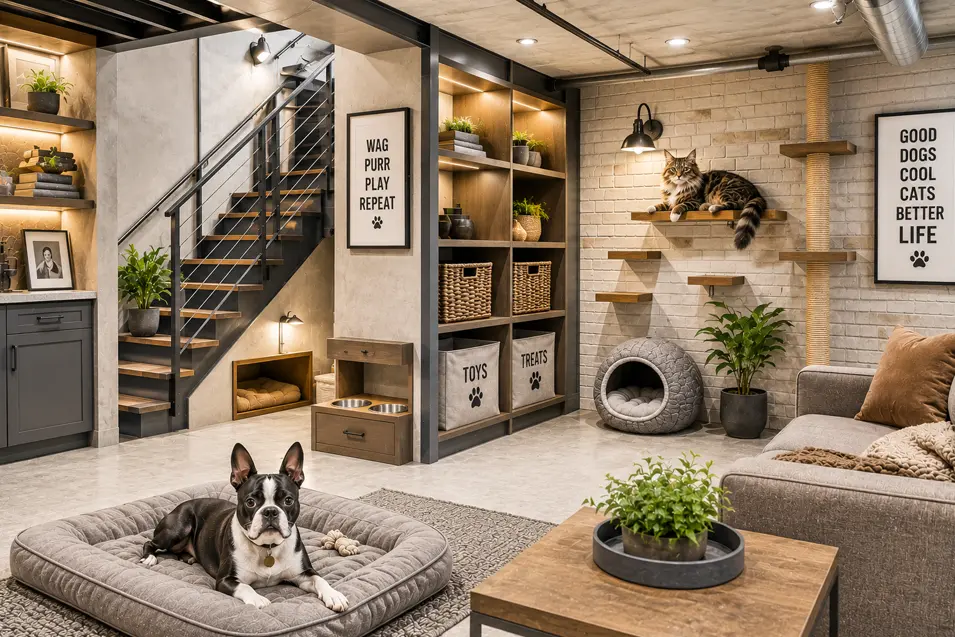
Basements are among the most versatile spaces in a home. They can serve as family rooms, entertainment areas, home offices, gyms, playrooms, and storage spaces. For pet owners, a basement also offers an excellent opportunity to create a dedicated area where cats and dogs can relax, play, and spend time with their families.
However, basements present unique challenges that require careful planning. Moisture, storage hazards, utility equipment, and temperature fluctuations can all affect how suitable a basement is for pets. Fortunately, with thoughtful design choices, a basemen t can become one of the most pet-friendly areasin your home.
Whether you’re finishing an unfinished basement or upgrading an existing space, understanding your pets’ needs can help you create a comfortable, functional, and safe environment that benefits the entire household.
Why Consider a Pet-Friendly Basement?
Many pet owners overlook the basement when planning pet spaces.
However, a well-designed basement can provide:
- Additional living space
- Dedicated pet areas
- Indoor exercise opportunities
- Storage for pet supplies
- Quiet resting areas
- Protection from extreme weather
For homes with active pets, the basement can become a valuable extension of daily living space.
It may also help reduce wear and tear in other parts of the home by concentrating pet-related activities in one well-organized area.
Start with Pet-Friendly Flooring
Flooring is one of the most important decisions when designing a pet-friendly basement.
The ideal flooring should be:
- Durable
- Moisture resistant
- Easy to clean
- Comfortable underfoot
- Scratch resistant
Popular basement flooring options include:
- Luxury vinyl plank flooring
- Porcelain tile
- Ceramic tile
- Rubber flooring
- Sealed concrete
Luxury vinyl plank is often a favorite among pet owners because it combines durability, comfort, and water resistance.
Area rugs with non-slip backing can provide additional comfort while improving traction.
Address Moisture Concerns
Basements naturally face more moisture-related challenges than other parts of the home.
Excess humidity can lead to:
- Mold growth
- Unpleasant odors
- Damaged furniture
- Health concerns for pets
Improve moisture control by:
- Repairing leaks promptly
- Installing a dehumidifier
- Monitoring humidity levels
- Improving ventilation
- Using moisture-resistant materials
A dry basement is healthier and more comfortable for everyone.
Create Comfortable Sleeping Areas
Every pet-friendly basement should include spaces where pets can rest undisturbed.
Consider adding:
- Orthopedic beds
- Elevated pet beds
- Cozy blankets
- Cat hideaways
- Quiet resting corners
Position sleeping areas away from heavy foot traffic and noisy equipment.
Many pets appreciate having a calm retreat where they can relax throughout the day.
Design a Dedicated Pet Zone
Rather than allowing pet supplies to spread throughout the basement, create a designated pet area.
This zone may include:
- Beds
- Toys
- Feeding stations
- Storage
- Grooming supplies
A dedicated pet area helps maintain organization while making it easier for pets to understand where they can comfortably spend their time.
Include Indoor Play Opportunities
One of the biggest advantages of a basement is the ability to provide indoor activity space.
This can be especially valuable during:
- Rainy weather
- Snowstorms
- Extreme heat
- Cold winter months
Indoor play features may include:
- Open floor space
- Puzzle toys
- Interactive games
- Agility equipment
- Cat climbing structures
Providing enrichment opportunities helps support both physical and mental well-being.
Add Vertical Space for Cats
Cats often benefit from features that encourage climbing and observation.
Consider including:
- Cat trees
- Wall-mounted shelves
- Window perches
- Elevated resting platforms
Vertical space helps cats exercise natural behaviors while maximizing available square footage.
It can also reduce conflicts in multi-pet households by providing cats with escape routes and elevated retreats.
Create Organized Storage Solutions
Basements often become storage areas by default, making organization especially important.
Pet-related items may include:
- Food
- Treats
- Toys
- Leashes
- Harnesses
- Grooming supplies
- Seasonal gear
Useful storage options include:
- Cabinets
- Shelving
- Storage benches
- Decorative bins
- Airtight containers
Proper storage reduces clutter and helps maintain a more attractive environment.
Include a Feeding Station
A dedicated feeding area can simplify daily routines.
Feeding stations may include:
- Food bowls
- Water bowls
- Waterproof mats
- Elevated feeders
- Nearby food storage
For homes with multiple pets, separate feeding zones may reduce stress and competition during mealtimes.
Keeping feeding areas organized also makes cleanup easier.
Consider a Pet Cleaning Station
Basements often provide an ideal location for pet cleanup areas.
Depending on available space, a cleaning station may include:
- Utility sinks
- Dog washing tubs
- Towels
- Paw-cleaning supplies
- Grooming equipment
A dedicated cleanup zone can help keep dirt and mud from spreading throughout the rest of the home.
Make Safety a Priority
Basements often contain hazards that are uncommon in other rooms.
Common concerns include:
- Utility equipment
- Exposed wiring
- Cleaning products
- Stored chemicals
- Sharp tools
- Small hardware items
Improve safety by:
- Securing chemicals in locked cabinets
- Covering exposed wiring
- Restricting access to utility rooms
- Organizing storage areas
- Anchoring shelving units
Regular inspections help identify risks before accidents occur.
Improve Lighting
Many basements suffer from inadequate lighting.
A brighter space feels more welcoming for both pets and people.
Lighting improvements may include:
- LED fixtures
- Task lighting
- Floor lamps
- Natural light enhancements
Good lighting also makes cleaning, grooming, and monitoring pets easier.
Ensure Comfortable Temperatures
Basements are often cooler than the rest of the home.
While some pets enjoy cooler temperatures, others may become uncomfortable.
Pay particular attention to:
- Puppies
- Senior pets
- Small breeds
- Short-haired animals
Comfortable bedding and proper climate control help ensure year-round comfort.
Create a Multi-Purpose Space
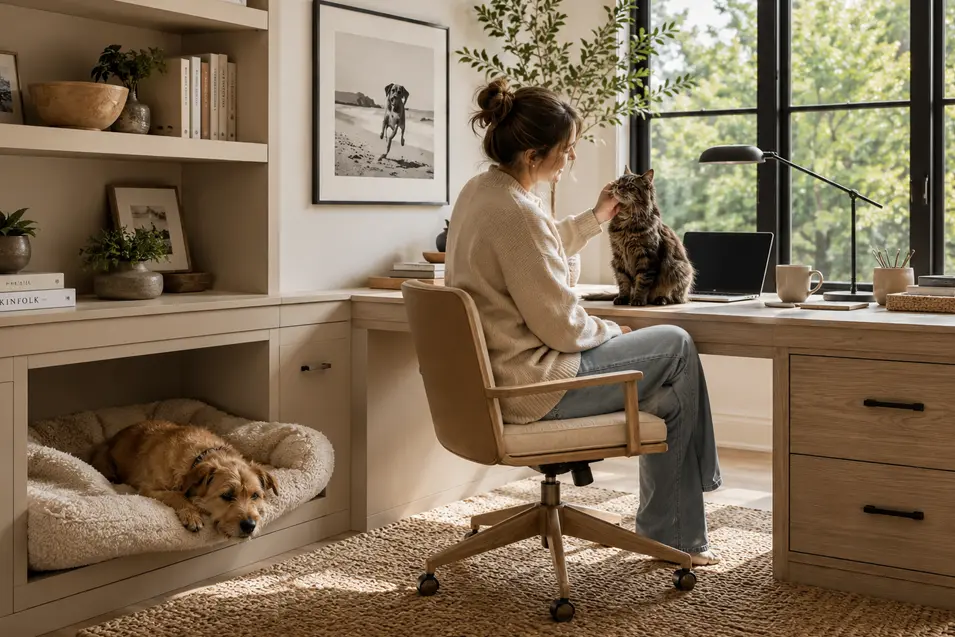
One of the greatest strengths of a basement is its flexibility.
A pet-friendly basement doesn’t need to be exclusively for pets.
Many homeowners successfully combine:
- Family rooms
- Home offices
- Playrooms
- Pet areas
- Storage zones
This allows the entire household to enjoy the space while still meeting pets’ needs.
Thoughtful layout planning helps different functions coexist comfortably.
Design for Long-Term Flexibility
Pets’ needs change over time.
A puppy’s play area may eventually become a senior dog’s quiet retreat.
Future needs may include:
- Additional storage
- Larger beds
- Accessibility improvements
- Extra feeding stations
Flexible designs help the space adapt as pets age and household needs evolve.
Creating a Basement Everyone Can Enjoy
Designing a pet-friendly basement is about creating a balance between comfort, functionality, safety, and organization. With durable flooring, moisture control, dedicated pet areas, enrichment opportunities, smart storage solutions, and thoughtful safety measures, a basement can become one of the most useful spaces in a pet-friendly home.
Whether your goal is to create a family room that accommodates pets, an indoor play area, or a dedicated pet retreat, thoughtful planning can help you maximize every square foot. The result is a welcoming environment where both people and pets can relax, play, and spend time together comfortably throughout the year.
A well-designed pet-friendly basement isn’t simply extra living space—it’s an opportunity to create a home that works better for every member of the family, including the four-legged ones.