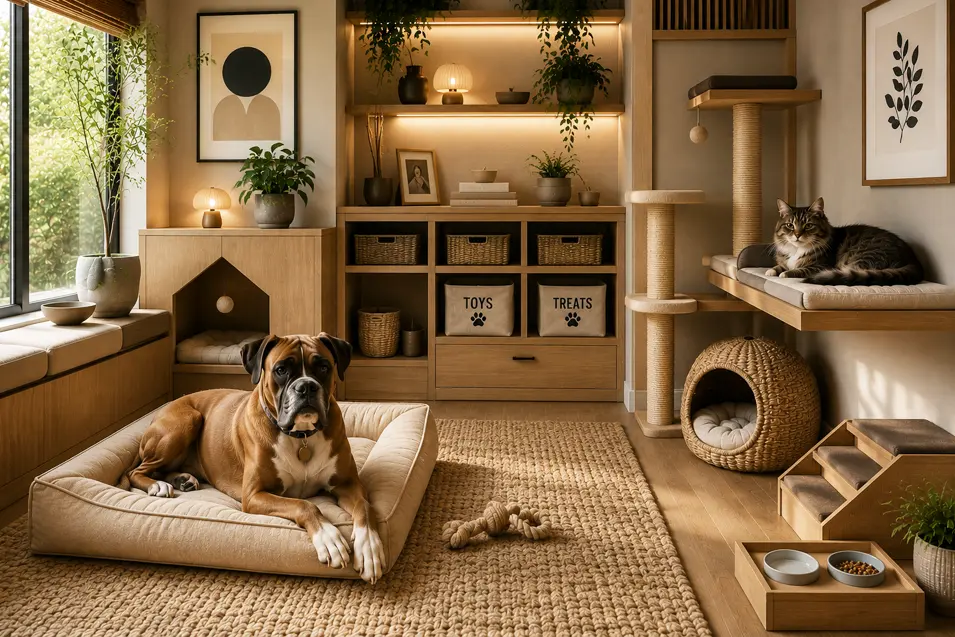
Creating a dedicated pet room is one of the best ways to improve organization, simplify pet care, and provide cats and dogs with a space designed around their needs. Whether it’s a spare bedroom, a finished basement, a section of a mudroom, or a custom-built pet retreat, a well-designed pet room can benefit both pets and owners.
However, many homeowners become so focused on aesthetics or trendy design ideas that they overlook the practical elements that truly make a pet room successful. A beautiful space that fails to meet a pet’s needs can quickly become underused, difficult to maintain, or even unsafe.
Fortunately, most pet room design mistakes are easy to avoid with a little planning. Understanding the most common pitfalls can help you create a room that remains functional, comfortable, and enjoyable for years to come.
Prioritizing Appearance Over Function
One of the biggest mistakes pet owners make is designing a room primarily for social media photos rather than everyday use.
It’s easy to become inspired by elaborate pet rooms featuring custom furniture, designer décor, and decorative accessories. While these spaces may look impressive, they don’t always serve the practical needs of the animals using them.
A successful pet room should prioritize:
- Comfort
- Safety
- Durability
- Easy maintenance
- Accessibility
A room that functions well will naturally become more enjoyable for both pets and owners.
Choosing the Wrong Flooring
Flooring is one of the most important components of any pet room, yet it’s often selected based solely on appearance.
Certain flooring materials can create problems when exposed to:
- Muddy paws
- Pet accidents
- Scratching
- Water spills
- Heavy daily use
Common flooring mistakes include:
- Installing delicate hardwood
- Choosing slippery surfaces
- Using difficult-to-clean carpeting
- Ignoring moisture resistance
Pet-friendly options such as luxury vinyl plank, tile, rubber flooring, and sealed concrete often provide better long-term performance.
Not Providing Enough Sleeping Areas
Many pet owners underestimate how much time their pets spend sleeping.
Dogs and cats need comfortable places to rest throughout the day.
A common mistake is providing only one sleeping location, especially in multi-pet households.
Better solutions include:
- Multiple pet beds
- Elevated resting areas
- Quiet corners
- Covered retreat spaces
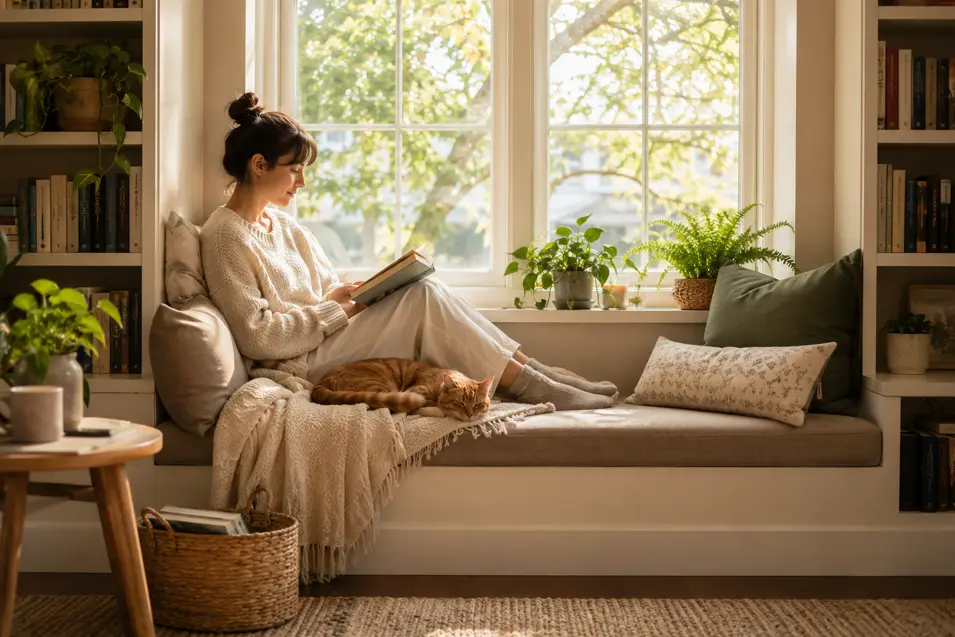
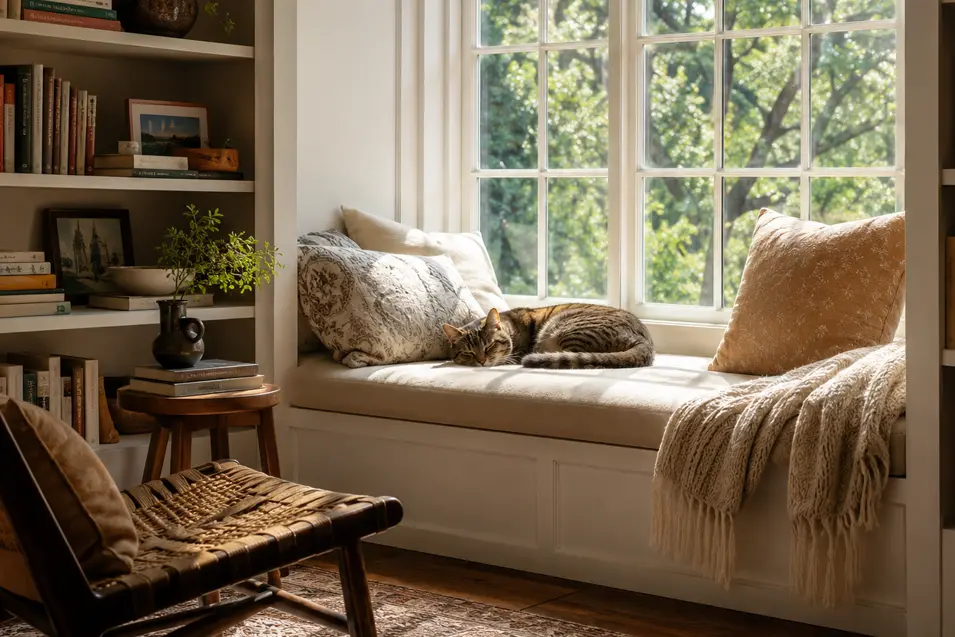
- Window-side resting spots
Providing options allows pets to choose locations that match their comfort preferences.
Ignoring Species-Specific Needs
A room that works well for a dog may not work well for a cat.
Likewise, the needs of a senior pet may differ significantly from those of a young, active animal.
Dogs often benefit from:
- Open floor space
- Durable bedding
- Easy access to food and water
Cats often prefer:
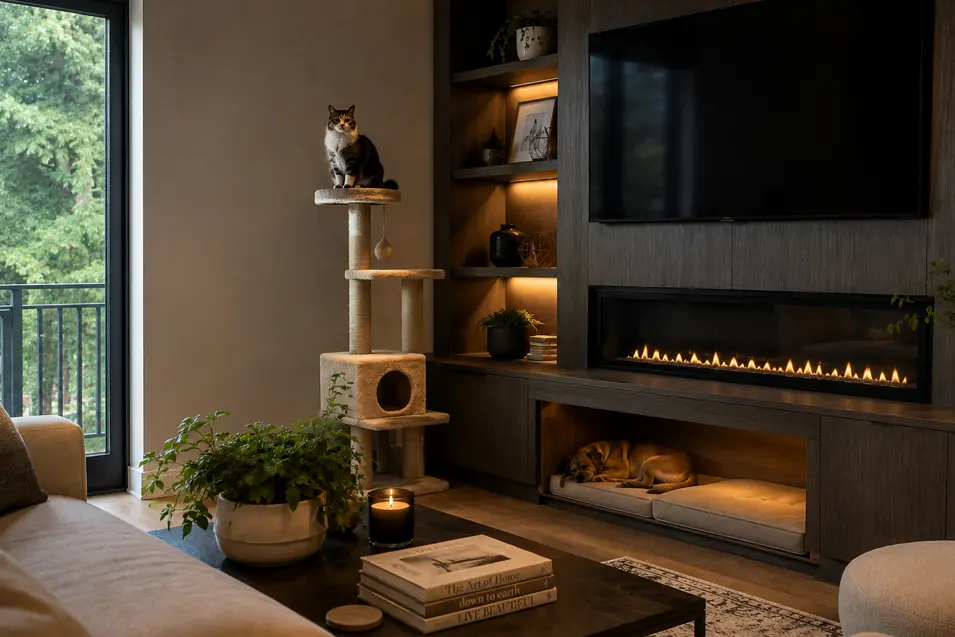
- Vertical climbing areas
- Window perches
- Hiding spaces
- Elevated resting spots
Designing for the specific pets that will use the room creates a more successful outcome.
Forgetting About Storage
Pet supplies accumulate quickly.
Food, treats, toys, grooming products, medications, leashes, and seasonal gear can easily overwhelm a room if storage is not included from the beginning.
Common storage mistakes include:
- Relying on floor space only
- Using too few storage containers
- Failing to organize supplies by category
- Not planning for future growth
Effective storage helps maintain a clean and functional environment.
Creating Unsafe Electrical Setups
Many pet rooms contain electronics such as:
- Cameras
- Air purifiers
- Fans
- Pet monitors
- Automated feeders
Unfortunately, exposed electrical cords are frequently overlooked.
Potential risks include:
- Chewing
- Entanglement
- Electric shock
- Fire hazards
All wiring should be secured and protected whenever possible.
Safety should always take precedence over convenience.
Underestimating Cleaning Requirements
Even the cleanest pets create messes.
Hair, dirt, odors, water spills, and occasional accidents are simply part of pet ownership.
A common mistake is choosing materials that are difficult to clean.
Look for:
- Washable bedding
- Durable flooring
- Moisture-resistant surfaces
- Easy-to-clean furniture
The easier the room is to maintain, the more likely it will remain functional over time.
Failing to Create Quiet Retreat Spaces
Many pets appreciate having a private area where they can rest without interruption.
Unfortunately, some pet rooms focus entirely on activity and play while neglecting opportunities for solitude.
Retreat spaces may include:
- Covered beds
- Crates
- Quiet corners
- Cat hideaways
- Furniture with enclosed sleeping areas
Providing privacy can help reduce stress and improve overall comfort.
Not Including Enrichment Opportunities
A room filled only with beds and storage may quickly become boring.
Pets need opportunities for mental stimulation.
Enrichment ideas include:
- Puzzle toys
- Treat-dispensing toys
- Snuffle mats
- Scratching posts
- Climbing shelves
- Interactive games
Enrichment supports healthy behavior and helps prevent boredom-related problems.
Overcrowding the Room
Many pet owners attempt to include every possible feature in a single room.
As a result, the space can become cluttered and difficult for pets to navigate.
Signs of overcrowding include:
- Limited open floor space
- Excess furniture
- Too many toys
- Blocked pathways
Pets often benefit more from a few carefully chosen features than an overwhelming collection of accessories.
Neglecting Ventilation
Proper airflow is often overlooked during pet room design.
Poor ventilation can contribute to:
- Odors
- Humidity
- Excess pet hair accumulation
- Reduced comfort
Helpful solutions include:
- Ceiling fans
- Air purifiers
- Open windows with secure screens
- Dehumidifiers when necessary
Fresh air improves comfort for both pets and people.
Forgetting About Future Needs
Pets change over time.
Puppies grow into adult dogs. Senior pets may develop mobility challenges. Families may add additional pets.
A common mistake is designing the room only for current needs.
Consider future factors such as:
- Larger beds
- Additional storage
- Accessibility requirements
- Multiple feeding stations
Flexible designs are often the most successful long-term solutions.
Making the Room Too Isolated
While dedicated pet rooms can be wonderful, pets are social animals.
Some owners unintentionally create spaces that are too isolated from family life.
Most dogs and cats prefer spending time near their people rather than being separated for extended periods.
A pet room should function as:
- A retreat
- A resting area
- A play space
—not a place where pets are expected to spend all their time.
The best pet rooms complement the rest of the home rather than replacing social interaction.
Overlooking Safety Hazards
Safety should be the foundation of every pet room design.
Common hazards include:
- Toxic plants
- Cleaning chemicals
- Small choking hazards
- Sharp edges
- Loose cords
- Unstable furniture
Regular inspections can help identify risks before accidents occur.
A safe room allows pets to enjoy the space comfortably and confidently.
Designing a Room Pets Will Actually Use
The ultimate goal of a pet room is not to impress visitors—it’s to create a space that genuinely improves your pets’ lives. By avoiding common mistakes such as prioritizing appearance over function, neglecting storage, overlooking safety, or failing to consider your pets’ specific needs, you can design a room that remains useful, comfortable, and enjoyable for years to come.
The most successful pet rooms balance comfort, organization, enrichment, and practicality. Whether you’re creating a luxury pet retreat or simply converting a spare room into a functional pet space, thoughtful planning will help ensure the room becomes a favorite destination for every furry member of the household.