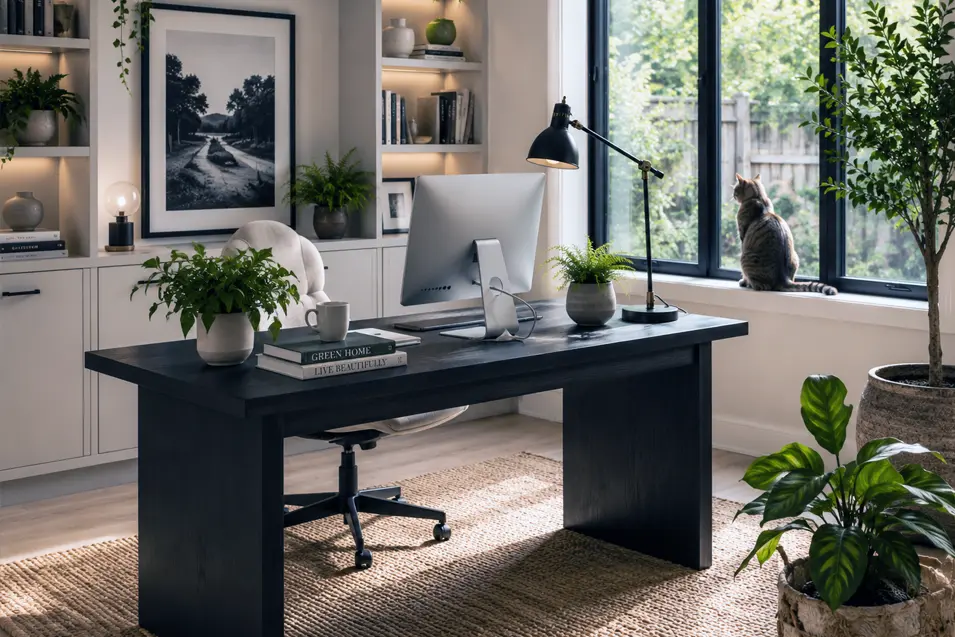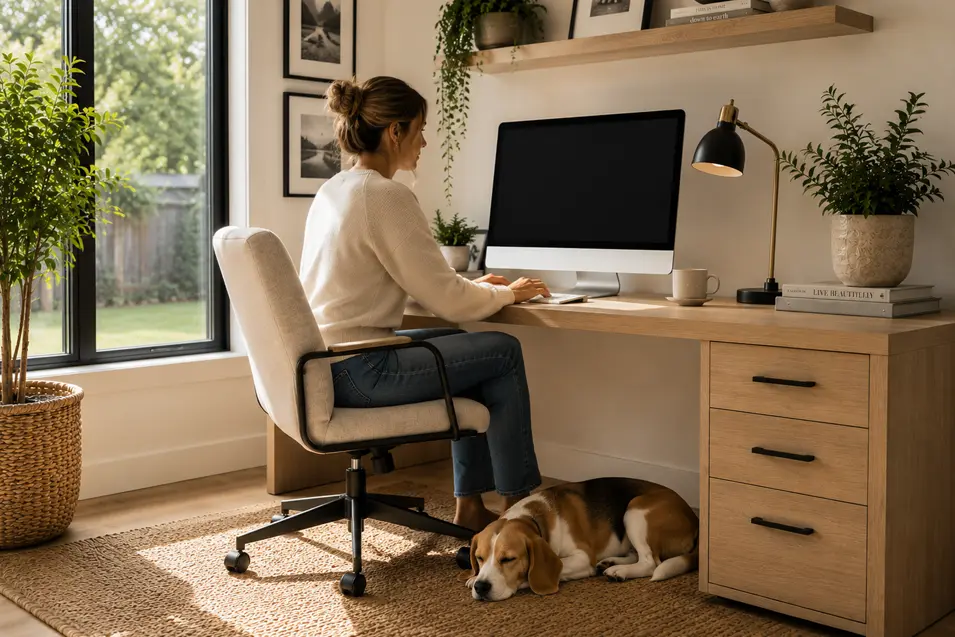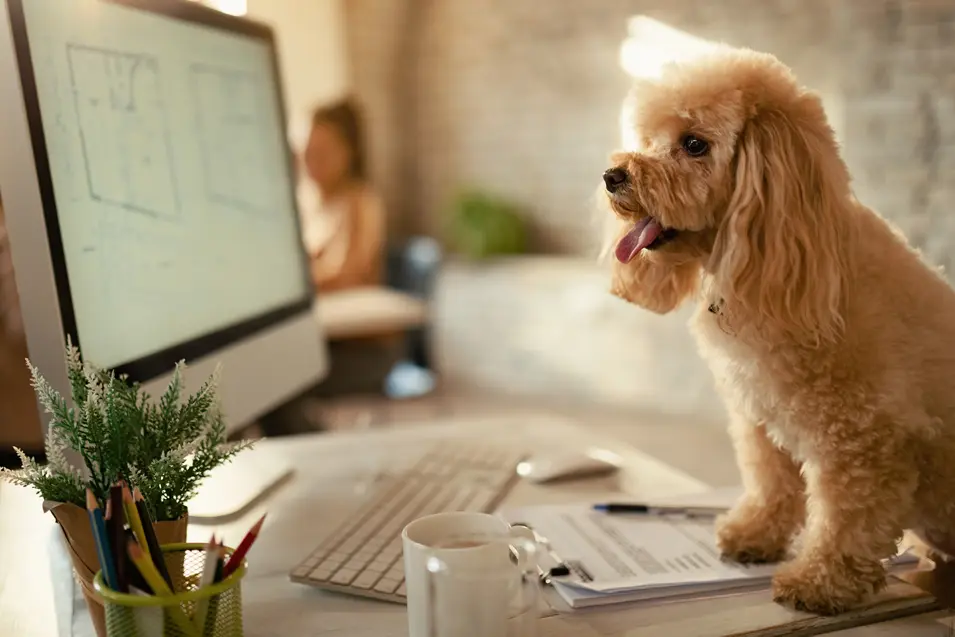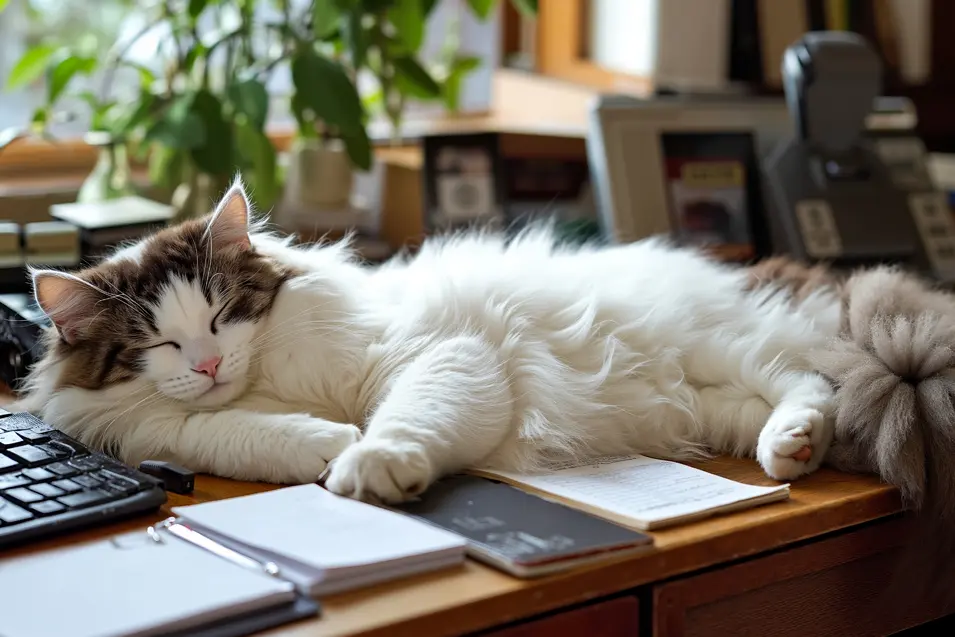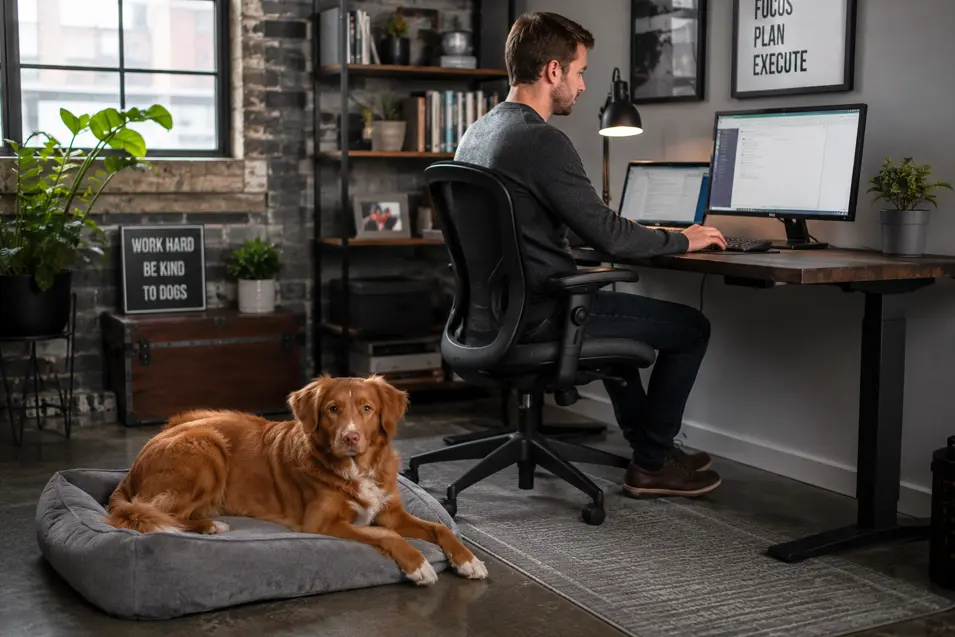
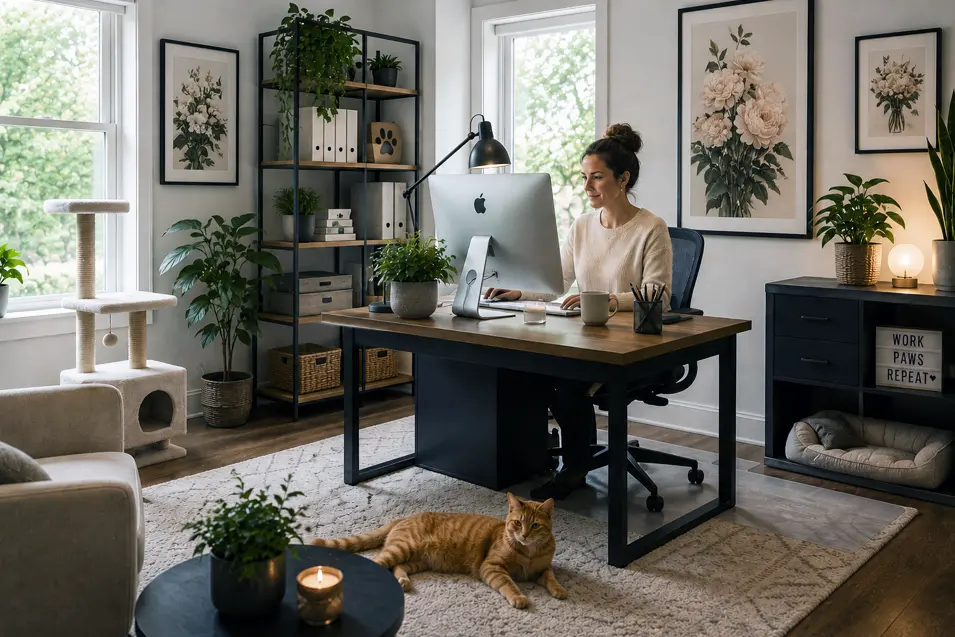
Working from home has become a permanent part of life for many people, and pets often enjoy having their owners nearby throughout the day. Dogs may nap beside a desk, while cats frequently claim keyboards, office chairs, and sunny windows as their favorite spots. While this companionship can make remote work more enjoyable, home offices often contain hidden hazards that pet owners may overlook.
Unlike living rooms and kitchens, home offices are filled with electronics, cords, office supplies, and work-related equipment that can pose risks to curious animals. What appears to be a safe workspace for humans may contain numerous dangers for pets that explore through chewing, climbing, pawing, and investigating unfamiliar objects.
By identifying these hidden risks and making a few thoughtful adjustments, you can create a home office that supports productivity while keeping your pets safe and comfortable.
Why Home Offices Require Special Attention
Many pet owners assume their office is a relatively safe environment because it doesn’t contain obvious hazards like kitchen appliances or cleaning chemicals.
However, home offices often contain:
- Electrical equipment
- Loose cords
- Small office supplies
- Batteries
- Paper shredders
- Houseplants
- Drinks and snacks
When pets spend hours in the room with you, these everyday items can become potential hazards.
The more time pets spend in a space, the more important it becomes to evaluate that environment from their perspective.
Electrical Cords and Charging Cables
One of the most common office hazards involves electrical cords.
Most home offices contain numerous cables connected to:
- Computers
- Monitors
- Printers
- Lamps
- Phones
- Tablets
- Chargers
Puppies and kittens are especially likely to chew cords out of curiosity or while teething.
Potential dangers include:
- Electric shock
- Mouth burns
- Internal injuries
- Fire hazards
To improve safety:
- Use cord covers
- Bundle cables together
- Secure wires behind desks
- Unplug unused chargers
Cable management systems not only improve safety but also create a cleaner workspace.
Small Office Supplies
Home offices are filled with small items that can become choking hazards.
Common examples include:
- Paper clips
- Push pins
- Rubber bands
- Binder clips
- Thumbtacks
- Staples
- Pen caps
Cats often enjoy batting small objects across the floor, while dogs may swallow them accidentally.
Store office supplies in drawers or sealed containers whenever possible.
Keeping desktops organized significantly reduces risk.
Batteries and Electronics
Many office devices contain batteries that can be dangerous if chewed or punctured.
Common sources include:
- Wireless mice
- Remote controls
- Keyboards
- Flashlights
- Small electronics
Battery acid can cause severe injuries to a pet’s mouth, throat, and digestive system.
Store spare batteries securely and replace damaged electronic devices promptly.
Toxic Houseplants
Plants are popular additions to home offices because they improve aesthetics and create a calming environment.
Unfortunately, many common office plants are toxic to pets.
Potentially dangerous plants include:
- Pothos
- Philodendron
- Peace lilies
- Snake plants
- ZZ plants
- Aloe vera
Pet-safe alternatives include:
- Spider plants
- Boston ferns
- Areca palms
- Calatheas
- Parlor palms
Before adding greenery to your workspace, verify that it is safe for both cats and dogs.
Office Chairs and Rolling Furniture
Office chairs may seem harmless, but they can present unexpected risks.
Pets sometimes nap beneath desks or behind chairs without being noticed.
Possible dangers include:
- Pinched paws
- Tail injuries
- Accidental collisions
- Startled pets
Before moving a rolling chair, check to ensure your pet isn’t resting nearby.
This is particularly important for small dogs, puppies, and cats.
Open Drinks and Food
Many people keep coffee, water, snacks, or meals in their home office.
While convenient, these items can create hazards.
Common concerns include:
- Spilled beverages on electronics
- Toxic foods
- Choking hazards
- Access to caffeine
Foods containing chocolate, raisins, onions, garlic, xylitol, and excessive caffeine can be especially dangerous for pets.
Keep food and drinks out of reach and avoid leaving them unattended.
Paper Shredders
Paper shredders are surprisingly common office hazards.
Moving parts can attract curious pets, particularly cats that enjoy investigating sounds and motion.
Risks include:
- Paw injuries
- Fur entanglement
- Electrical hazards
Always unplug shredders when not in use and store them where pets cannot access them.
Printer and Copier Areas
Printers often contain cords, moving parts, and cartridges that can pose risks.
Potential hazards include:
- Chewed wires
- Toner exposure
- Small detachable components
- Hot surfaces during operation
Keep printers on stable surfaces and secure associated cables whenever possible.
Regularly inspect equipment for signs of pet interference.
Window Hazards
Home office windows often provide natural light and outdoor views that attract pets.
While beneficial, windows can also create safety concerns.
Common risks include:
- Damaged screens
- Blind cords
- Overheating from direct sunlight
- Falls from open windows
Ensure screens are secure and keep blind cords safely out of reach.
Providing a safe window perch can satisfy a pet’s desire to observe outdoor activity.
Document Storage and Paper Products
Many pets enjoy shredding paper almost as much as people dislike cleaning it up.
Office documents, notebooks, and files can become tempting targets.
Potential concerns include:
- Ingested paper
- Important document damage
- Ink exposure
- Choking hazards
Store important materials in cabinets or drawers when not in use.
Protecting paperwork benefits both productivity and pet safety.
Noise and Stress Factors
Not all office hazards are physical.
Certain work environments may create stress for pets.
Examples include:
- Frequent video calls
- Loud speakers
- Ringing phones
- Office equipment noises
Some pets adapt easily, while others become anxious or overstimulated.
Providing a quiet resting area within the office can help pets feel more secure.
Create a Dedicated Pet Space
One of the best ways to improve safety is to give pets a designated area within the office.
Consider adding:
- A comfortable pet bed
- A blanket
- Water bowl
- Cat perch
- Quiet corner retreat
Providing an appealing alternative often reduces the likelihood that pets will investigate unsafe areas.
Many pets are content to rest nearby while their owners work.
Secure Storage Is Essential
The easiest way to prevent many office-related accidents is through proper storage.
Store safely:
- Office supplies
- Batteries
- Medications
- Electronics
- Food
- Cleaning products
Cabinets, drawers, and storage containers help keep dangerous items out of reach while maintaining a more organized workspace.
Creating a Pet-Friendly Home Office
A home office can be a wonderful shared space for both people and pets. Many animals enjoy spending time near their owners during the workday, and their companionship can make remote work more enjoyable and less stressful.
However, the electronics, office supplies, and equipment commonly found in workspaces require careful attention. By securing cords, storing supplies properly, choosing pet-safe plants, and creating dedicated pet areas, you can significantly reduce risks while maintaining a productive environment.
The safest home offices balance functionality, organization, and pet-friendly design. With a few simple adjustments, you can create a workspace where both you and your pets can spend the day comfortably and safely together.