A spare room can be one of the most valuable spaces in a home, especially for pet owners. While many people use extra rooms as guest bedrooms, home offices, or storage areas, pet-friendly households often discover that unused space can serve a variety of purposes that benefit both pets and people.
Whether you have a small bedroom that’s rarely occupied, a finished basement room, or an underutilized flex space, transforming it into a pet-focused area can improve organization, simplify daily routines, and enhance your pets’ quality of life.
The best use for a spare room depends on your pets’ needs, your lifestyle, and the amount of available space. With a little planning, an extra room can become one of the most functional areas in your entire home.
Why Dedicate a Room to Your Pets?
Pets are often involved in nearly every aspect of family life.
However, pet supplies, toys, grooming equipment, food storage, and sleeping areas can gradually spread throughout the home.
A dedicated room can help:
- Reduce household clutter
- Improve organization
- Create safe spaces for pets
- Support training and enrichment
- Simplify cleaning routines
- Provide structure for multi-pet households
Instead of pet-related items occupying every room, a dedicated space helps centralize many daily pet activities.
Create the Ultimate Pet Room
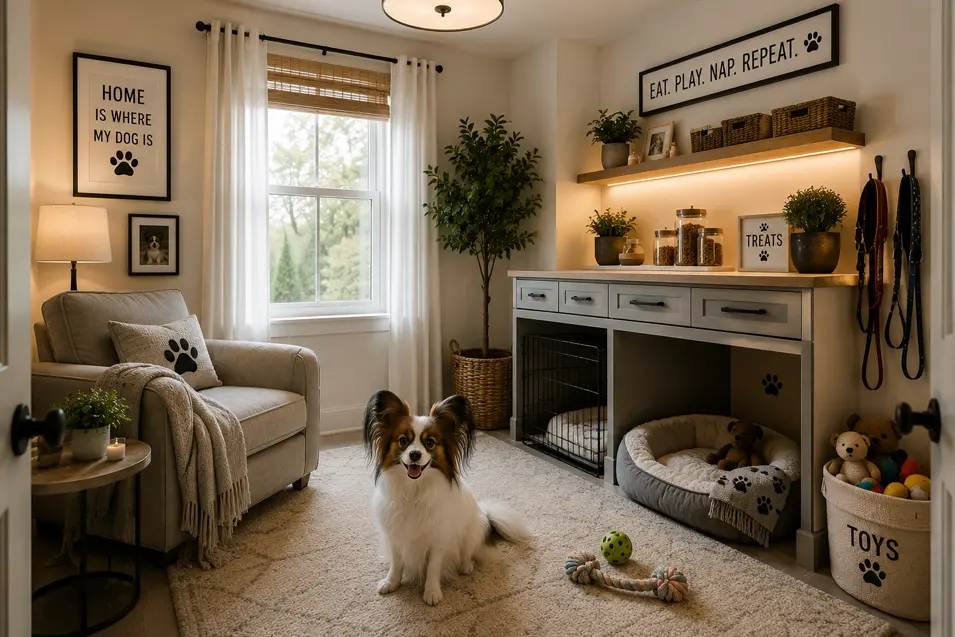
One of the most popular uses for a spare room is transforming it into a dedicated pet room.
A well-designed pet room may include:
- Comfortable beds
- Feeding stations
- Toy storage
- Water stations
- Grooming supplies
- Enrichment activities
For homes with both cats and dogs, the room can be divided into separate zones that accommodate each species’ needs.
A pet room provides a consistent environment where animals can relax, play, and enjoy time away from household activity when needed.
Design a Dog Room
Dog owners often find that a spare room makes an excellent canine retreat.
A dog room may include:
- Orthopedic beds
- Crates
- Toy bins
- Training supplies
- Leash storage
- Feeding stations
Dogs appreciate having a predictable place where they can rest and feel secure.
For active dogs, the room can also serve as a space for indoor enrichment and training exercises.
Create a Cat Haven
Cats often thrive when they have dedicated spaces designed around their natural behaviors.
A spare room can become a feline paradise featuring:
- Cat trees
- Window perches
- Climbing shelves
- Scratching posts
- Hideaway beds
- Interactive toys
Because cats enjoy vertical space, even a relatively small room can offer significant enrichment opportunities.
Adding multiple levels helps maximize the available square footage.
Build a Pet Grooming Room
Grooming supplies often end up scattered throughout the house.
A dedicated grooming room can help keep everything organized while making routine maintenance easier.
Useful features include:
- Storage cabinets
- Grooming tables
- Towels
- Brushes
- Nail clippers
- Pet-safe shampoos
If plumbing is available, some homeowners even install pet washing stations or utility sinks.
A dedicated grooming room can significantly simplify bathing and cleanup.
Create a Puppy Training Space
New puppy owners may benefit from converting a spare room into a training and development area.
A puppy room can include:
- Crates
- Exercise pens
- Training supplies
- Washable flooring
- Interactive toys
- Comfortable bedding
This controlled environment helps support house training while limiting access to potentially hazardous areas of the home.
As the puppy matures, the room can evolve to meet changing needs.
Design an Indoor Playroom
Weather doesn’t always cooperate with outdoor activities.
An indoor playroom gives pets a safe place to stay active year-round.
Popular features include:
- Interactive toys
- Agility equipment
- Puzzle feeders
- Climbing structures
- Open floor space
Playrooms can be particularly valuable for high-energy dogs and indoor cats that benefit from additional physical and mental stimulation.
Create a Pet-Friendly Home Office
Many people now work remotely, making a spare room home office a practical choice.
A pet-friendly office can include:
- A comfortable pet bed
- Toy storage
- Water bowls
- Window perches
- Quiet resting areas
This arrangement allows pets to remain close while owners work without causing disruptions.
Many dogs and cats enjoy spending time near their humans during the workday.
Build a Feeding and Supply Center
Some households accumulate a surprising amount of pet-related supplies.
A spare room can function as a central storage hub for:
- Pet food
- Treats
- Medications
- Grooming products
- Toys
- Seasonal gear
Organizational tools may include:
- Shelving units
- Cabinets
- Storage bins
- Airtight food containers
A centralized supply room helps keep the rest of the house more organized.
Create a Recovery Room for Senior Pets
Older pets often benefit from quiet spaces where they can rest comfortably.
A senior pet room may include:
- Orthopedic bedding
- Non-slip flooring
- Elevated feeding stations
- Easy access to water
- Temperature-controlled comfort
Senior pets frequently appreciate calm environments with minimal distractions.
The room can also make it easier to monitor health concerns and administer medications.
Design a Multi-Purpose Pet Room
Not every spare room needs a single purpose.
Many homeowners create flexible spaces that combine several functions.
For example, a room might include:
- Sleeping areas
- Storage solutions
- Grooming stations
- Feeding zones
- Play equipment
A multi-purpose design often provides the greatest value while accommodating changing needs over time.
Consider Flooring Carefully
Regardless of how the room will be used, flooring plays an important role.
Pet-friendly options include:
- Luxury vinyl plank
- Tile
- Rubber flooring
- Sealed concrete
These materials resist scratches, moisture, and stains while remaining easy to clean.
The best flooring depends on the room’s primary purpose and the types of pets using it.
Focus on Safety
Every pet-focused room should prioritize safety.
Secure or remove:
- Electrical cords
- Toxic plants
- Cleaning chemicals
- Medications
- Small choking hazards
- Sharp objects
Pet-proofing the room helps prevent accidents while allowing pets to enjoy the space comfortably.
Regular inspections can help identify potential risks before they become problems.
Make the Room Comfortable
The most successful pet spaces balance functionality with comfort.
Consider adding:
- Soft bedding
- Natural light
- Good ventilation
- Comfortable temperatures
- Quiet retreat areas
A room that feels welcoming is more likely to become a favorite space for your pets.
Making the Most of Extra Space
A spare room offers countless possibilities in a pet-friendly home. Whether you choose to create a dedicated pet room, a grooming station, a training area, a cat haven, or a multi-purpose space, the key is designing around your pets’ needs while supporting your household’s daily routines.
Unused rooms often become storage areas by default, but transforming that space into something purposeful can provide long-term benefits for both pets and owners. With thoughtful planning, a spare room can improve organization, reduce clutter, simplify pet care, and enhance your pets’ overall quality of life.
For many pet owners, an extra room isn’t just unused square footage—it’s an opportunity to create a space where their pets can truly thrive.