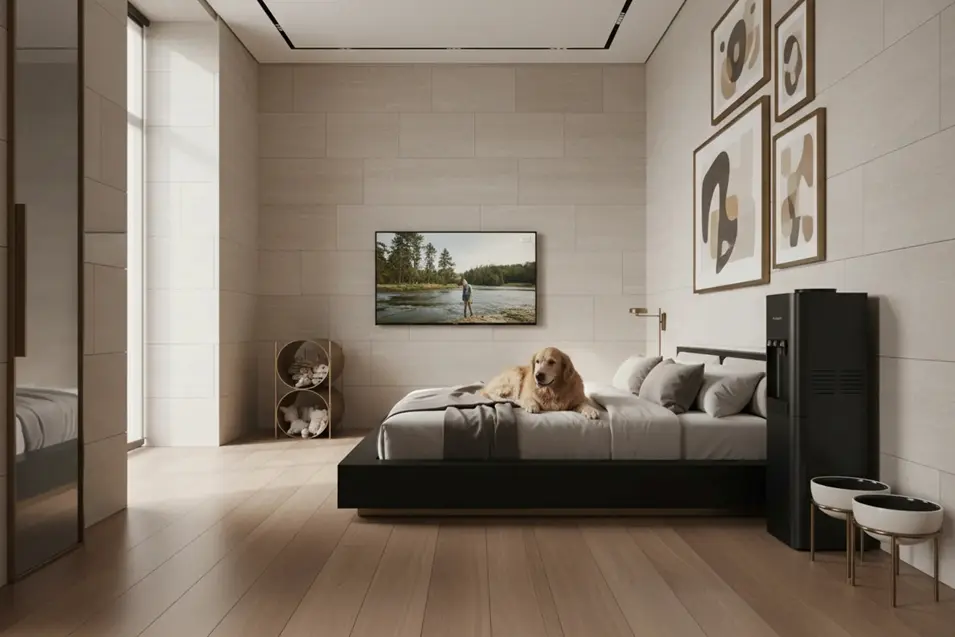
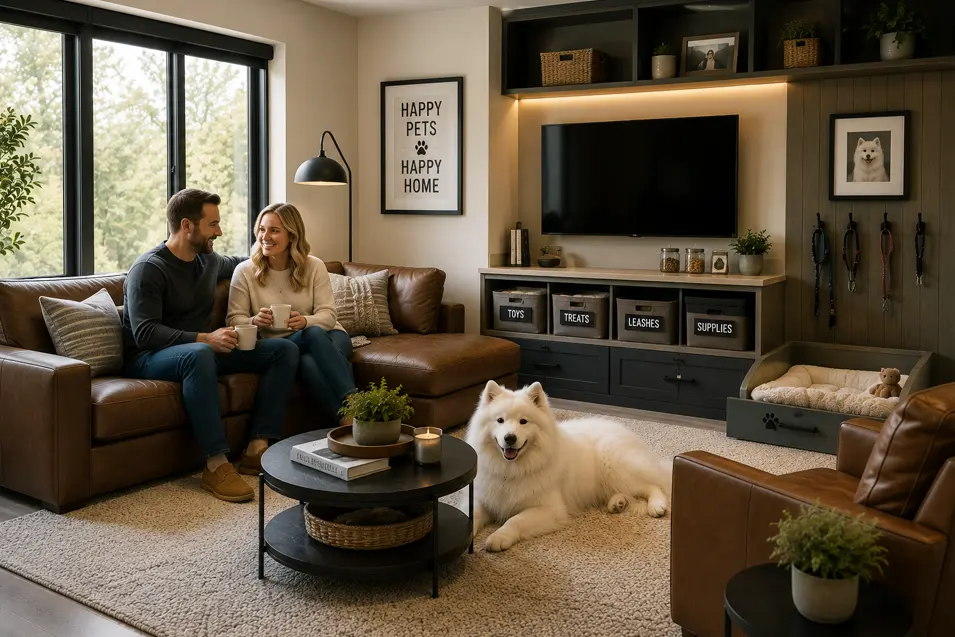
For many pet owners, cats and dogs are more than companions—they’re beloved members of the family. As a result, it’s no surprise that dedicated pet rooms have become one of the fastest-growing trends in pet-friendly home design. Whether you have a spare bedroom, a finished basement, a section of a mudroom, or simply an unused corner of your home, creating a dedicated space for your pets can improve organization, comfort, and daily routines for everyone.
The ultimate pet room isn’t necessarily about luxury. It’s about creating a functional, safe, and comfortable environment that supports your pet’s physical and emotional well-being. A thoughtfully designed space can provide opportunities for rest, play, feeding, grooming, and enrichment while helping keep the rest of your home cleaner and more organized.
Whether you’re designing a room for a single pet or an entire furry family, here are the key elements to consider when creating the ultimate pet room.
Why Create a Dedicated Pet Room?
Pets thrive when they have a space they can call their own.
A dedicated pet room can provide:
- A safe retreat
- A consistent daily environment
- Organized storage for supplies
- Designated feeding areas
- Space for play and enrichment
- Easier cleaning and maintenance
For multi-pet households, a pet room can also help reduce competition over resources while creating a calm environment for rest and relaxation.
Start with Pet-Friendly Flooring
Flooring serves as the foundation of any successful pet room.
The ideal flooring should be:
- Easy to clean
- Moisture resistant
- Scratch resistant
- Comfortable underfoot
- Durable enough for daily activity
Popular flooring choices include:
- Luxury vinyl plank flooring
- Porcelain tile
- Ceramic tile
- Rubber flooring
- Sealed concrete
Many pet owners choose luxury vinyl plank because it combines durability, comfort, and water resistance while offering the appearance of hardwood flooring.
Adding washable rugs can increase comfort and improve traction.
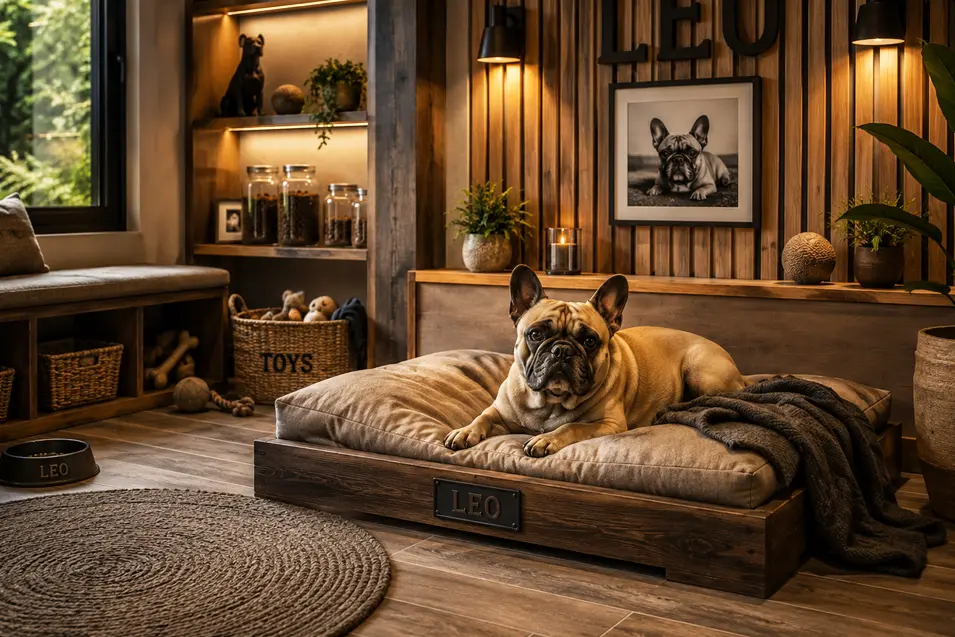
Create Comfortable Sleeping Areas
Every pet room should include comfortable spaces where pets can rest undisturbed.
Consider adding:
- Orthopedic beds
- Bolster beds
- Elevated pet beds
- Soft blankets
- Cozy hiding areas
For homes with multiple pets, provide enough sleeping options to prevent competition and allow each animal to choose a preferred resting location.
Cats may appreciate elevated sleeping spots, while many dogs prefer beds positioned along walls or in quiet corners.
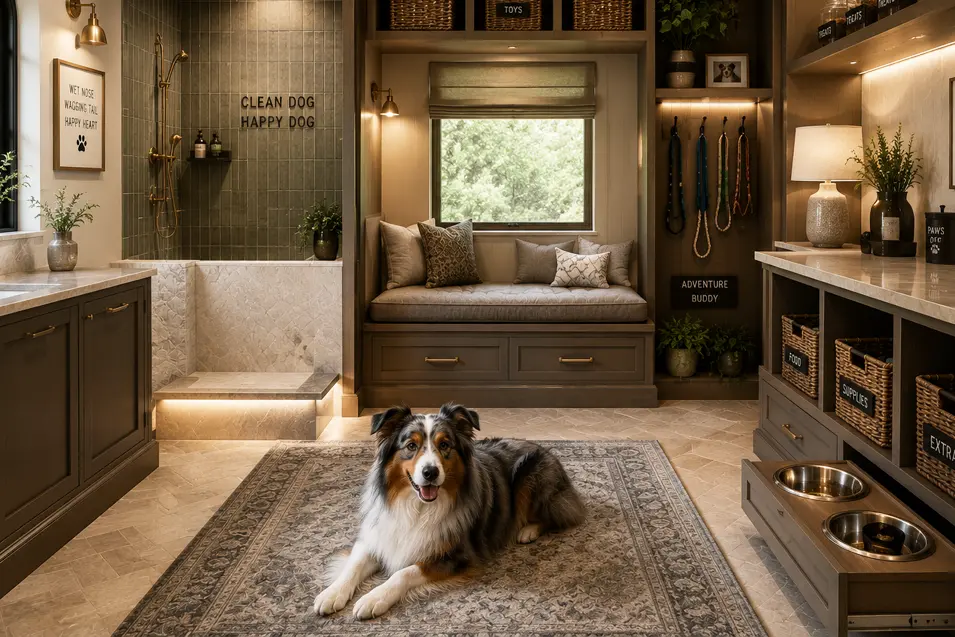
Design a Functional Feeding Station
Feeding stations help create routine and reduce clutter.
A dedicated feeding area may include:
- Food bowls
- Water bowls
- Waterproof mats
- Elevated feeders
- Nearby food storage
Built-in feeding stations can provide:
- Better organization
- Easier cleaning
- Consistent mealtime routines
- Improved appearance
For homes with multiple pets, separate feeding areas may reduce stress and resource guarding.
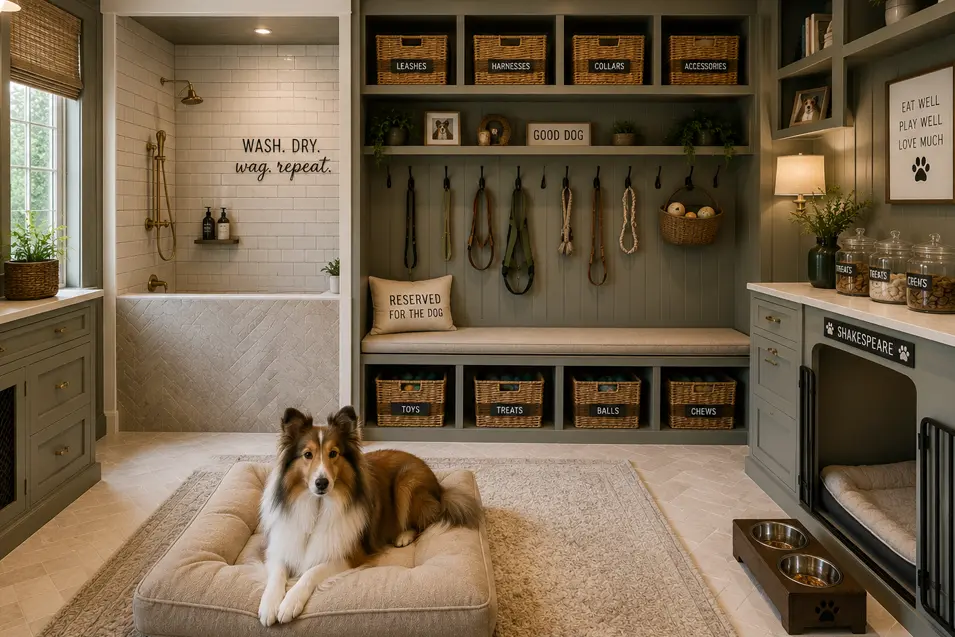
Add Smart Storage Solutions
Pet ownership often comes with a surprising amount of equipment.
The ultimate pet room should include storage for:
- Food
- Treats
- Toys
- Leashes
- Harnesses
- Grooming supplies
- Medications
- Seasonal gear
Useful storage solutions include:
- Built-in cabinets
- Open shelving
- Decorative baskets
- Storage benches
- Wall hooks
Organized storage helps maintain a cleaner, more functional environment.
Incorporate Enrichment Activities
A great pet room should provide opportunities for both physical activity and mental stimulation.
Enrichment ideas for dogs include:
- Puzzle toys
- Treat-dispensing toys
- Snuffle mats
- Chew stations
- Training games
Enrichment ideas for cats include:
- Cat trees
- Window perches
- Climbing shelves
- Interactive toys
- Scratching posts
Rotating toys regularly helps maintain interest and prevent boredom.
Create Vertical Space for Cats
If cats will use the room, vertical space is essential.
Cats naturally enjoy climbing, observing their surroundings, and resting in elevated locations.
Popular cat-friendly additions include:
- Wall-mounted shelves
- Cat trees
- Window hammocks
- Climbing systems
- Elevated sleeping platforms
Vertical spaces help maximize the room while supporting natural feline behaviors.
Include a Grooming Area
Routine grooming becomes much easier when supplies are stored in one location.
A grooming station might include:
- Brushes
- Combs
- Nail clippers
- Towels
- Pet-safe wipes
- Grooming sprays
If space allows, some pet owners incorporate a small washing station for bathing and paw cleaning.
Having grooming tools nearby encourages regular maintenance and helps keep pets healthy.
Make Safety a Priority
No pet room is complete without proper safety measures.
Common hazards to address include:
- Electrical cords
- Cleaning chemicals
- Medications
- Toxic plants
- Small choking hazards
- Sharp objects
Inspect the room regularly and address any potential risks promptly.
A safe environment allows pets to enjoy the space without constant supervision.
Ensure Good Ventilation and Lighting
Proper airflow contributes significantly to comfort.
Benefits of good ventilation include:
- Reduced odors
- Improved air quality
- Better humidity control
- Greater comfort
Natural lighting can also enhance the room.
Pets often enjoy sunny resting spots, and natural light creates a more welcoming atmosphere for both animals and humans.
Provide Easy Access to Water
Fresh water should always be available.
Consider:
- Spill-resistant bowls
- Pet fountains
- Elevated water stations
- Waterproof floor mats
Proper hydration supports overall health and helps pets remain comfortable throughout the day.
For larger rooms, multiple water stations may be beneficial.
Design a Cleaning Station
Pets inevitably bring dirt, mud, and debris into the home.
A cleaning area can simplify maintenance.
Useful features include:
- Towels
- Paw-cleaning supplies
- Storage for cleaning products
- Waste disposal containers
- Washable floor mats
Some homeowners incorporate full dog wash stations, while others simply create a dedicated cleanup corner.
Add Personalized Touches
The ultimate pet room should reflect the personalities of the animals who use it.
Fun additions may include:
- Personalized name signs
- Framed pet photos
- Custom bedding
- Decorative storage containers
- Breed-themed artwork
These details can help the room feel like a natural extension of the home rather than a purely functional space.
Design for Future Needs
Pets’ needs change over time.
When planning the room, consider:
- Aging pets
- Additional pets in the future
- Storage growth
- Evolving activity levels
Flexible furniture and adaptable layouts can help the room remain functional for years to come.
Planning ahead often reduces future renovation costs.
Creating a Space Pets and Owners Will Love
The ultimate pet room combines comfort, safety, organization, and enrichment in a way that benefits both pets and their owners. Whether you’re working with an entire room or simply creating a dedicated pet zone within your home, thoughtful design can improve daily routines while supporting your pets’ physical and emotional well-being.
By incorporating durable flooring, comfortable bedding, feeding stations, enrichment opportunities, smart storage, and safety features, you can create a space that truly feels like a home within a home. The result is a welcoming environment where your pets can rest, play, and thrive while making pet ownership easier and more enjoyable for the entire family.