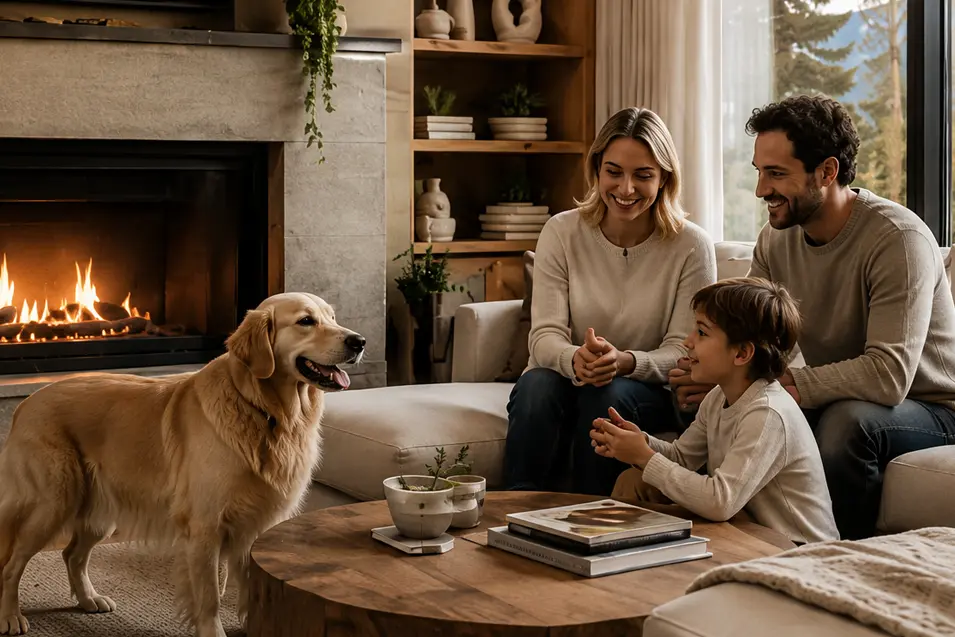

The living room is one of the most popular spaces in any home. It’s where families gather to relax, watch television, entertain guests, and spend quality time together. Not surprisingly, it’s also one of the rooms where pets spend much of their day.
While most pet owners recognize obvious hazards such as toxic plants or small choking hazards, electrical dangers often go unnoticed. Modern living rooms contain numerous electronic devices, power sources, and cords that can pose serious risks to curious cats and dogs.
Puppies, kittens, and even adult pets may investigate electrical components through chewing, pawing, climbing, or simply exploring. Unfortunately, these interactions can lead to injuries ranging from minor burns to severe electric shock.
Understanding the hidden electrical dangers in your living room is an important step toward creating a safer environment for your furry family members.
Why Electrical Hazards Are Often Overlooked
Unlike household chemicals or sharp objects, electrical hazards are often hidden in plain sight.
Many pet owners become so accustomed to seeing cords and electronics that they no longer recognize them as potential dangers.
Common living room electrical items include:
- Television systems
- Charging stations
- Lamps
- Gaming consoles
- Smart speakers
- Extension cords
- Power strips
- Decorative lighting
For curious pets, each of these can become an attractive object for investigation.
Exposed Electrical Cords
One of the most common electrical hazards in living rooms is exposed wiring.
Pets may chew cords for several reasons:
- Teething
- Curiosity
- Boredom
- Anxiety
- Attraction to movement
Chewing electrical cords can result in:
- Severe mouth burns
- Electric shock
- Internal injuries
- Fires
- Fatal electrocution
To reduce risk:
- Use cord covers.
- Hide cords behind furniture.
- Secure loose wiring.
- Unplug unused devices.
Regular inspections can help identify damaged cords before they become dangerous.
Power Strips and Surge Protectors
Power strips are commonly used to accommodate multiple electronic devices.
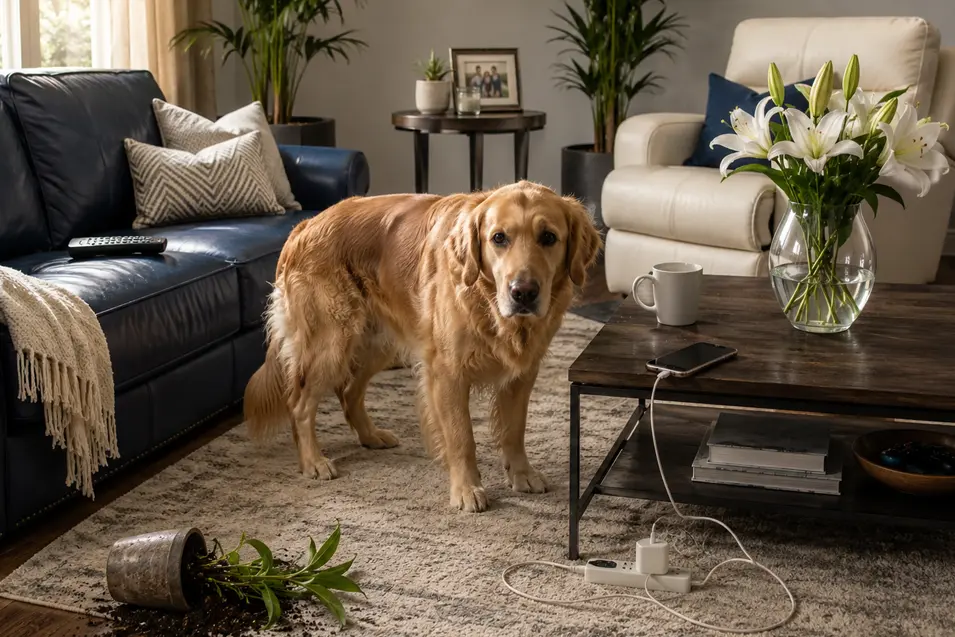
Unfortunately, they are often placed directly on the floor where pets can access them easily.
Potential dangers include:
- Chewing plugged-in cords
- Contact with exposed outlets
- Pulling devices off furniture
- Damage from spilled water bowls
Whenever possible:
- Position power strips behind furniture.
- Mount them off the floor.
- Use protective outlet covers.
- Keep cords organized and secure.
These simple steps significantly reduce the risk of accidents.
Charging Cables and Mobile Devices
Modern households often have multiple charging cables throughout the living room.
Phone chargers, tablet cords, laptop chargers, and smart device cables are especially appealing to pets because they are thin, flexible, and easy to reach.
Common risks include:
- Electrical shock
- Choking hazards
- Intestinal blockages if pieces are swallowed
- Damage to expensive electronics
Store charging cables when not in use and avoid leaving devices plugged in unattended.
Wireless charging stations can also reduce cable clutter.
Floor Lamps and Table Lamps
Lamps can create several electrical concerns for pets.
Cats may climb lamp bases or attempt to play with dangling cords, while dogs may accidentally knock over floor lamps during play.
Potential hazards include:
- Exposed wiring
- Broken bulbs
- Electrical shock
- Fire risks
- Falling objects
Choose stable lamp designs and secure cords whenever possible.
Inspect lamp wiring regularly for signs of wear.
Entertainment Centers and Television Systems
Entertainment centers often contain multiple electrical devices concentrated in one location.
Common components include:
- Televisions
- Sound systems
- Streaming devices
- Gaming consoles
- Routers
- Smart home equipment
The large number of cords can create a particularly hazardous environment.
Improve safety by:
- Using cable management systems
- Securing loose cords
- Installing cord covers
- Preventing pets from accessing rear equipment areas
Organized cables are safer and easier to maintain.
Extension Cord Misuse
Extension cords are useful but can create significant risks when used improperly.
Common mistakes include:
- Running cords under rugs
- Leaving cords exposed
- Overloading outlets
- Using damaged cords
Pets may chew extension cords or become tangled in them.
Whenever possible, use permanent outlets rather than relying heavily on extension cords.
Replace damaged cords immediately.
Decorative Lighting Hazards
String lights and decorative lighting have become increasingly popular in living room décor.
While attractive, these lights can pose risks to pets.
Dangers include:
- Chewing wires
- Entanglement
- Burns from bulbs
- Swallowing small components
Cats are especially attracted to hanging lights that move or dangle.
Secure decorative lighting carefully and monitor pets around seasonal decorations.
Unprotected Electrical Outlets
Electrical outlets can be tempting for curious pets, particularly puppies and kittens.
Although direct contact is less common than cord-related injuries, exposed outlets still present risks.
Protective measures include:
- Outlet covers
- Childproof outlet protectors
- Furniture placement that blocks access
- Regular outlet inspections
These inexpensive devices provide an additional layer of protection.
Water and Electronics
Many pet owners place water bowls in living rooms to provide convenient access throughout the day.
Problems can arise when water stations are positioned too close to electronics.
Risks include:
- Water spills onto power strips
- Damage to devices
- Electrical shorts
- Fire hazards
Place water bowls away from:
- Entertainment centers
- Charging stations
- Power strips
- Floor outlets
Spill-resistant bowls can further reduce risk.
Hidden Dangers Behind Furniture
Many homeowners assume that electrical hazards are safe if they are hidden behind furniture.
However, pets frequently access these areas.
Cats may climb behind entertainment centers, while dogs often investigate spaces behind couches and chairs.
Common hidden hazards include:
- Loose cords
- Dust-covered outlets
- Damaged wiring
- Unused electronics
Regular inspections of these hidden areas can help identify problems before they become dangerous.
Electrical Hazards During Holidays
Holiday decorations can dramatically increase electrical risks in living rooms.
Common seasonal concerns include:
- Christmas tree lights
- Extension cords
- Decorative displays
- Plug-in decorations
Pets often show heightened curiosity toward unfamiliar objects.
Extra vigilance during holidays can help prevent accidents.
Signs of Electrical Damage
Recognizing warning signs can help prevent injuries and fires.
Watch for:
- Frayed cords
- Exposed wires
- Burn marks
- Flickering lights
- Unusual odors
- Warm outlets
Address electrical issues promptly and consult a qualified electrician when necessary.
Ignoring minor damage can allow hazards to worsen over time.
Creating a Safer Living Room
Reducing electrical risks doesn’t require a complete redesign of your living room.
Simple improvements can make a significant difference.
A living room electrical safety checklist:
- Cover exposed cords.
- Secure power strips.
- Protect outlets.
- Store charging cables properly.
- Keep water away from electronics.
- Inspect cords regularly.
- Replace damaged equipment immediately.
- Manage cable clutter.
These habits help create a safer environment for pets and people alike.
Protecting Curious Pets from Hidden Risks
Electrical hazards are among the most overlooked dangers in pet-friendly homes. Because living rooms contain so many electronic devices, cords, and power sources, they require careful attention from pet owners.
By identifying hidden risks and taking preventative measures, you can greatly reduce the chances of electrical injuries while maintaining a comfortable and functional living space. A few simple adjustments today can help protect your pets from serious accidents tomorrow.
The safest living rooms are those that combine comfort, convenience, and thoughtful planning—ensuring that every member of the household, including the four-legged ones, can enjoy the space safely.