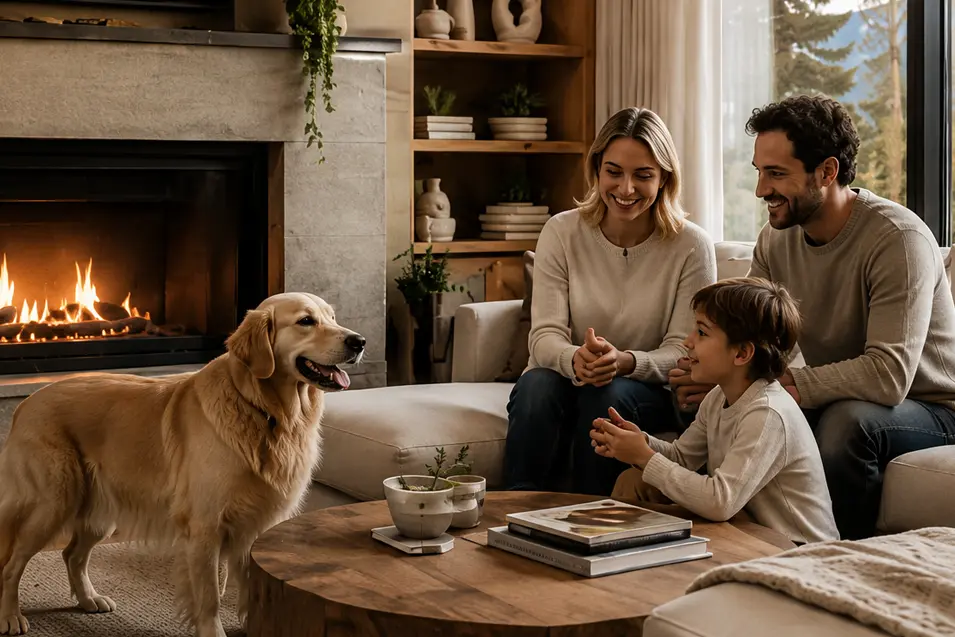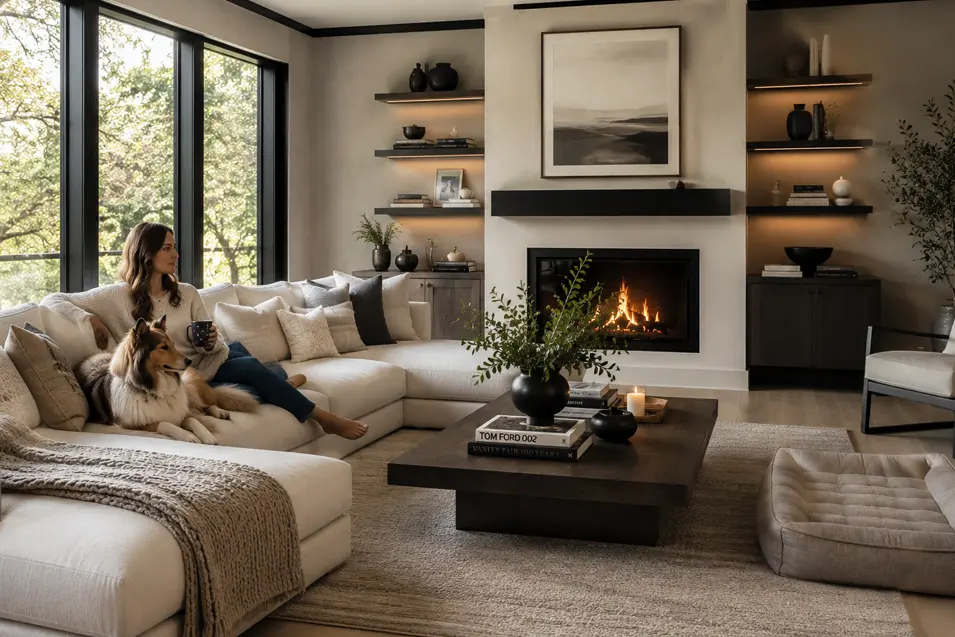
The living room is often the heart of the home. It’s where families gather, guests are entertained, and pets spend much of their time relaxing alongside their favorite humans. Because dogs and cats naturally gravitate toward the busiest and most comfortable areas of the house, the living room often becomes one of the most heavily used pet spaces as well.
However, many pet owners unintentionally make design, organization, and safety mistakes that can lead to damaged furniture, unnecessary messes, stress for pets, or even safety hazards. While most of these issues are easy to correct, recognizing them is the first step toward creating a more pet-friendly environment.
Whether you’re designing a new living room or improving your current setup, avoiding these common mistakes can help create a space that works better for everyone in the household.
Choosing Furniture Without Considering Pets
One of the most common mistakes pet owners make is selecting furniture based solely on appearance.
While certain fabrics and materials may look beautiful in a showroom, they may not perform well in a home with pets.
Problematic furniture materials often include:
- Delicate fabrics
- Loose weaves
- Silk upholstery
- Light-colored materials that show fur easily
- Easily scratched surfaces
Instead, consider pet-friendly options such as:
- Performance fabrics
- Microfiber
- Leather
- Tightly woven upholstery
Durable furniture often remains attractive much longer in pet-friendly homes.
Ignoring Pet Hair Management
Pet hair is a fact of life for many dog and cat owners.
One of the biggest mistakes is failing to account for shedding when designing the living room.
Common issues include:
- Dark furniture with light-colored pets
- Light furniture with dark-colored pets
- Difficult-to-clean textiles
- Excess decorative pillows that collect fur
Simple choices such as washable throw blankets, easy-to-clean upholstery, and strategic grooming routines can make hair management far easier.
A little planning can dramatically reduce daily cleaning requirements.
Skipping Washable Covers and Fabrics
Many pet owners regret purchasing furniture that cannot be cleaned easily.
Pets occasionally bring dirt, moisture, odors, and accidents into the living room.
Washable options may include:
- Slipcovers
- Throw blankets
- Cushion covers
- Area rugs
- Decorative pillow covers
Choosing washable materials allows for quick cleanup while helping furniture maintain its appearance over time.
Not Providing a Dedicated Pet Space
Another common mistake is expecting pets to stay off furniture without offering comfortable alternatives.
Dogs and cats naturally seek soft, comfortable places to rest.
Consider providing:
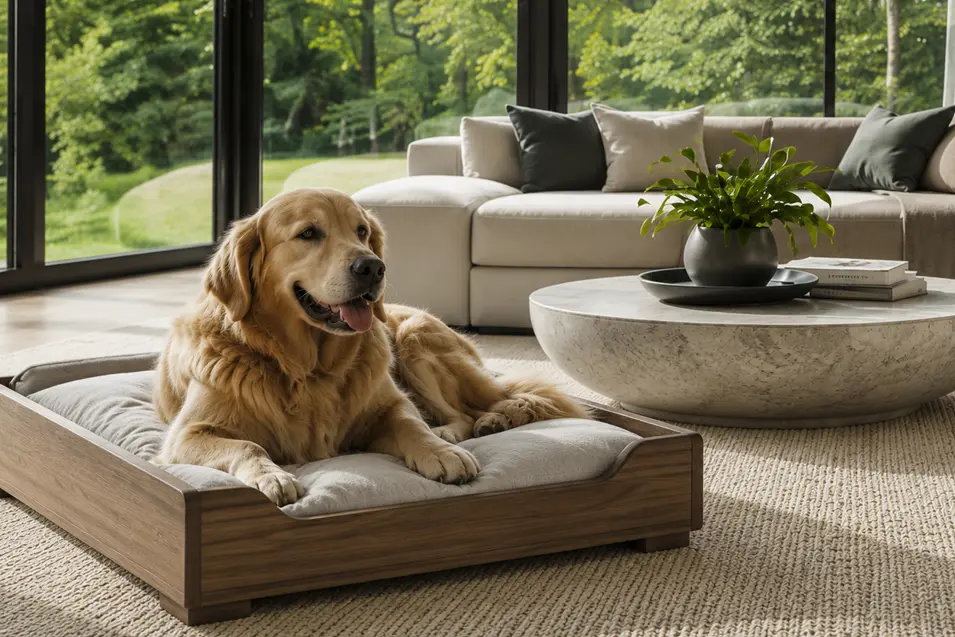
- A quality pet bed
- A cat perch
- A cozy corner retreat
- A designated blanket
- A window seat for cats
When pets have their own inviting spaces, they are often more willing to use them.
Overlooking Flooring Durability
Living room flooring experiences constant traffic from both people and pets.
Some flooring materials simply don’t hold up well under daily pet use.
Common flooring challenges include:
- Scratches from nails
- Stains from accidents
- Water damage
- Slippery surfaces
Pet-friendly flooring options often include:
- Luxury vinyl plank
- Tile
- Engineered hardwood
- Durable area rugs
- Sealed concrete
Choosing durable flooring can save significant repair and replacement costs later.
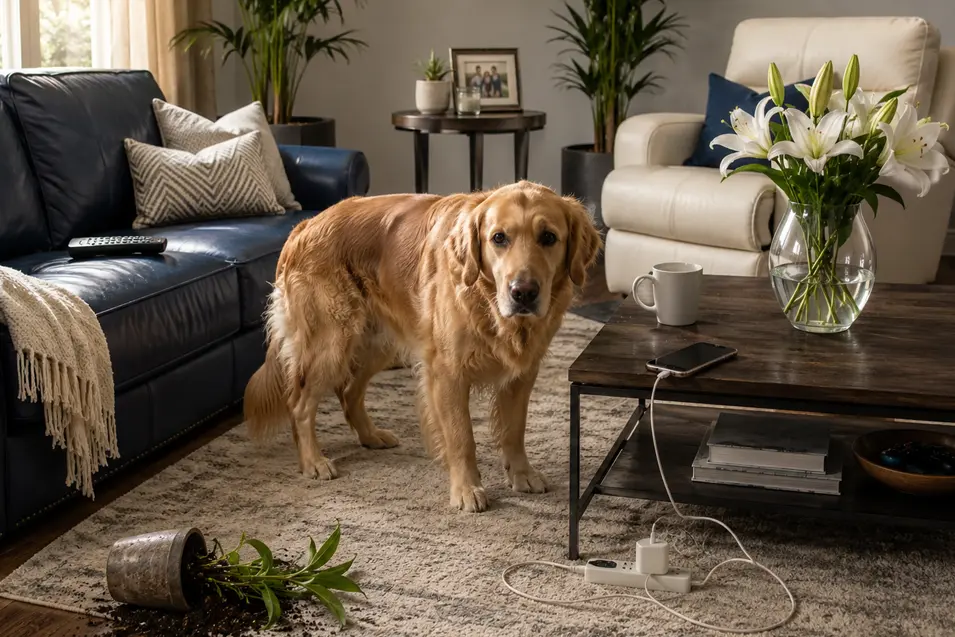
Creating Unsafe Clutter
Many living rooms contain decorative items that may be hazardous to pets.
Examples include:
- Small collectibles
- Candles
- Fragile decorations
- Loose cords
- Decorative stones
- Glass objects
Curious pets may knock over, chew, or swallow these items.
Keeping clutter to a minimum improves both safety and organization.
Leaving Electrical Cords Exposed
Living rooms often contain numerous electronics.
Common examples include:
- Television cords
- Charging cables
- Gaming systems
- Speakers
- Lamps
Pets, especially puppies and kittens, may chew exposed cords.
To reduce risk:
- Use cord covers
- Secure wires behind furniture
- Unplug unused devices
- Use cable management systems
Protecting cords helps prevent injuries and expensive repairs.
Choosing the Wrong Area Rugs
Area rugs can make a living room feel warm and inviting, but some rugs are more pet-friendly than others.
Common rug mistakes include:
- High-pile rugs that trap fur
- Delicate fibers
- Difficult-to-clean materials
- Rugs without stain protection
Look for rugs that are:
- Durable
- Easy to clean
- Stain resistant
- Washable when possible
A pet-friendly rug can improve comfort without creating additional maintenance challenges.
Ignoring Pet Traffic Patterns
Pets often follow the same routes through the living room every day.
Many homeowners overlook these natural pathways when arranging furniture.
This can result in:
- Worn flooring
- Congested walkways
- Knocked-over decorations
- Frustrated pets
Observe how your pets move through the room and arrange furniture accordingly.
Allowing clear pathways can improve both safety and functionality.
Not Protecting Furniture from Scratching
Cats and some dogs may scratch furniture if appropriate alternatives are unavailable.
Unfortunately, many pet owners address scratching only after damage occurs.
Preventative measures include:
- Scratching posts
- Cat trees
- Furniture protectors
- Regular nail trimming
Providing acceptable outlets for natural behaviors is usually more effective than trying to eliminate those behaviors entirely.
Forgetting About Window Safety
Windows are often a favorite feature for pets, especially cats.
However, living room windows can create risks if not properly secured.
Potential concerns include:
- Damaged screens
- Tangled blind cords
- Unsafe window ledges
- Direct sunlight causing overheating
Regularly inspect windows and secure cords to improve safety.
Providing a safe viewing area can also enrich your pet’s environment.
Failing to Store Pet Supplies Properly
Leashes, toys, treats, grooming supplies, and other pet accessories can quickly create clutter.
Without dedicated storage, the living room may become disorganized.
Helpful storage solutions include:
- Decorative baskets
- Storage ottomans
- Built-in cabinets
- Shelving units
Organized storage helps maintain a cleaner and more attractive living space.
Neglecting Mental Stimulation
A living room should support more than just physical comfort.
Bored pets often develop unwanted behaviors such as:
- Excessive barking
- Scratching
- Chewing
- Restlessness
Consider adding:
- Puzzle toys
- Interactive feeders
- Cat climbing structures
- Rotating toy selections
Mental enrichment helps keep pets happy and engaged.
Prioritizing Style Over Function
One of the most common mistakes pet owners make is focusing exclusively on appearance.
A beautiful living room that constantly creates stress, cleaning challenges, or safety concerns is unlikely to remain enjoyable for long.
The most successful pet-friendly living rooms balance:
- Comfort
- Safety
- Durability
- Organization
- Style
Fortunately, modern furniture and design options make it easier than ever to achieve all five.
Creating a Living Room Everyone Can Enjoy
A pet-friendly living room doesn’t require sacrificing style or comfort. By avoiding common mistakes such as choosing delicate furniture, ignoring storage needs, overlooking safety hazards, and failing to provide dedicated pet spaces, you can create a room that works beautifully for both people and pets.
Thoughtful planning helps reduce maintenance, prevent damage, and support your pet’s well-being. Whether you share your living room with an energetic puppy, a senior dog, an adventurous cat, or multiple pets, making smart design choices today can lead to a cleaner, safer, and more enjoyable space for years to come.
After all, the best living rooms are designed not just for the people who live there—but for every member of the family, including the four-legged ones.