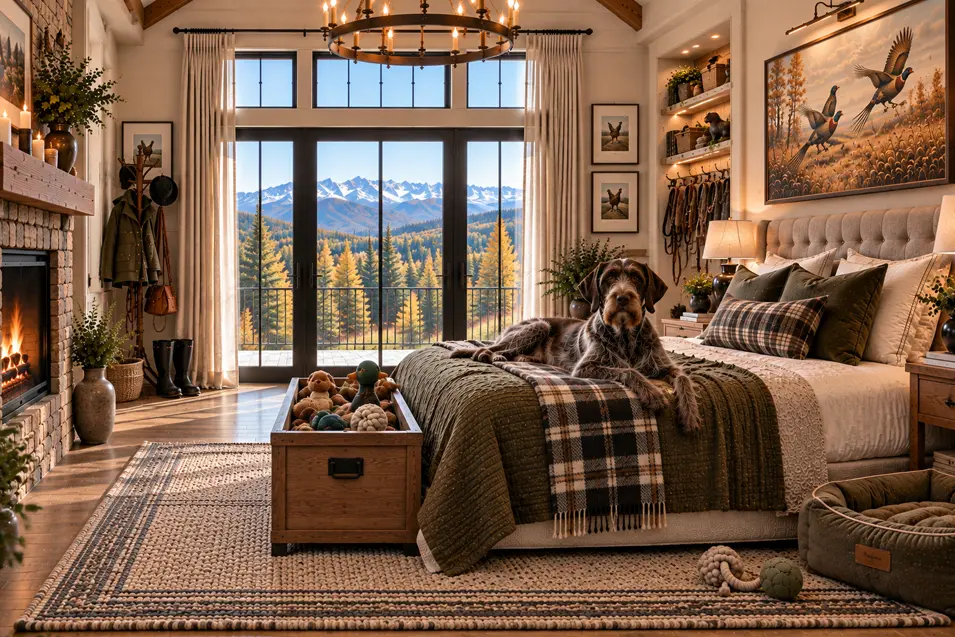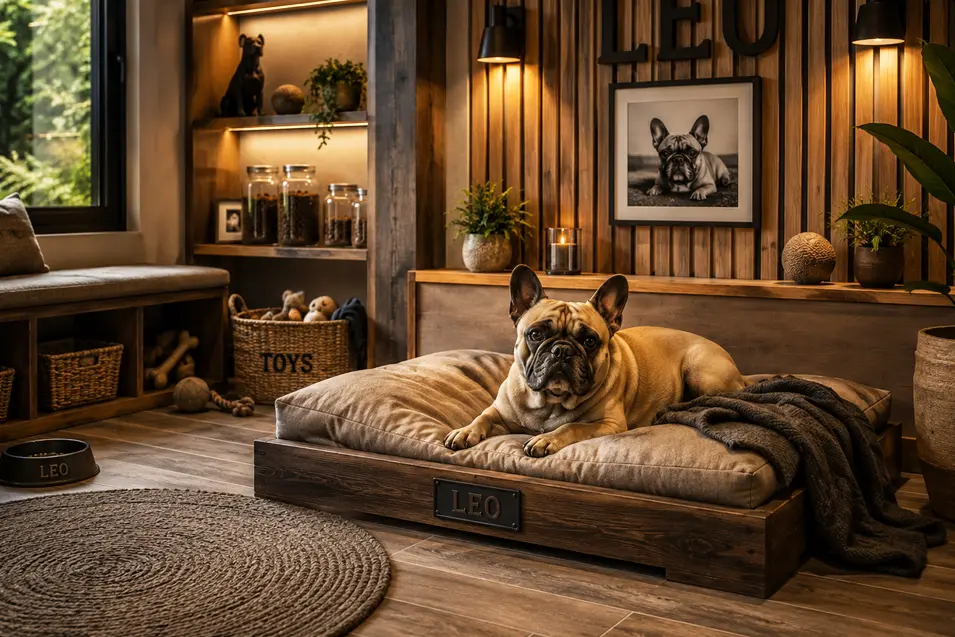
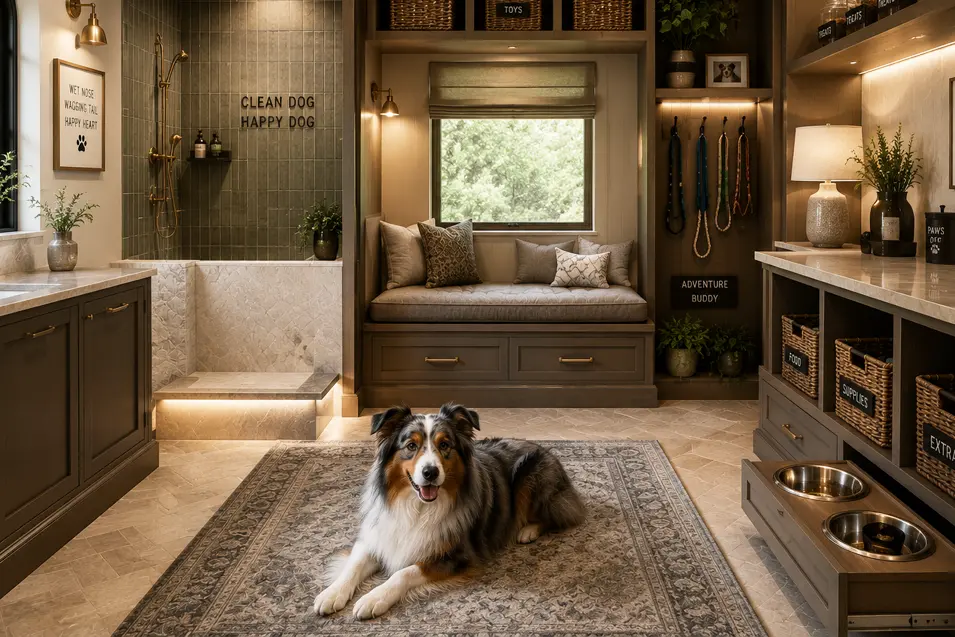
Creating a dedicated dog room is one of the best ways to provide your canine companion with a comfortable, organized, and safe environment. Whether you have an entire room devoted to your dog or a designated area within your home, thoughtful design can improve your pet’s quality of life while helping you maintain a cleaner and more functional living space.
A well-designed dog room goes beyond simply placing a dog bed in an empty corner. The best spaces support your dog’s physical comfort, mental stimulation, daily routines, and overall well-being. By incorporating a few essential features, you can create a room that meets both your dog’s needsand your own practical requirements as a pet owner.
Here are the key elements every dog room should include.
A Comfortable Sleeping Area
Every dog needs a place to rest and recharge.
The sleeping area is often the most important feature in a dog room because dogs spend a significant portion of their day sleeping or relaxing.
Consider including:
- An appropriately sized dog bed
- Orthopedic bedding for senior dogs
- Washable bed covers
- Soft blankets
- Elevated beds for warmer climates
Place the bed in a quiet section of the room away from excessive foot traffic and direct drafts.
Many dogs prefer sleeping areas that offer a sense of security while still allowing them to observe their surroundings.
Durable, Pet-Friendly Flooring
Dogs can be tough on flooring, especially when tracking in dirt, water, and debris from outdoor activities.
The best dog room flooring should be:
- Easy to clean
- Scratch-resistant
- Moisture-resistant
- Comfortable underfoot
- Slip-resistant
Popular options include:
- Luxury vinyl plank flooring
- Ceramic tile
- Porcelain tile
- Sealed concrete
- Rubber flooring
Adding washable rugs can increase comfort while improving traction for older dogs.
A Dedicated Feeding Station
A designated feeding area helps create routine and prevents food and water bowls from being scattered throughout the house.
A good feeding station may include:
- Food bowls
- Water bowls
- Waterproof mats
- Elevated feeders
- Nearby food storage
Keeping feeding supplies in one location simplifies cleanup and creates consistency for your dog.
For multi-dog households, clearly defined feeding spaces can help reduce competition during mealtimes.
Organized Storage Solutions
Dog ownership comes with a surprising amount of equipment.
Without proper storage, toys, leashes, grooming supplies, and food can quickly create clutter.
Essential storage items include:
- Cabinets
- Shelving
- Storage baskets
- Toy bins
- Treat containers
- Wall hooks
A well-organized room makes daily routines easier while helping maintain a cleaner appearance.
Storage should be easily accessible while keeping potentially dangerous items safely out of reach.
Toy and Enrichment Areas
Mental stimulation is just as important as physical exercise.
Providing a variety of enrichment opportunities can help prevent boredom and encourage healthy behavior.
Consider including:
- Puzzle toys
- Treat-dispensing toys
- Snuffle mats
- Interactive games
- Chew toys
Rotating toys periodically can help maintain your dog’s interest and prevent overstimulation from too many options at once.
A dedicated toy area also helps keep the room organized.
Easy Access to Fresh Water
Hydration is essential for your dog’s health.
A dog room should always provide easy access to clean, fresh water.
Helpful additions include:
- Spill-resistant water bowls
- Elevated water stations
- Water fountains
- Waterproof floor mats
Check water levels regularly and clean bowls frequently to maintain good hygiene.
For active dogs, larger water containers may be beneficial.
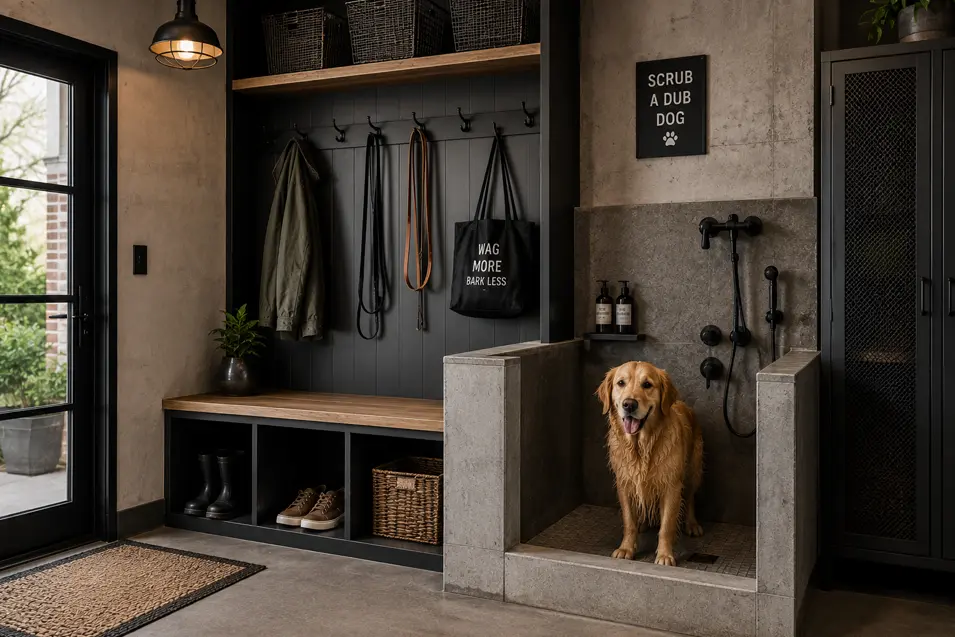
Grooming Supplies Within Reach
Routine grooming becomes much easier when supplies are stored nearby.
A small grooming station can help you stay on top of regular maintenance tasks.
Useful grooming items include:
- Brushes
- Combs
- Nail clippers
- Towels
- Pet-safe wipes
- Shampoo
Keeping these items organized encourages more consistent grooming habits and simplifies cleanup after outdoor adventures.
Safe and Secure Design
Safety should always be a top priority when designing a dog room.
The space should be free from common household hazards.
Dog-proof the room by securing:
- Electrical cords
- Cleaning products
- Medications
- Small objects
- Sharp tools
Inspect the room regularly and address any potential risks before they become problems.
A safe room allows your dog to relax and explore with confidence.
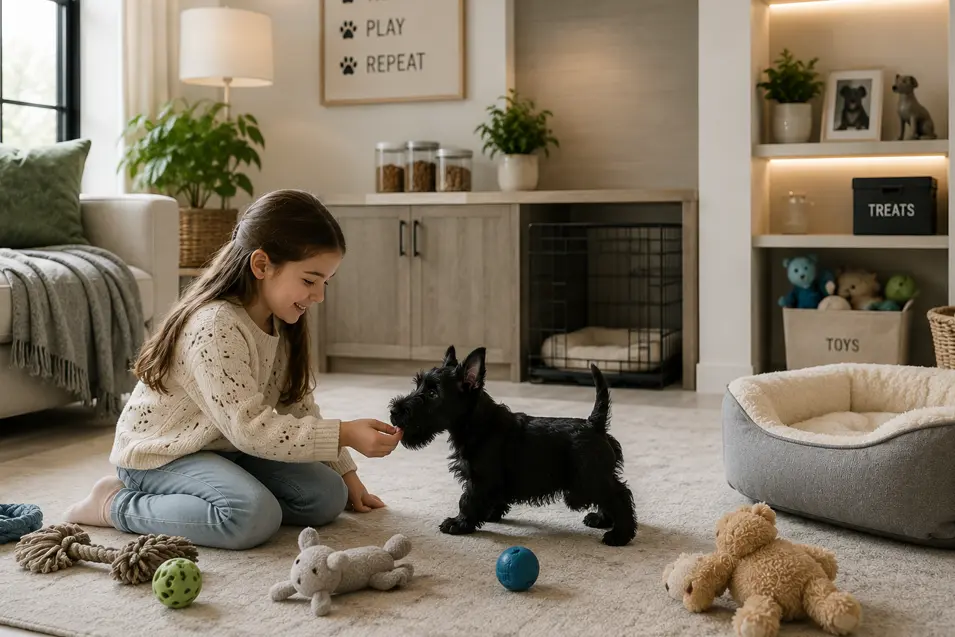
A Crate or Quiet Retreat Area
Many dogs benefit from having a private retreat where they can rest undisturbed.
Even if your dog does not spend extended periods in a crate, having a designated quiet space can be valuable.
Options include:
- A traditional crate
- Built-in kennel furniture
- Covered beds
- Cozy room corners
Dogs naturally seek out secure areas when they want to rest, recover from stress, or simply enjoy some alone time.
Proper Lighting and Ventilation
The room should be comfortable throughout the day and night.
Good lighting can:
- Improve visibility
- Make grooming easier
- Create a welcoming atmosphere
Proper ventilation helps:
- Reduce odors
- Improve air quality
- Regulate temperature
- Control humidity
Rooms with windows often provide natural light and additional enrichment opportunities for dogs who enjoy observing the outdoors.
Space for Movement
While dogs enjoy resting, they also need room to move comfortably.
Avoid overcrowding the room with excessive furniture or decorations.
Provide enough space for your dog to:
- Stretch
- Turn around comfortably
- Play with toys
- Access food and water easily
Larger breeds may require significantly more open floor space than smaller dogs.
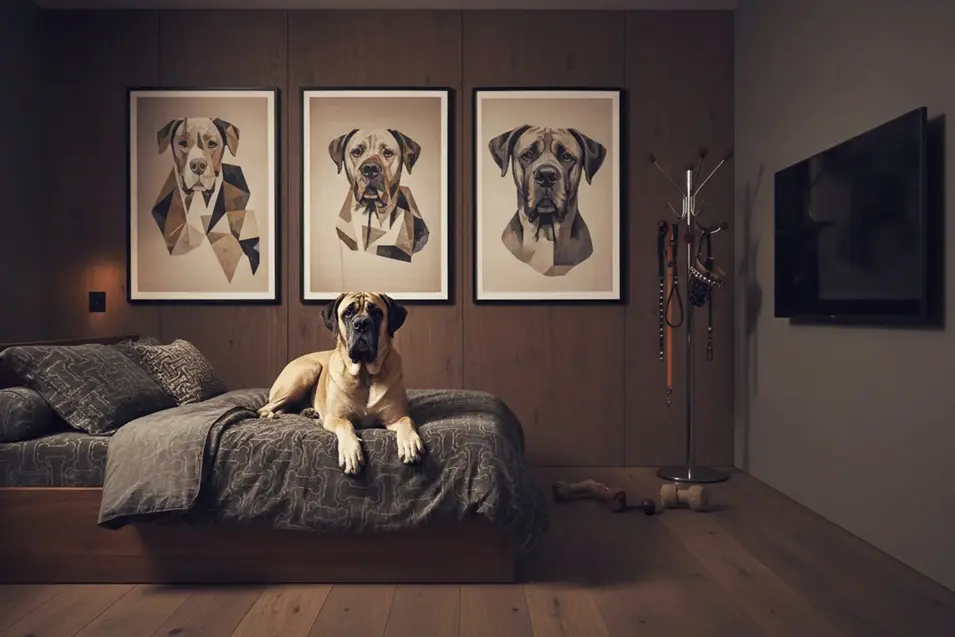
Personalized Features
Adding personal touches can make the room feel special while reflecting your dog’s personality.
Popular additions include:
- Custom name signs
- Framed photos
- Decorative storage containers
- Breed-themed artwork
- Personalized bedding
These elements can help blend the dog room seamlessly with the overall style of your home.
Cleaning and Maintenance Supplies
Dog rooms inevitably require regular cleaning.
Keeping supplies nearby makes maintenance more convenient.
Helpful items include:
- Pet-safe cleaners
- Vacuum attachments
- Lint rollers
- Odor-control products
- Extra towels
Easy access to cleaning supplies encourages prompt cleanup and helps maintain a healthy environment.
Designing a Room That Works for Both of You
The best dog rooms balance comfort, safety, organization, and practicality. While every dog has unique preferences, most canine companions benefit from comfortable bedding, organized storage, dedicated feeding areas, enrichment opportunities, and a secure place to rest.
You don’t need an elaborate setup or a large budget to create a successful dog room. Even a modest space can become a valuable retreat when designed thoughtfully around your dog’s needs.
By including these essential features, you can create a room that supports your dog’s physical and emotional well-being while making pet ownership easier and more enjoyable. A well-planned dog room becomes more than just a place for your pet—it becomes a comfortable home within your home.