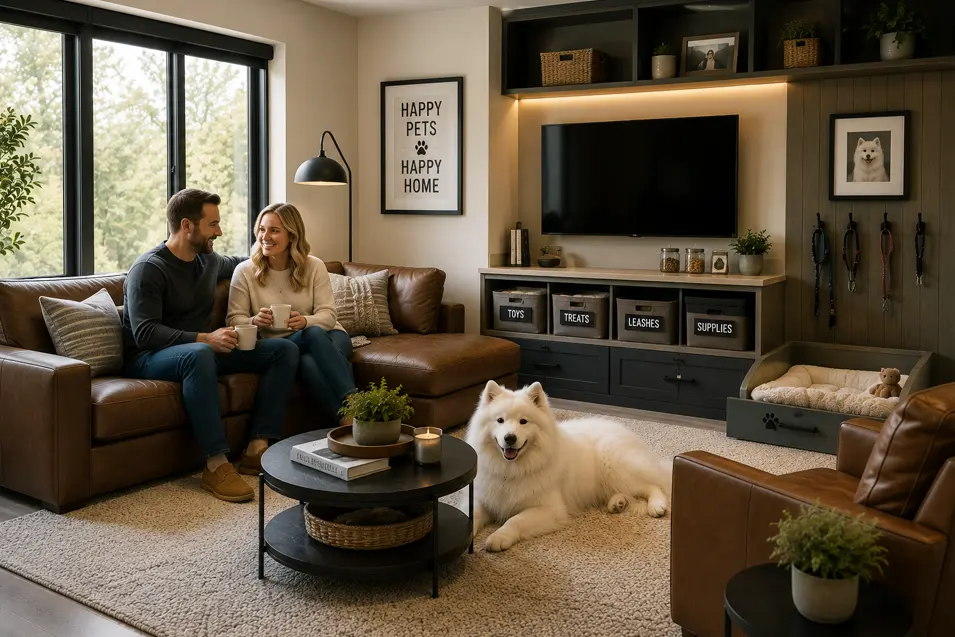
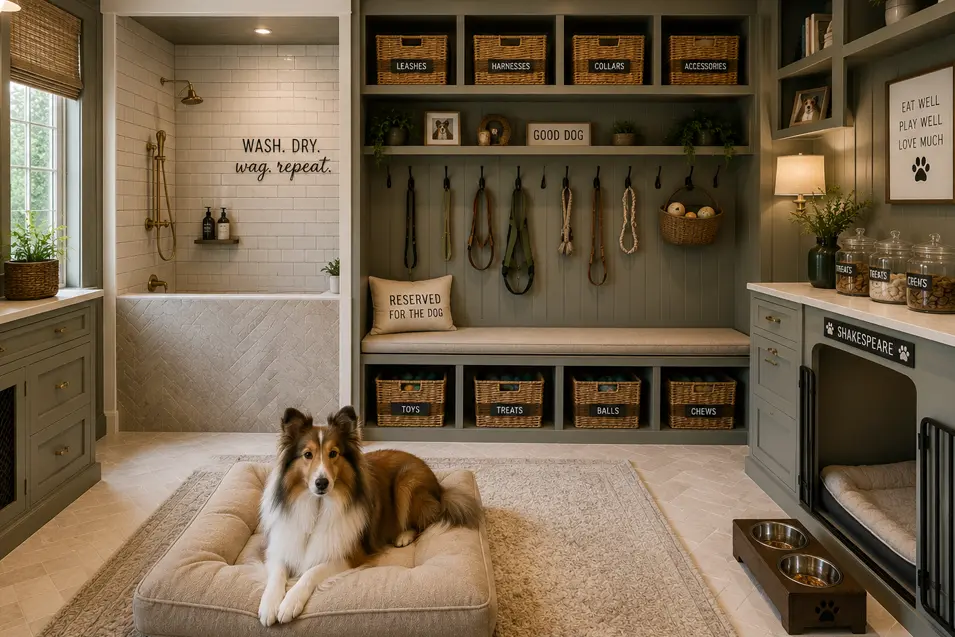
For many pet owners, dogs are more than just pets—they’re cherished family members. As a result, it’s no surprise that dedicated dog rooms have become increasingly popular. Whether you have a spare bedroom, a finished basement, a section of a mudroom, or a converted office, creating a space designed specifically for your dog can improve organization, comfort, and overall quality of life.
A thoughtfully designed dog room provides a safe place for your pet to rest, play, eat, and relax while helping keep the rest of your home cleaner and more organized. Best of all, a dog room can be customized to fit your available space, budget, and your dog’s unique needs.
From comfortable sleeping areas to smart storage solutions, here’s how to design the ultimate dog room for your furry companion.
Why Create a Dedicated Dog Room?
Dogs thrive when they have a predictable environment where they feel safe and comfortable.
A dedicated dog room can provide:
- A secure retreat during stressful situations
- A comfortable sleeping area
- Organized storage for pet supplies
- A designated feeding station
- A place for toys and enrichment activities
- Easier management of shedding and messes
For multi-pet households, a dog room can also help create structure and reduce competition over resources.
Start with Pet-Friendly Flooring
Flooring is one of the most important elements of any dog room.
The ideal flooring should be:
- Durable
- Easy to clean
- Moisture-resistant
- Scratch-resistant
- Comfortable underfoot
Popular flooring choices include:
- Luxury vinyl plank flooring
- Ceramic tile
- Porcelain tile
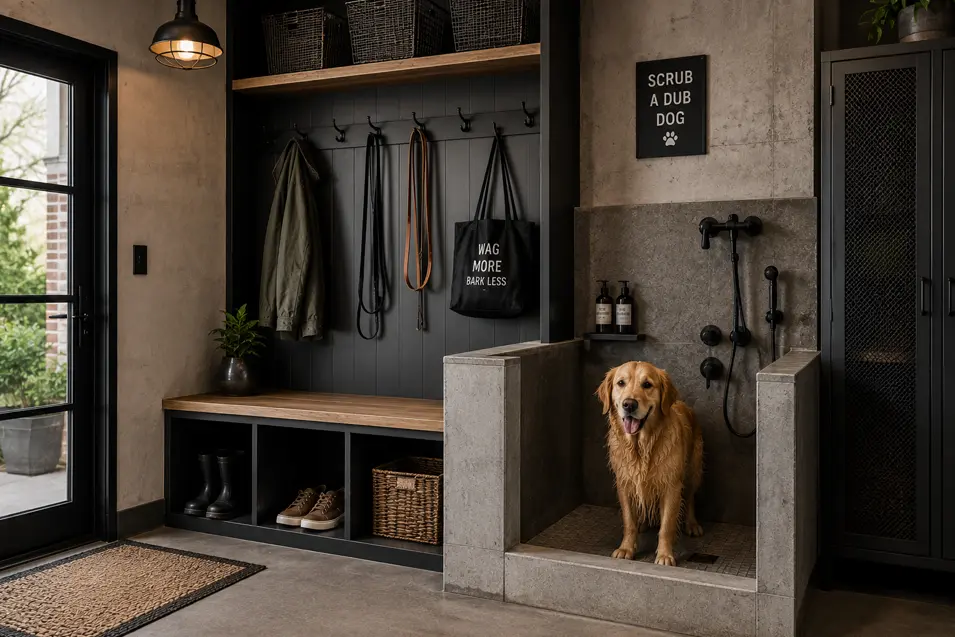
- Sealed concrete
- Rubber flooring
These materials can handle muddy paws, occasional accidents, and heavy daily use while remaining easy to maintain.
Area rugs with non-slip backing can add comfort while protecting joints and providing traction.
Create a Comfortable Sleeping Area
Every dog room should include a dedicated place to rest.
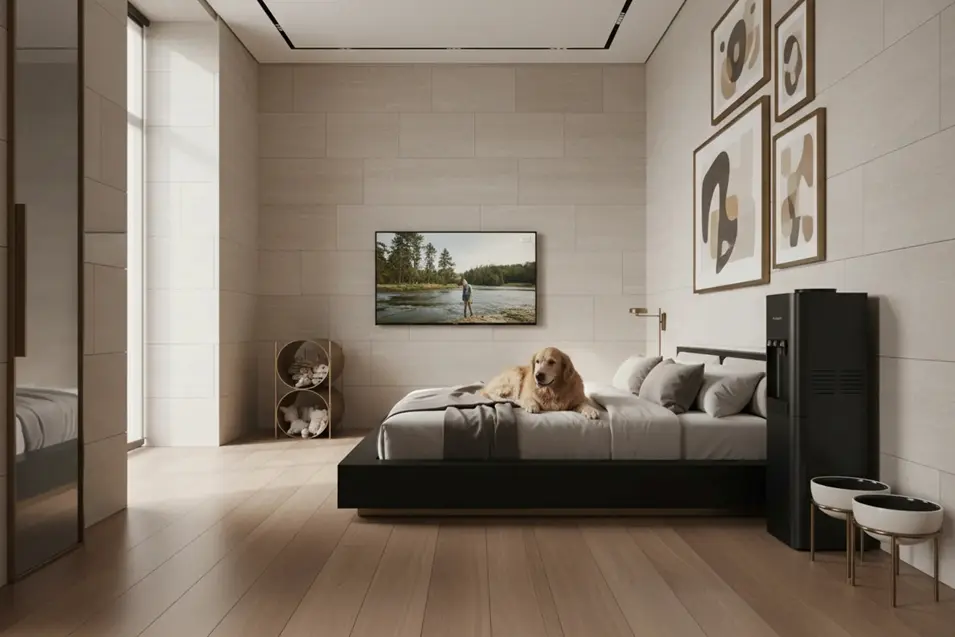
Choose a bed based on your dog’s size, age, and sleeping preferences.
Options include:
- Orthopedic beds
- Bolster beds
- Cooling beds
- Elevated beds
- Memory foam mattresses
Position the bed away from high-traffic areas and direct drafts to encourage restful sleep.
Many dogs appreciate having a quiet corner where they can retreat when they want privacy.
Design a Functional Feeding Station
Keeping food and water in a designated location helps establish routine and reduce clutter.
Consider including:
- Elevated food bowls
- Waterproof floor mats
- Food storage containers
- Treat storage bins
- Fresh water station
Elevated feeders may be beneficial for larger breeds, while sealed containers help maintain food freshness and prevent pests.
Easy-to-clean surfaces around the feeding area make daily maintenance much simpler.
Add Plenty of Storage
Dog ownership comes with a surprising amount of equipment.
A well-designed dog room should provide organized storage for:
- Food
- Treats
- Toys
- Leashes
- Harnesses
- Grooming supplies
- Medications
- Seasonal gear
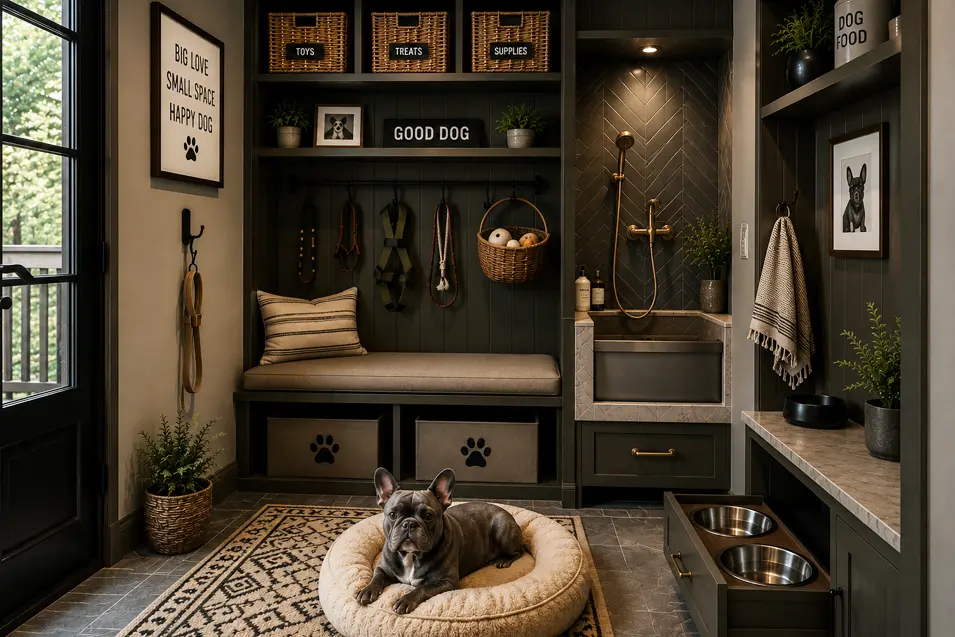
Storage solutions may include:
- Built-in cabinets
- Open shelving
- Storage benches
- Decorative baskets
- Wall-mounted organizers
Keeping supplies organized helps maintain a clean and functional space.
Incorporate Enrichment Activities
A dog room should offer more than just a place to sleep.
Mental stimulation plays an important role in canine health and happiness.
Enrichment ideas include:
- Puzzle toys
- Treat-dispensing toys
- Snuffle mats
- Chew stations
- Interactive games
Rotating toys periodically helps maintain interest and prevent boredom.
For dogs that spend time alone during the day, enrichment activities can provide valuable mental exercise.
Create a Grooming Area
Including a small grooming station can make routine care much more convenient.
A grooming area might feature:
- Brushes
- Nail clippers
- Towels
- Pet-safe wipes
- Storage for grooming products
If space allows, some owners even include a dog washing station for bathing and paw cleaning.
Having grooming supplies nearby encourages regular maintenance.
Consider Built-In Kennels or Crate Spaces
Many dogs view crates as safe, comfortable dens.
Rather than treating a crate as an afterthought, consider integrating it into the room’s design.
Benefits include:
- Improved aesthetics
- Better use of space
- Increased comfort for the dog
- Easier room organization
Built-in crate furniture can blend seamlessly with surrounding décor while providing a secure retreat.
Ensure Proper Ventilation and Temperature Control
Dogs are sensitive to temperature extremes.
The room should remain comfortable throughout the year.
Important considerations include:
- Adequate airflow
- Consistent temperatures
- Access to fresh air
- Humidity control
Basement dog rooms may benefit from dehumidifiers, while upper-level rooms may require additional cooling during warmer months.
A comfortable environment supports better rest and overall well-being.
Include Easy-to-Clean Surfaces
No matter how tidy your dog is, messes happen.
Selecting easy-to-clean materials can simplify maintenance significantly.
Consider:
- Washable wall paint
- Durable flooring
- Removable bed covers
- Waterproof mats
- Machine-washable rugs
The easier the room is to clean, the more enjoyable it will be for both you and your pet.
Make the Space Safe
Safety should always be a top priority.
Dog-proof the room by securing:
- Electrical cords
- Cleaning supplies
- Medications
- Small objects
- Sharp tools
Inspect the space regularly for potential hazards and address issues promptly.
A safe environment allows your dog to enjoy the room with minimal supervision.
Add Personal Touches
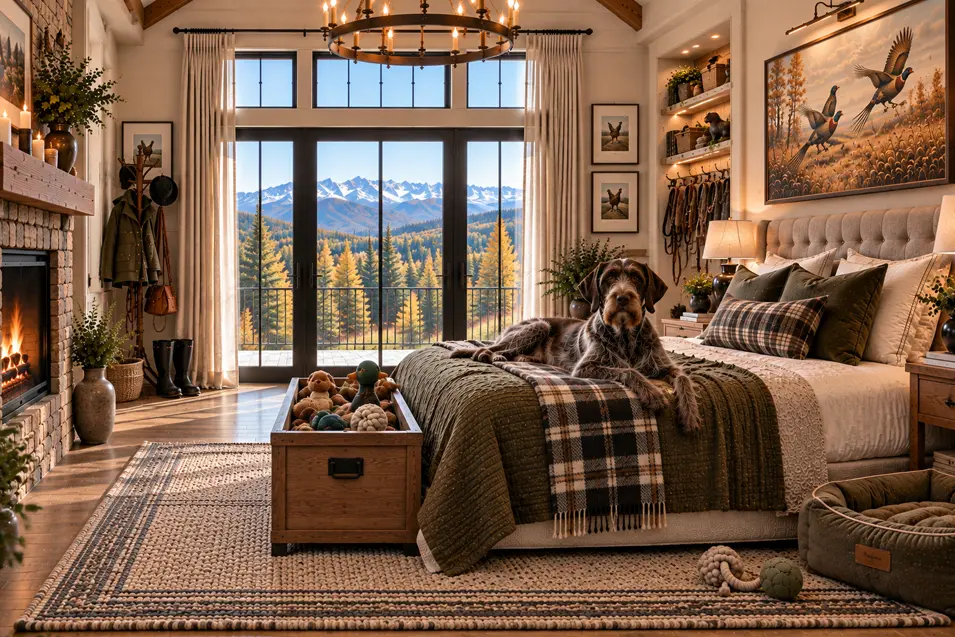
The ultimate dog room should reflect your dog’s personality and preferences.
Fun additions may include:
- Personalized name signs
- Framed pet photos
- Custom bedding
- Decorative storage containers
- Breed-themed artwork
These details can help transform the room into a welcoming space that feels like a natural extension of your home.
Design for Your Dog’s Lifestyle
Every dog has unique needs.
Active dogs may benefit from:
- Extra toy storage
- Training equipment
- Agility accessories
Senior dogs may appreciate:
- Orthopedic bedding
- Non-slip flooring
- Easy access to food and water
Puppies may require:
- Durable chew-resistant furnishings
- Additional safety measures
- Frequent enrichment opportunities
Tailoring the room to your dog’s lifestyle helps maximize comfort and functionality.
Creating a Space Your Dog Will Love
Designing the ultimate dog room isn’t about luxury—it’s about creating a space that supports your dog’s physical comfort, mental stimulation, and daily routines. Whether you dedicate an entire room or simply transform a section of your home, thoughtful planning can make a significant difference in your pet’s quality of life.
By combining durable materials, smart storage, comfortable sleeping areas, feeding stations, and enrichment opportunities, you can create a room that serves both practical and emotional needs. The result is a space where your dog can relax, play, and feel secure while helping you maintain a cleaner, more organized home.
A well-designed dog room is ultimately an investment in your pet’s happiness—and that’s something every dog owner can appreciate.