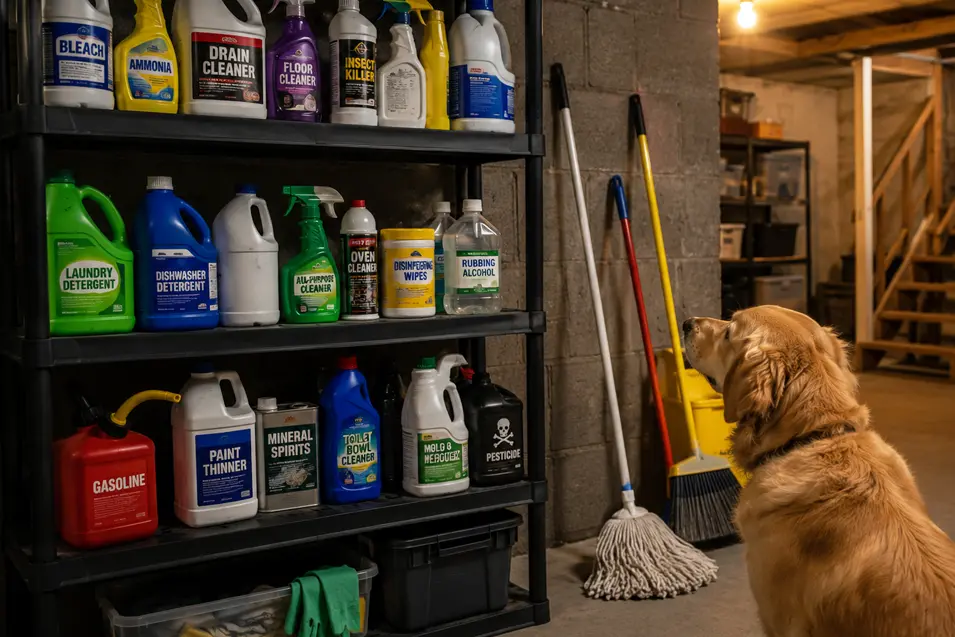
Many household chemicals are essential for cleaning, maintenance, gardening, and personal care. However, when these products are stored within easy reach of children or pets, they can quickly become a serious safety hazard. Every year, thousands of accidental poisonings and chemical-related injuries occur because dangerous substances were left in accessible locations.
Understanding which chemicals pose the greatest risks and how to store them safely can help prevent avoidable accidents and keep everyone in the household protected.
Why Proper Chemical Storage Matters
Children and pets are naturally curious. Brightly colored containers, unusual smells, and interesting packaging can attract their attention. Unfortunately, many chemicals can cause severe injuries if swallowed, inhaled, or spilled onto the skin.
Even products that seem relatively harmless can lead to:
- Poisoning
- Chemical burns
- Respiratory distress
- Eye injuries
- Long-term health complications
Proper storage is one of the simplest and most effective ways to reduce these risks.
- Household Cleaning Products
Cleaning supplies are among the most common causes of accidental poisonings.
Products that should always be kept out of reach include:
- Bleach
- Toilet bowl cleaners
- Drain cleaners
- Oven cleaners
- Disinfectants
- Mold and mildew removers
Many of these products contain corrosive ingredients that can cause severe burns to the mouth, throat, skin, and eyes.
- Laundry Detergents and Pods
Laundry detergents, especially detergent pods, can be particularly dangerous.
Their colorful appearance may resemble candy or toys to children, while pets may mistake them for something edible.
Potential risks include:
- Chemical burns
- Breathing difficulties
- Vomiting
- Eye injuries
Store detergents in their original containers and keep them in secured cabinets whenever possible.
- Automotive Chemicals
Garages often contain highly toxic substances that should never be accessible to children or pets.
Examples include:
- Antifreeze
- Motor oil
- Brake fluid
- Windshield washer fluid
- Fuel additives
Antifreeze is especially dangerous because its sweet taste can attract pets, yet even small amounts can be fatal.
- Pesticides and Insecticides
Products designed to kill insects, rodents, and weeds are inherently toxic.
Common examples include:
- Weed killers
- Ant bait
- Rodent poison
- Insect sprays
- Garden fungicides
Improper storage can lead to accidental ingestion, poisoning, or exposure through skin contact.
- Paints, Solvents, and Thinners
Many home improvement products contain strong chemicals that can be hazardous when inhaled or swallowed.
These include:
- Paint thinner
- Mineral spirits
- Turpentine
- Spray paint
- Wood stains
- Paint removers
Always store these products in tightly sealed containers and in areas inaccessible to children and pets.
- Pool and Hot Tub Chemicals
Pool maintenance products are highly concentrated and can cause serious injuries if mishandled.
Common hazards include:
- Chlorine tablets
- Shock treatments
- pH adjusters
- Algaecides
Exposure can result in burns, breathing problems, and poisoning.
- Fertilizers
While many fertilizers are considered relatively safe when used correctly, they can still be harmful if ingested.
Potential dangers include:
- Gastrointestinal upset
- Toxicity from added chemicals
- Choking hazards from pellets or granules
Store fertilizers securely in their original packaging.
- Personal Care Chemicals
Many people overlook the potential dangers of certain personal care products.
Items that should remain out of reach include:
- Nail polish remover
- Hair dye
- Chemical hair treatments
- Rubbing alcohol
- Hydrogen peroxide
These products may contain ingredients that are toxic or irritating if swallowed or spilled.
- Batteries and Battery Acid
Batteries contain corrosive chemicals that can cause severe internal injuries if chewed or swallowed.
Particular caution should be taken with:
- Button batteries
- Rechargeable batteries
- Automotive batteries
Button batteries are especially dangerous because they can cause life-threatening internal burns within hours.
- Industrial and Workshop Chemicals
For homeowners with workshops or hobby areas, additional precautions are necessary.
Potential hazards include:
- Adhesives
- Epoxy resins
- Wood treatments
- Degreasers
- Metal cleaners
These products should always be stored in locked cabinets or restricted areas.
Common Chemical Storage Mistakes
Many accidents occur because of preventable storage errors, including:
- Leaving products under sinks without childproof locks
- Transferring chemicals into unlabeled containers
- Storing chemicals near food
- Leaving products unattended during use
- Keeping chemicals on low shelves or countertops
Original packaging contains important safety information and should always be retained.
Safe Storage Tips
To reduce the risk of accidental exposure:
- Store chemicals in locked cabinets whenever possible.
- Keep products in their original containers.
- Ensure lids and caps are tightly secured.
- Place chemicals on high shelves if locked storage is unavailable.
- Clean up spills immediately.
- Never leave hazardous products unattended.
- Dispose of expired chemicals according to local regulations.
What to Do If Exposure Occurs
If a child or pet may have come into contact with a hazardous chemical:
- Remove them from the source of exposure.
- Follow any emergency instructions listed on the product label.
- Contact Poison Control or your veterinarian immediately.
- Seek emergency medical care if symptoms are severe.
- Bring the product container with you when seeking assistance.
Never induce vomiting unless specifically instructed by a medical professional.
Final Thoughts
Many everyday chemicals found around the home can pose serious risks when stored within reach of children or pets. Cleaning products, automotive fluids, pesticides, and even common personal care items can lead to poisoning or injury if accessed accidentally. By practicing proper storage habits and keeping hazardous substances secured, families can significantly reduce the likelihood of dangerous incidents and create a safer home environment for everyone.