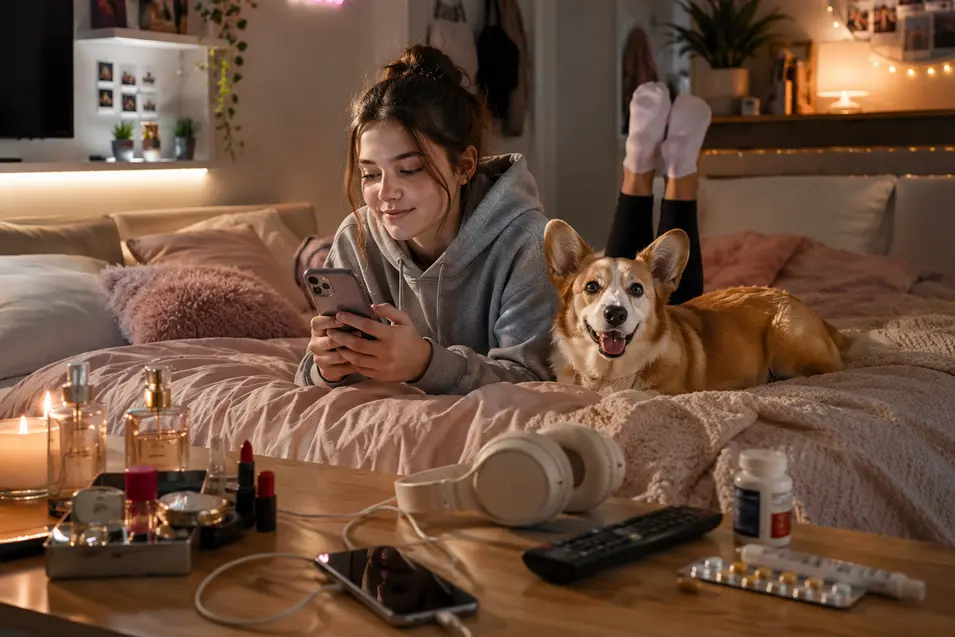
As much as teenagers love their pets, their bedrooms can unintentionally become one of the most dangerous areas in the home for curious cats and dogs. Between electronics, cosmetics, clothing, snacks, and school supplies, teen rooms often contain numerous items that can pose serious risks to pets. Understanding these hazards can help families create a safer environment for their four-legged companions.
Why Teen Bedrooms Can Be Risky for Pets
Teenagers tend to have busy lifestyles, and their rooms often serve as spaces for studying, socializing, gaming, eating, and personal care. As a result, items that are harmless to humans can easily become dangerous when explored by a curious pet. Dogs may chew on objects, while cats often investigate small items, cords, and elevated surfaces.
- Charging Cords and Electronics
One of the most common hazards in teen rooms is the abundance of electronic devices and charging cables.
Pets that chew on electrical cords can suffer:
- Severe mouth burns
- Electrical shock
- Internal injuries
- Fatal electrocution
Power strips, headphones, gaming accessories, and laptop chargers can all attract curious pets. Keeping cords organized and out of reach can significantly reduce the risk.
- Cosmetics and Beauty Products
Many teens store makeup, skincare products, perfumes, and nail supplies in their bedrooms. Unfortunately, many of these products contain ingredients that can be toxic to pets.
Potentially harmful items include:
- Lip balm and lipstick
- Perfume and body sprays
- Nail polish and remover
- Retinol-based skincare products
- Essential oil products
Even small amounts can cause stomach upset, poisoning, or skin irritation if ingested.
- Medications and Supplements
Prescription medications, vitamins, and supplements are frequently kept in backpacks, nightstands, or desk drawers.
Common dangers include:
- ADHD medications
- Pain relievers
- Antidepressants
- Sleep aids
- Energy supplements
Many human medications can be extremely toxic to pets, even in small doses. Any medication should be stored securely and never left on desks or bedside tables.
- Small Objects and Collectibles
Teen rooms often contain numerous small items that can become choking hazards.
Examples include:
- Jewelry
- Hair ties
- Earbuds
- Coins
- Batteries
- Game pieces
- Craft supplies
Dogs, in particular, may swallow these objects, leading to intestinal blockages that often require emergency veterinary treatment.
- Snacks and Food Wrappers
Many teens enjoy keeping snacks in their rooms, but leftover food can be dangerous for pets.
Problem foods include:
- Chocolate
- Gum containing xylitol
- Grapes and raisins
- Candy
- Chips and salty snacks
Even discarded wrappers can attract pets, who may ingest packaging along with the food.
- Laundry and Clothing
Clothing may seem harmless, but pets can get into trouble with:
- Socks
- Underwear
- Shoelaces
- Drawstrings
Dogs are especially known for swallowing fabric items, which can cause life-threatening intestinal obstructions.
- Hair Accessories
Hair ties, scrunchies, clips, and bobby pins are frequently left on desks and floors.
While they appear insignificant, these items are among the most common foreign objects removed during veterinary surgeries. Cats and dogs may swallow them while playing, leading to digestive blockages.
- School and Craft Supplies
Pens, markers, glue, paint, and other supplies can pose various risks.
Hazards include:
- Toxic inks and chemicals
- Sharp points
- Plastic pieces that can be swallowed
- Glue products that expand in the stomach
Keeping supplies organized in closed containers can help prevent accidents.
- Houseplants
Many teens decorate their rooms with plants, but not all greenery is pet-friendly.
Some common toxic plants include:
- Lilies
- Pothos
- Snake plants
- Aloe vera
- Philodendron
Pet owners should always research plants before bringing them into the home.
- Open Trash Cans
Bedroom trash cans often contain a mix of food scraps, tissues, cosmetics, and other tempting items.
Pets that rummage through garbage may ingest:
- Toxic substances
- Sharp objects
- Plastic wrappers
- Used dental floss
A covered trash can is one of the simplest ways to reduce risk.
Signs Your Pet May Have Encountered a Hazard
Contact your veterinarian immediately if your pet shows any of the following symptoms:
- Vomiting
- Diarrhea
- Excessive drooling
- Difficulty breathing
- Lethargy
- Loss of appetite
- Tremors or seizures
- Evidence of chewing electrical cords
Quick action can often prevent a minor incident from becoming a serious emergency.
Creating a Pet-Safe Teen Room
Fortunately, making a teen bedroom safer for pets doesn’t require major changes. Families can reduce risks by encouraging teens to:
- Store medications securely
- Keep food and snacks sealed
- Organize cords and electronics
- Pick up clothing and small objects
- Use covered trash bins
- Research pet-safe plants
- Keep beauty products in drawers or containers
Final Thoughts
Teen bedrooms are often filled with everyday items that can pose unexpected dangers to pets. By recognizing common hazards and encouraging good organizational habits, families can create safer spaces where both teens and their furry companions can coexist comfortably. A little awareness and prevention can go a long way toward keeping pets healthy, happy, and out of harm’s way.