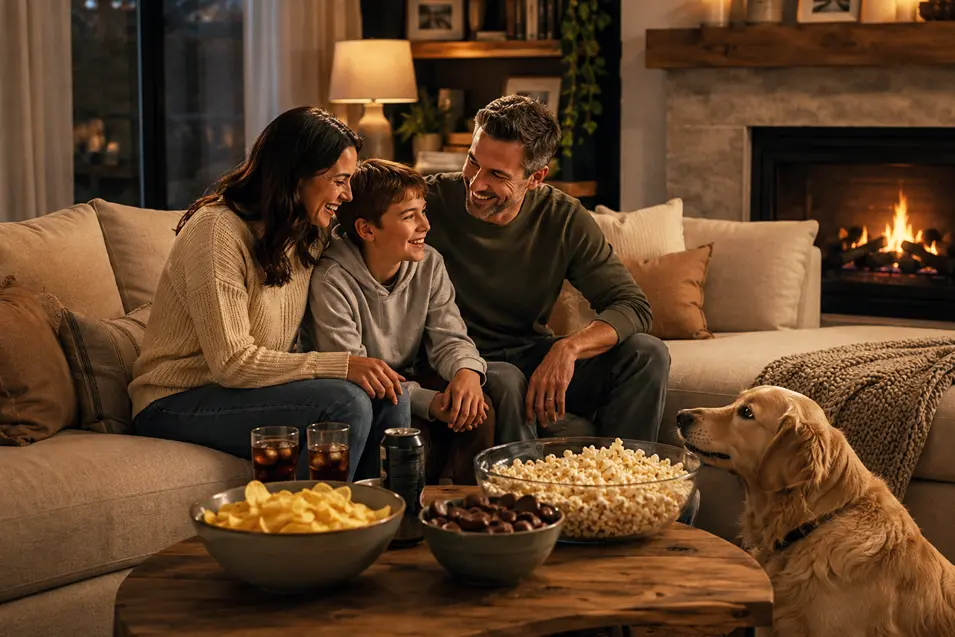
If you share your home with a dog, you’ve probably experienced the moment when you realize your favorite snack has mysteriously disappeared. Whether it’s a bag of chips left on the coffee table, a loaf of bread sitting on the counter, or a box of cookies tucked into a pantry shelf, dogs have an incredible ability to find food wherever it’s stored.
While a stolen treat may seem harmless, many human foods can pose serious health risks to dogs. Chocolate, raisins, grapes, onions, xylitol, and certain nuts can cause severe illness and even become life-threatening. Even foods that aren’t toxic can contribute to weight gain, digestive upset, and unhealthy eating habits.
Creating a pet-friendly home means thinking beyond your dog’s food bowl. It also means finding practical ways to keep your family’s snacks secure while preventing curious noses from getting into trouble.
Why Dogs Are So Good at Finding Snacks
Dogs rely heavily on their sense of smell to navigate the world. In fact, a dog’s sense of smell is estimated to be thousands of times more powerful than a human’s. What seems like a sealed bag of crackers to you may smell like a freshly opened buffet to your pet.
Many dogs are also natural problem-solvers. They learn quickly which cabinets contain food, how to open loosely latched pantry doors, and which family members are likely to leave snacks unattended.
Some breeds are particularly food-motivated and will go to great lengths to access treats. Labrador Retrievers, Beagles, Golden Retrievers, and many mixed breeds are famous for their determination when food is involved.
The Risks of Unsecured Snacks
Allowing dogs access to human snacks creates more than just a messy kitchen.
Potential risks include:
- Food poisoning from toxic ingredients
- Digestive blockages caused by packaging
- Weight gain and obesity
- Choking hazards
- Pancreatitis from high-fat foods
- Reinforcement of food-stealing behaviors
Many emergency veterinary visits begin with a dog getting into a pantry, garbage can, or unattended snack bag.
The safest approach is prevention.
Use Pet-Proof Storage Containers
One of the simplest ways to protect snacks is by transferring them from their original packaging into secure containers.
Look for containers that offer:
- Airtight seals
- Locking lids
- Durable materials
- Stackable designs
Plastic bags, cardboard boxes, and chip clips may slow down a determined dog, but they rarely stop one.
Clear containers can also help family members stay organized while making it easier to monitor snack supplies.
Upgrade Your Pantry Storage
A traditional pantry may not be enough for particularly clever dogs.
Consider storing snacks:
- On higher shelves
- Behind closed cabinet doors
- Inside pantry systems with childproof latches
- In dedicated storage bins
If your dog has already learned how to open doors, magnetic cabinet locks can provide an extra layer of security.
Many pet owners are surprised to discover just how quickly a dog can learn to pull open a pantry door after watching family members do it repeatedly.
Keep Counters Clear
Counter surfing is one of the most common ways dogs gain access to snacks.
Even well-trained dogs can be tempted when food is left unattended.
To reduce temptation:
- Put snacks away immediately after use
- Avoid leaving grocery bags on counters
- Store baked goods inside cabinets
- Keep fruit bowls out of reach
Remember that larger dogs may easily reach areas that seem inaccessible.
Some dogs can even pull tablecloths or dish towels to bring food closer.
Create Designated Snack Zones
In a pet-friendly home, organization matters.
Creating designated snack zones can help keep food secure while reducing accidental exposure.
Examples include:
- Upper kitchen cabinets reserved for snacks
- Locked pantry shelves
- Dedicated food drawers
- Home office snack stations with secure storage
When snacks always return to the same location, family members are less likely to leave food where dogs can access it.
Watch Out for Children’s Snacks
Children are often unintentionally responsible for snack theft.
Lunch boxes, backpacks, bedroom treats, and forgotten crackers under furniture can become easy targets for curious dogs.
Teach children to:
- Put snacks away when finished
- Keep backpacks zipped
- Avoid leaving food in bedrooms
- Clean up crumbs after eating
This not only protects your snacks but also helps protect your dog from potentially harmful foods.
Be Careful During Holidays and Gatherings
Holidays often create perfect opportunities for food-loving dogs.
Guests may not realize which foods are dangerous, and snack trays are often left within easy reach.
During parties and family gatherings:
- Keep appetizers elevated
- Monitor dessert tables
- Remind guests not to feed the dog
- Secure leftovers immediately
Foods commonly served during celebrations often contain ingredients that can be dangerous for pets.
Train Better Food Manners
Storage solutions are important, but training also plays a valuable role.
Helpful commands include:
- Leave it
- Stay
- Off
- Place
Dogs that understand boundaries around food are less likely to investigate unattended snacks.
Consistency is key. If a dog occasionally succeeds in stealing food, the behavior often becomes even more rewarding and persistent.
Consider Furniture With Built-In Storage
Pet-friendly homes often benefit from smart furniture choices.
Storage ottomans, kitchen islands, and cabinets with hidden compartments can provide additional space for snacks while keeping them out of reach.
These solutions are especially useful in smaller homes where pantry space is limited.
The goal is to make food inaccessible without creating inconvenience for the people who live there.
Don’t Forget About Pet Safety
Ultimately, keeping snacks safe from dogs isn’t just about protecting your food. It’s about protecting your pet.
Dogs don’t understand which foods are dangerous. They simply follow their instincts and their noses.
By combining smart storage, thoughtful organization, and consistent training, you can create a home that keeps both your snacks and your dog safe.
A truly pet-friendly home is one that anticipates problems before they happen. Keeping snacks securely stored may seem like a small step, but it can prevent costly veterinary visits, dangerous emergencies, and plenty of household frustration.
When your snacks stay where they belong, everyone—including your dog—wins.