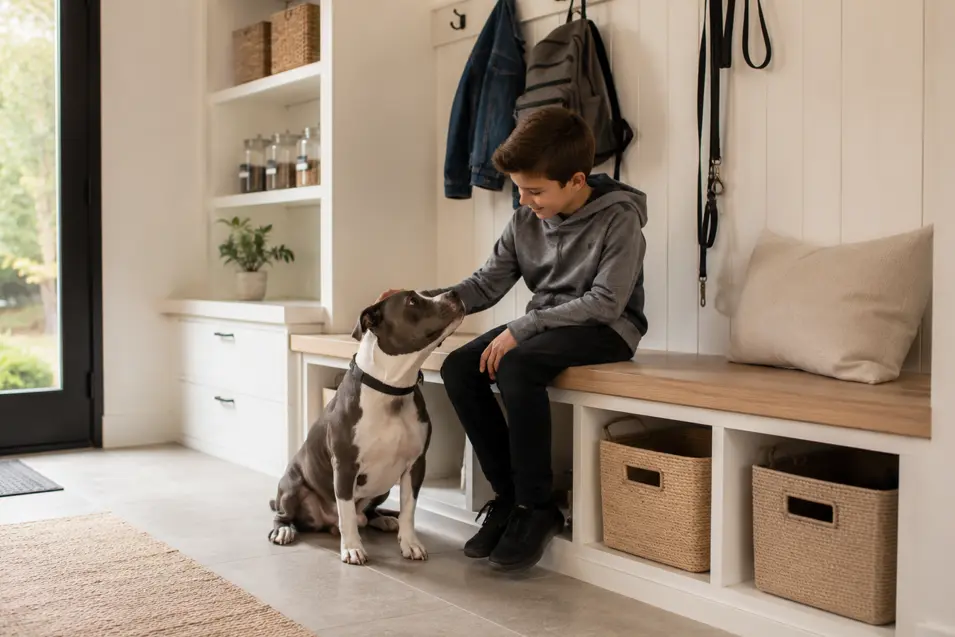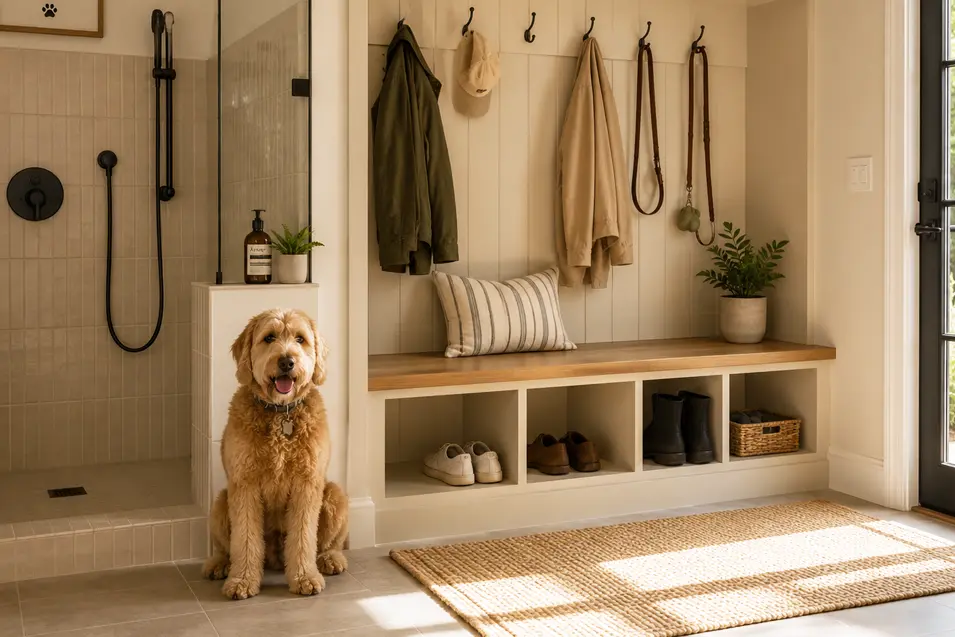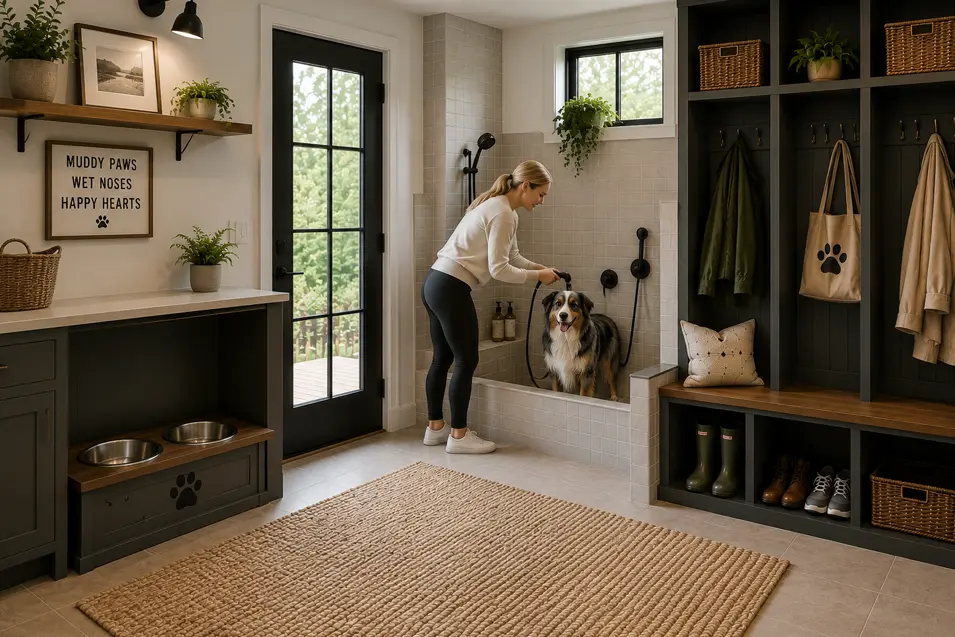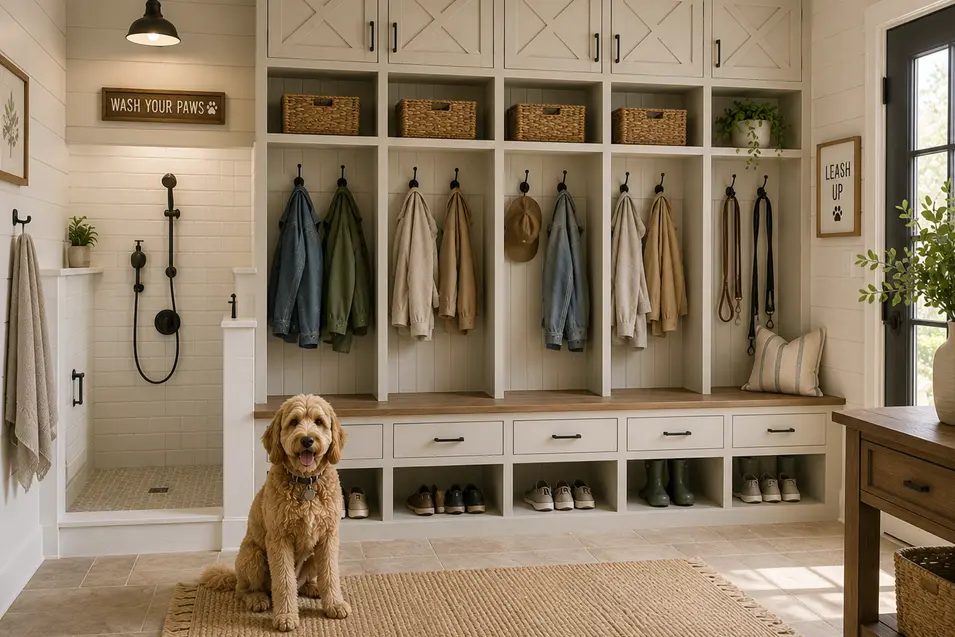
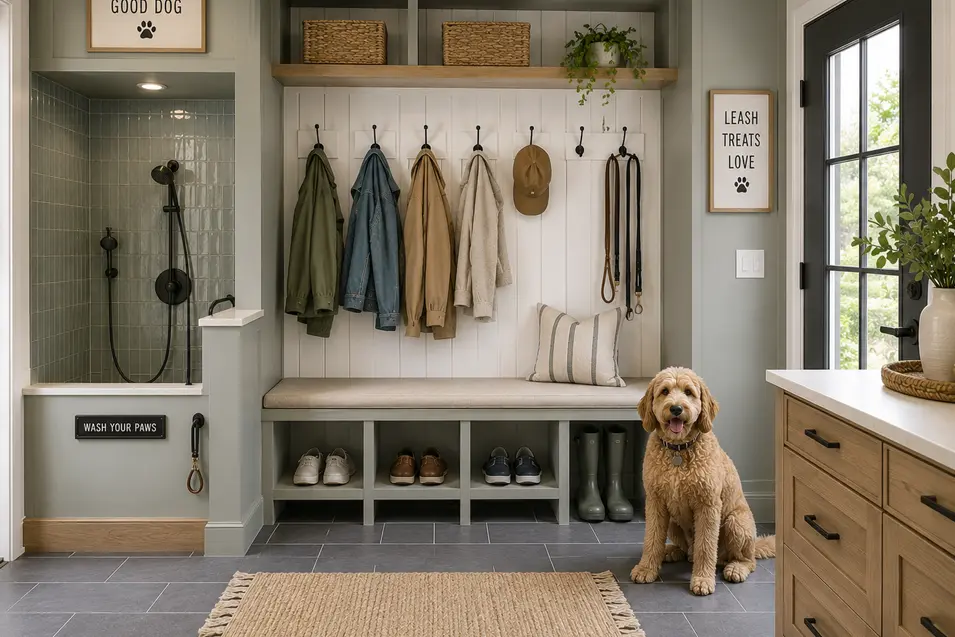
A well-designed mudroom can be one of the most valuable spaces in a dog-friendly home. It serves as a transition zone between the outdoors and the rest of the house, helping contain dirt, moisture, fur, and everyday pet-related clutter. When designed properly, a mudroom can simplify routines, improve organization, and make life easier for both dogs and their owners.
Unfortunately, many homeowners overlook important details when creating or upgrading a mudroom. Small design mistakes can lead to ongoing frustrations, unnecessary messes, and even safety concerns. Whether you’re planning a renovation or simply improving your current setup, understanding the most common mudroom mistakes can help you create a space that truly works for your family and your pets.
Choosing the Wrong Flooring
One of the biggest mistakes dog owners make is selecting flooring that isn’t designed to handle moisture, dirt, and heavy traffic.
Dogs regularly track in:
- Mud
- Water
- Snow
- Sand
- Grass clippings
Flooring that scratches easily or absorbs moisture can quickly show wear.
Common flooring mistakes include:
- Hardwood prone to water damage
- Carpet that traps odors and stains
- Slippery surfaces that increase fall risks
Better options include porcelain tile, luxury vinyl plank, and sealed concrete, all of which are durable and easy to clean.
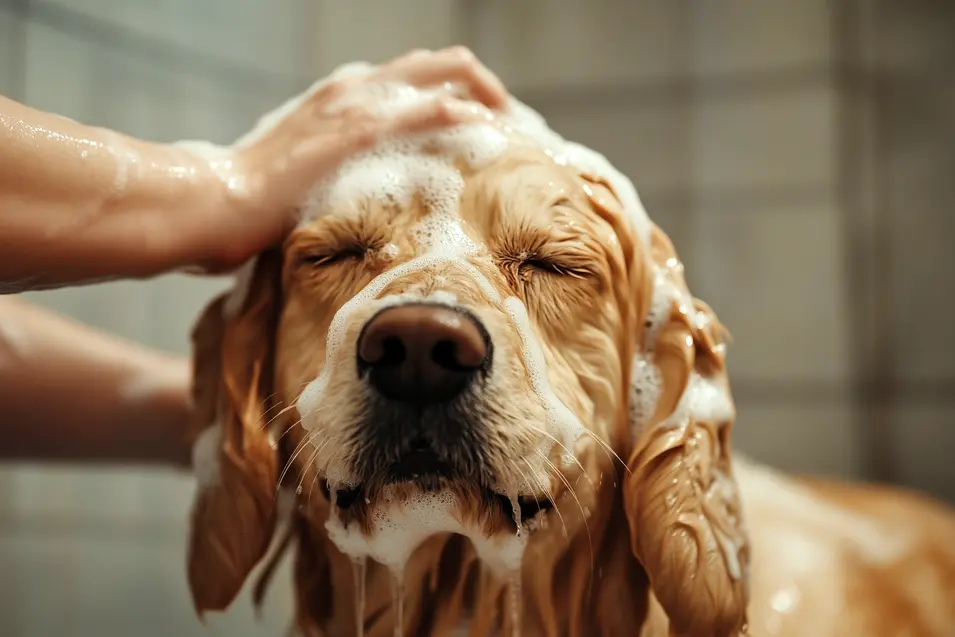
Skipping a Dog Washing Area
Many homeowners regret not including a dedicated dog washing station when renovating a mudroom.
Without a cleaning area, muddy dogs often end up:
- In bathtubs
- On furniture
- Tracking dirt throughout the home
Even if a full dog shower isn’t possible, a simple cleanup station with:
- Towels
- Water access
- Storage for grooming supplies
can make a significant difference.
Planning for pet cleanup before it’s needed often saves frustration later.
Not Including Enough Storage
Dog owners typically accumulate more supplies than they expect.
Items often include:
- Leashes
- Harnesses
- Waste bags
- Towels
- Treats
- Grooming supplies
- Seasonal gear
- Toys
One of the most common mistakes is underestimating storage requirements.
A cluttered mudroom quickly loses its effectiveness.
Incorporating cabinets, cubbies, baskets, and hooks helps keep everything organized and accessible.
Forgetting About Wet Towels
After rainy walks or snowy outings, wet towels become an essential part of pet ownership.
Many mudrooms lack a dedicated place to store:
- Clean towels
- Used towels
- Drying racks
Without proper storage, damp towels often end up piled on benches, floors, or countertops.
Dedicated towel storage helps maintain cleanliness while simplifying post-walk routines.
Ignoring Non-Slip Surfaces
Safety is often overlooked during mudroom design.
Wet floors can become hazardous for:
- Puppies
- Senior dogs
- Large breeds
- Dogs recovering from injuries
Slippery flooring increases the risk of falls and joint strain.
Adding non-slip mats, textured flooring, and secure rugs can help create a safer environment.
Placing Feeding Stations in High-Traffic Areas
Some homeowners add feeding stations to their mudroom without considering traffic flow.
When food and water bowls are placed near:
- Entry doors
- Walkways
- Storage areas
they can create congestion and spills.
Dogs often prefer quieter locations where they can eat without constant interruptions.
Carefully selecting the placement of feeding stations improves both convenience and comfort.
Overlooking Ventilation
Mudrooms frequently deal with:
- Wet dogs
- Damp clothing
- Outdoor gear
- Moisture buildup
Poor ventilation can lead to:
- Musty odors
- Mold growth
- Poor air quality
Many homeowners focus on storage and flooring while forgetting airflow.
Proper ventilation systems, exhaust fans, and open airflow can help keep the space fresh.
Using Open Storage for Everything
While open shelving looks attractive in design magazines, it doesn’t always work well in real life.
Open storage can quickly become cluttered with:
- Dog toys
- Leashes
- Towels
- Food containers
A combination of open and closed storage often works best.
Cabinets can conceal visual clutter while maintaining a cleaner appearance.
Forgetting About Dog Size
A mudroom that works well for a Chihuahua may not function effectively for a Great Dane.
Common mistakes include:
- Dog wash stations that are too small
- Inadequate resting areas
- Storage designed without considering larger equipment
Designing around your dog’s size helps ensure long-term usability.
Lack of Organized Entry and Exit Zones
Many dog owners underestimate how chaotic entry and exit routines can become.
A poorly organized mudroom often results in:
- Lost leashes
- Forgotten waste bags
- Traffic bottlenecks
- Frustrated owners
Creating designated zones for:
- Walking supplies
- Cleaning tools
- Outdoor gear
helps streamline daily routines.
Neglecting a Comfortable Resting Space
Dogs often view the mudroom as their personal headquarters.
Without a comfortable resting area, pets may choose less desirable locations throughout the home.
Popular solutions include:
- Built-in dog beds
- Under-bench sleeping areas
- Cushioned nooks
A dedicated relaxation space helps make the room more functional for pets.
Choosing Difficult-to-Clean Materials
Dog owners should expect mudroom surfaces to get dirty.
Materials that require extensive maintenance can become frustrating over time.
Common problem areas include:
- Delicate paint finishes
- Porous surfaces
- Hard-to-clean fabrics
Selecting durable, washable materials simplifies maintenance and extends the lifespan of the room.
Not Planning for Growth
Puppies eventually become adult dogs.
Many homeowners design mudrooms around their pet’s current size and needs without considering future changes.
Factors to plan for include:
- Larger beds
- Bigger feeding stations
- Additional storage needs
- Mobility challenges in senior years
Designing with flexibility in mind helps future-proof the space.
Forgetting Seasonal Needs
Dog ownership changes with the seasons.
Mudrooms should accommodate:
Winter
- Snow-covered paws
- Wet coats
- Ice melt cleanup
Spring
- Muddy trails
- Rainy walks
Summer
- Outdoor toys
- Water bowls
- Cooling accessories
Fall
- Leaves
- Dirt
- Seasonal gear
Ignoring seasonal challenges can limit the room’s effectiveness throughout the year.
Focusing Only on Appearance
Many mudrooms are designed primarily for aesthetics.
While appearance matters, functionality should remain the top priority.
The most successful dog-friendly mudrooms balance:
- Style
- Durability
- Organization
- Convenience
A beautiful space that doesn’t support daily routines will quickly become frustrating to use.
Creating a Better Dog-Friendly Mudroom
Avoiding these common mistakes can help create a mudroom that truly serves your family’s needs.
A successful dog-friendly mudroom should include:
- Durable flooring
- Adequate storage
- Non-slip surfaces
- Good ventilation
- Organized entry zones
- Easy-clean materials
- Comfortable pet spaces
Thoughtful planning today can prevent years of frustration down the road.
Final Thoughts
Mudrooms have the potential to become one of the most useful spaces in a dog owner’s home, but only when they are designed with real-world functionality in mind. From choosing the right flooring and storage solutions to planning for cleanup routines and pet comfort, avoiding common mistakes can make a tremendous difference.
By learning from the most frequent mudroom design errors, dog owners can create a cleaner, safer, and more organized space that supports both everyday routines and outdoor adventures. A well-designed mudroom doesn’t just benefit your dog—it benefits your entire household.