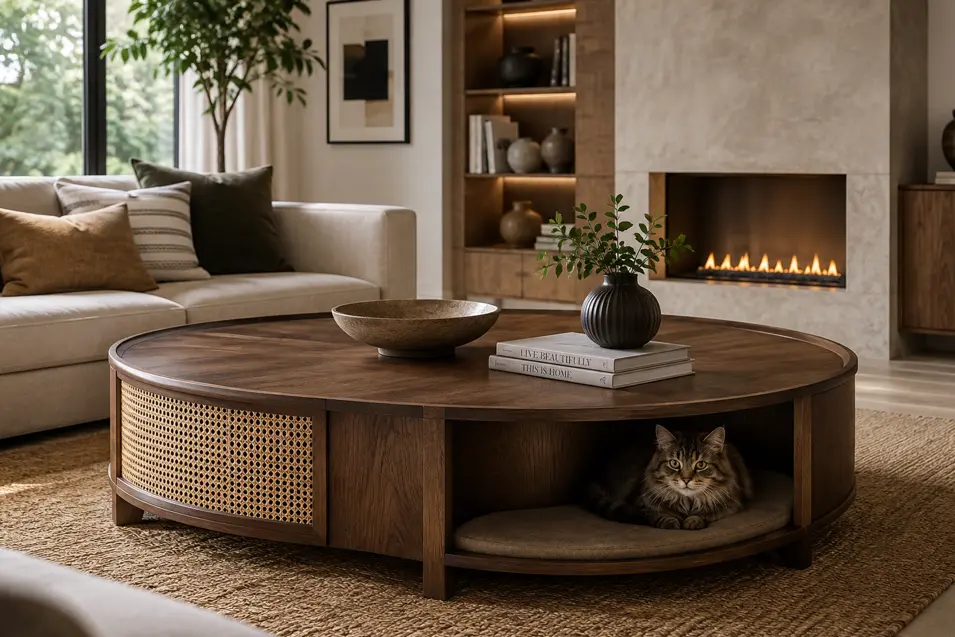
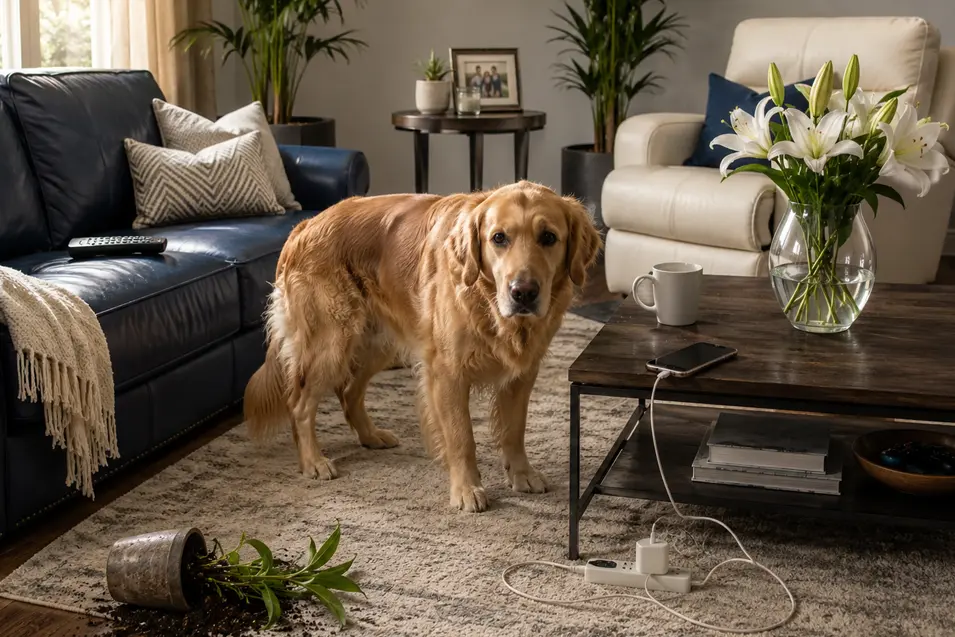
The living room is often where families gather to relax, entertain guests, and spend quality time together. It’s also one of the rooms where pets spend a significant amount of their day. Whether your dog enjoys napping on the couch or your cat loves exploring shelves and furniture, the living room can feel like a safe and comfortable environment.
However, many common household items found in living rooms can pose hidden risks to pets. From electrical cords and toxic plants to choking hazards and unstable furniture, dangers often exist where pet owners least expect them.
Understanding these hazards can help you create a safer living space and reduce the risk of accidents. Here are some of the most common living room hazards every pet owner should know about.
Electrical Cords and Charging Cables
Electrical cords are among the most overlooked dangers in the living room, particularly for puppies, kittens, and pets that enjoy chewing.
Potential risks include:
- Electrical shock
- Burns
- Oral injuries
- Fire hazards
Common targets include:
- Phone chargers
- Television cords
- Lamp cords
- Gaming console cables
- Computer wires
Using cord covers, cable organizers, and keeping wires out of reach can significantly reduce the risk.
Toxic Houseplants
Houseplants can add beauty and freshness to a living room, but some popular varieties can be toxic to pets.
Plants that may pose a danger include:
- Lilies
- Pothos
- Philodendrons
- Peace lilies
- Sago palms
Cats are particularly vulnerable to plant toxicity, and even small exposures can sometimes result in serious health issues.
Always research plants before bringing them into a pet-friendly home.
Small Objects That Can Be Swallowed
Many living rooms contain decorative items and everyday objects that can become choking hazards.
Common examples include:
- Coins
- Batteries
- Children’s toys
- Rubber bands
- Buttons
- Hair ties
Curious pets may view these items as toys, increasing the risk of choking or intestinal blockages.
Regularly inspecting floors and furniture for small objects can help prevent accidents.
Candles and Open Flames
Candles create a warm atmosphere but can become dangerous around active pets.
Potential hazards include:
- Burns
- Fires
- Knocked-over candle holders
- Melted wax injuries
Cats jumping onto shelves and dogs wagging their tails near low tables can accidentally tip over candles.
Consider flameless LED candles as a safer alternative.
Recliners and Power Furniture
Modern reclining furniture presents unique risks for pets.
Animals may crawl underneath recliners or nap inside moving mechanisms without owners realizing it.
Potential injuries include:
- Pinching
- Crushing
- Entrapment
Always check furniture before operating recliners or power-adjustable seating.
Toxic Essential Oils and Diffusers
Many homeowners use essential oil diffusers to improve indoor fragrance, but certain oils can be harmful to pets.
Oils that may pose risks include:
- Tea tree oil
- Eucalyptus
- Peppermint
- Cinnamon
- Pine oils
Cats are especially sensitive to many essential oils due to differences in how their bodies process certain compounds.
Consult your veterinarian before using diffusers around pets.
Glass Decorations and Fragile Items
Living rooms often contain decorative glass items that can break if knocked over.
Examples include:
- Vases
- Picture frames
- Glass sculptures
- Decorative bowls
Broken glass can cause cuts to paws, noses, and mouths.
Place fragile items in secure locations where curious pets cannot access them.
Window Blind Cords
Window blind cords can pose serious dangers, especially for cats.
Risks include:
- Entanglement
- Strangulation
- Choking
Cordless blinds are often the safest option for pet-friendly homes. If corded blinds are present, secure cords well out of reach.
Human Snacks Left Unattended
The living room is often where people enjoy snacks while watching television or entertaining guests.
Unfortunately, many popular snack foods are unsafe for pets.
Examples include:
- Chocolate
- Grapes
- Raisins
- Nuts
- Foods containing xylitol
Pets may quickly grab dropped food before owners notice.
Prompt cleanup and supervision can help prevent accidental ingestion.
Unstable Shelving and Furniture
Cats, in particular, enjoy climbing shelves, bookcases, and entertainment centers.
If furniture is not properly secured, it can tip over and cause serious injuries.
Furniture that should be anchored includes:
- Bookshelves
- Display cabinets
- Tall entertainment units
- Freestanding shelving
Anchoring furniture to walls provides added protection for both pets and children.
Batteries and Remote Controls
Remote controls are a favorite target for many dogs.
The danger isn’t just the plastic casing—it’s what’s inside.
Battery ingestion can lead to:
- Chemical burns
- Internal injuries
- Emergency veterinary treatment
Store remotes and electronic accessories where pets cannot reach them.
Fireplace Hazards
Fireplaces create a cozy atmosphere but can present several risks.
Potential dangers include:
- Burns
- Hot embers
- Ash residue
- Curious pets getting too close
Installing a sturdy fireplace screen helps create a safer barrier between pets and heat sources.
Area Rugs and Slippery Floors
Some flooring surfaces can be difficult for pets to navigate safely.
Older dogs and pets with mobility challenges may struggle on:
- Hardwood floors
- Tile surfaces
- Laminates
Non-slip rugs and runners can provide better traction while reducing the risk of slips and falls.
Children’s Toys and Pet Confusion
Many pets cannot distinguish between children’s toys and their own.
Small toy parts can become:
- Choking hazards
- Intestinal blockages
- Sources of injury
Families with children should encourage regular toy cleanup and provide pets with their own appropriate toys.
Creating a Pet-Safe Living Room
Making your living room safer doesn’t require a complete redesign.
Simple improvements include:
- Securing cords and cables
- Anchoring furniture
- Removing toxic plants
- Storing small objects safely
- Choosing pet-safe décor
- Supervising pets around fireplaces and candles
Regularly viewing your living room from your pet’s perspective can help identify risks you might otherwise overlook.
Final Thoughts
The living room may seem like one of the safest areas of the home, but many hidden hazards can threaten curious pets. Electrical cords, toxic plants, small objects, unstable furniture, and common household items all have the potential to cause injury if precautions are not taken.
By identifying and addressing these risks, pet owners can create a safer, more comfortable living environment where pets can relax, play, and spend time with their families without unnecessary danger. A few simple adjustments today can help prevent accidents and provide peace of mind for years to come.