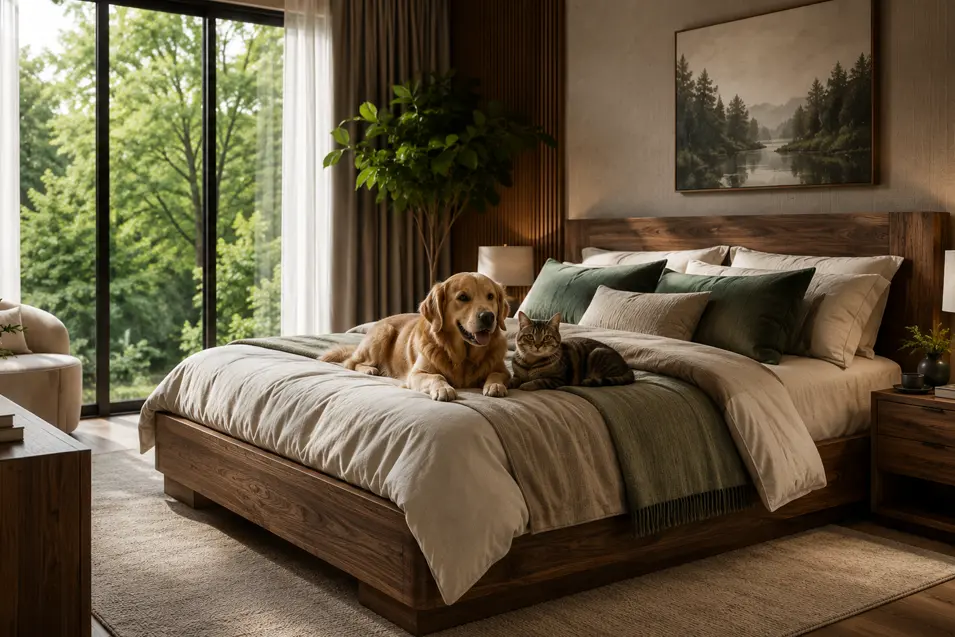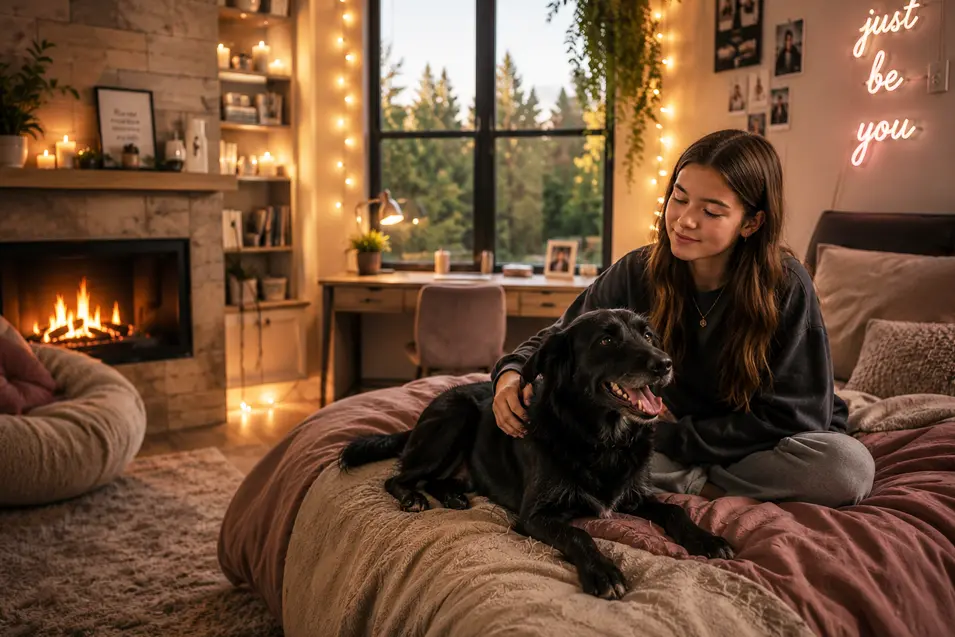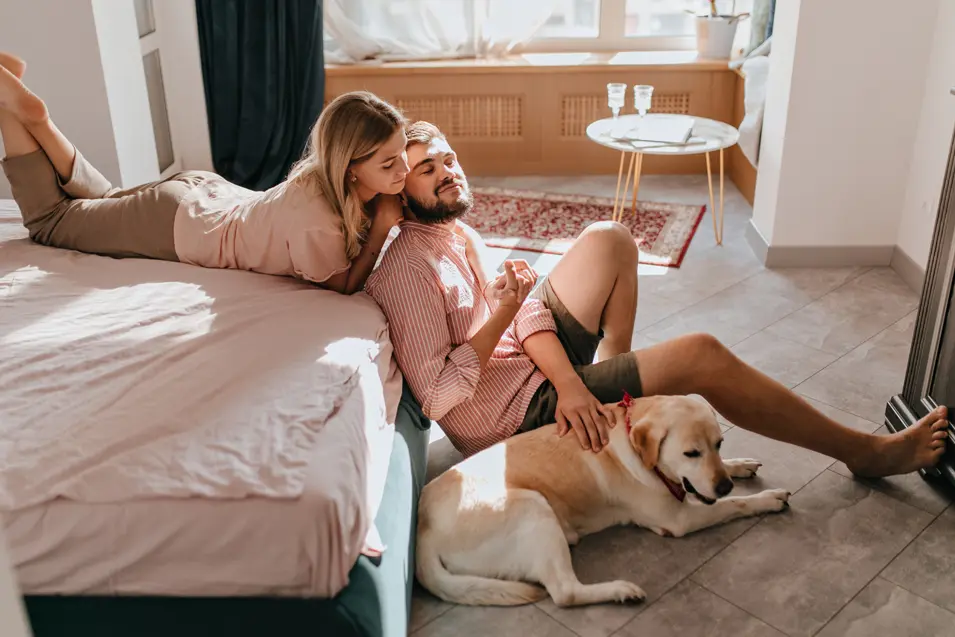
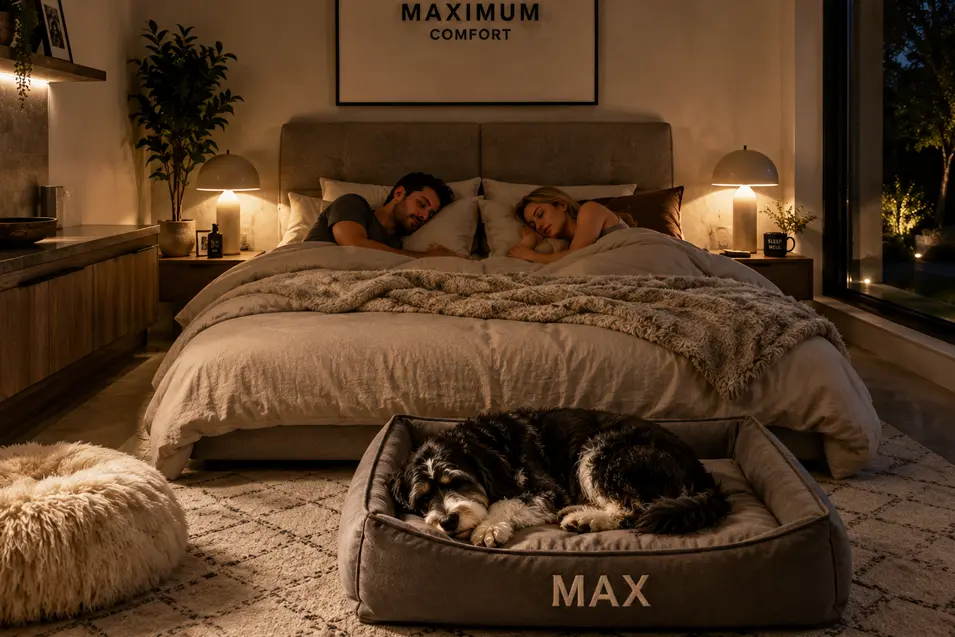
For many dog owners, bedtime isn’t complete without a furry companion nearby. Whether curled up in a dog bed beside yours or stretched out across the mattress, dogs often prefer to sleep close to their humans. But is allowing your dog to sleep in the master bedroom a good idea? The answer depends on your dog’s temperament, health, training, and your own sleep preferences.
While there is no universal right or wrong answer, understanding the benefits and potential drawbacks can help you make the best decision for both you and your pet.
Why Dogs Want to Sleep Near Their Owners
Dogs are naturally social animals. Descended from pack-living ancestors, they instinctively seek comfort, safety, and companionship from members of their social group. In your dog’s eyes, you’re part of their pack.
Sleeping near you can provide a sense of security and comfort, especially for puppies, rescue dogs, and pets that experience mild anxiety. Many dogs simply enjoy being close to their favorite person and view nighttime proximity as another opportunity to strengthen that bond.
In addition, dogs often associate their owners with warmth, protection, and routine. A dog that sleeps in the master bedroom may feel calmer and more relaxed throughout the night.
Benefits of Letting Your Dog Sleep in the Master Bedroom
Strengthens the Human-Animal Bond
One of the biggest advantages of sharing your bedroom with your dog is the emotional connection it can foster. Spending time together, even while sleeping, can reinforce trust and companionship.
Many pet owners report feeling comforted by their dog’s presence, while dogs benefit from the reassurance of being near their family members.
Provides Emotional Comfort
For some people, having a dog nearby at night can reduce feelings of loneliness, stress, or anxiety. Studies have shown that interactions with pets can lower stress hormones and promote feelings of well-being.
Dogs can also benefit from the arrangement. A dog that feels secure and relaxed may experience less nighttime anxiety and settle more easily.
Easier Monitoring of Health Issues
If your dog is elderly, recovering from surgery, or managing a chronic health condition, sleeping in the same room can make it easier to notice changes in behavior or respond to nighttime needs.
Senior dogs may need more frequent bathroom breaks or assistance moving around. Being nearby allows owners to provide help quickly when necessary.
Added Sense of Security
Many homeowners appreciate the extra sense of security that comes from having a dog nearby. Even small dogs often alert their owners to unusual sounds or activity around the home.
While a sleeping dog isn’t a substitute for a security system, their presence can offer peace of mind.
Potential Drawbacks of Sharing the Bedroom
While many households successfully share sleeping space with their pets, there are situations where it may not be ideal.
Sleep Disruptions
One of the most common complaints among pet owners is interrupted sleep. Dogs may snore, change positions frequently, scratch, shake their collars, or wake up during the night.
If your dog’s nighttime habits consistently interfere with your sleep quality, sharing a bedroom may not be the best arrangement.
Allergies and Hygiene Concerns
Dogs can bring dirt, pollen, dander, and other allergens into the bedroom. For individuals who suffer from allergies or asthma, this can worsen symptoms and impact sleep quality.
Regular grooming, washing pet bedding, and maintaining a clean sleeping environment can help reduce these concerns but may not eliminate them entirely.
Reinforcing Separation Anxiety
For some dogs, constant proximity to their owners can contribute to separation-related issues. While sleeping together doesn’t automatically cause separation anxiety, dogs that struggle with being alone may become overly dependent if they rarely spend time apart from their owners.
It’s important to ensure your dog is comfortable resting independently during the day, even if they sleep in your room at night.
Boundary Challenges
Some dogs become possessive of sleeping spaces or develop habits that owners later find difficult to change. Establishing clear boundaries from the beginning can help prevent issues.
For example, deciding whether your dog can sleep on the bed, on a dog bed, or in a crate creates consistency and reduces confusion.
Should Dogs Sleep on the Bed or Just in the Room?
Many owners assume that if a dog sleeps in the bedroom, they must also sleep on the bed. However, these are two separate decisions.
Allowing your dog to sleep in the room while maintaining their own dedicated sleeping area often provides the best balance between companionship and boundaries.
Options include:
- A comfortable dog bed beside your bed
- A crate for dogs that enjoy enclosed spaces
- A built-in sleeping nook within bedroom furniture
- A cushioned bench or designated pet area
Having a separate sleeping space can improve comfort for both you and your dog while still allowing them to feel close to the family.
When Sleeping in the Master Bedroom May Not Be the Best Choice
There are situations where keeping your dog out of the bedroom may be the healthier option.
Puppies Still Being House-Trained
Young puppies often require nighttime potty breaks and supervision. While some owners keep puppies nearby during training, others find that crate training in a separate area works better.
Aggressive or Resource-Guarding Dogs
Dogs that display possessive behavior around sleeping areas should not be allowed unrestricted access to beds or furniture until the issue has been addressed with training.
Severe Allergies
If household members experience significant allergic reactions, creating a pet-free bedroom may help improve sleep and overall health.
Chronic Sleep Problems
If sharing a room with your dog consistently prevents restful sleep, it may be necessary to establish a separate sleeping arrangement. Poor sleep affects physical health, mood, and daily functioning, making quality rest a priority.
Tips for Successfully Sharing a Bedroom with Your Dog
If you decide to allow your dog in the master bedroom, a few simple strategies can help create a peaceful sleeping environment.
Create a Dedicated Sleeping Space
Provide a comfortable bed that supports your dog’s size and sleeping style. Many dogs sleep more soundly when they have a designated area they can call their own.
Maintain a Consistent Routine
Dogs thrive on routine. Regular feeding, exercise, and bedtime schedules can help your dog settle down more easily at night.
Keep Bedding Clean
Wash pet bedding frequently and vacuum the bedroom regularly to reduce odors, dander, and allergens.
Ensure Adequate Exercise
A well-exercised dog is generally a better sleeper. Daily physical activity and mental stimulation can help reduce restlessness and nighttime waking.
Respect Individual Preferences
Not all dogs enjoy sleeping close to their owners. Some prefer cooler, quieter spaces elsewhere in the home. Pay attention to your dog’s behavior and allow them to choose the sleeping arrangement that makes them most comfortable.
The Bottom Line
Whether dogs should sleep in the master bedroom ultimately comes down to personal preference and your dog’s individual needs. For many families, sharing a bedroom strengthens the bond between pet and owner while providing comfort and companionship. For others, concerns about allergies, sleep quality, or training make separate sleeping arrangements a better choice.
The most important factor is ensuring that both you and your dog get the restful sleep you need. With clear boundaries, a comfortable sleeping space, and a consistent routine, dogs can successfully sleep in the master bedroom while maintaining a healthy and happy relationship with their owners.