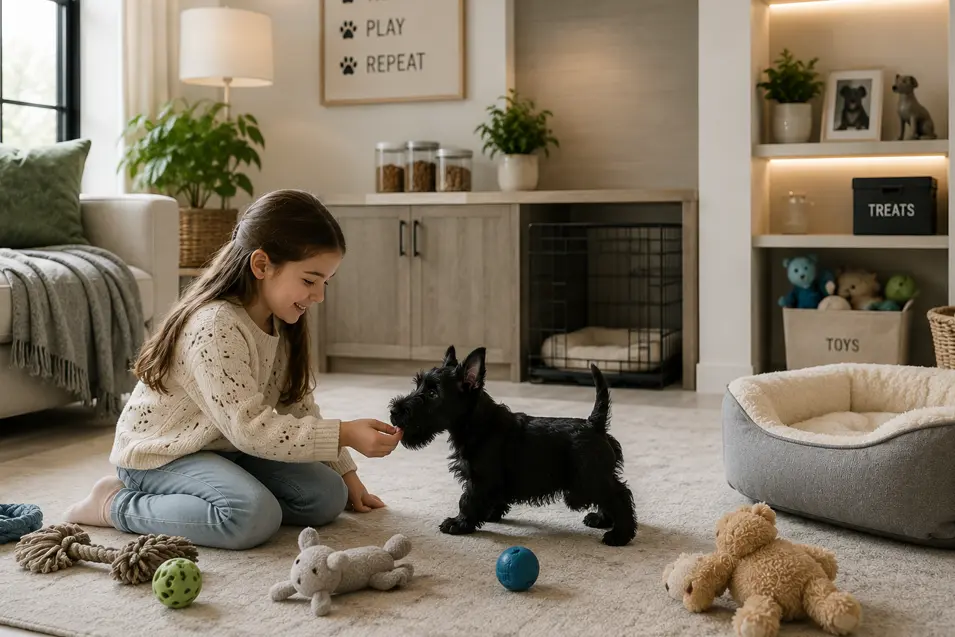
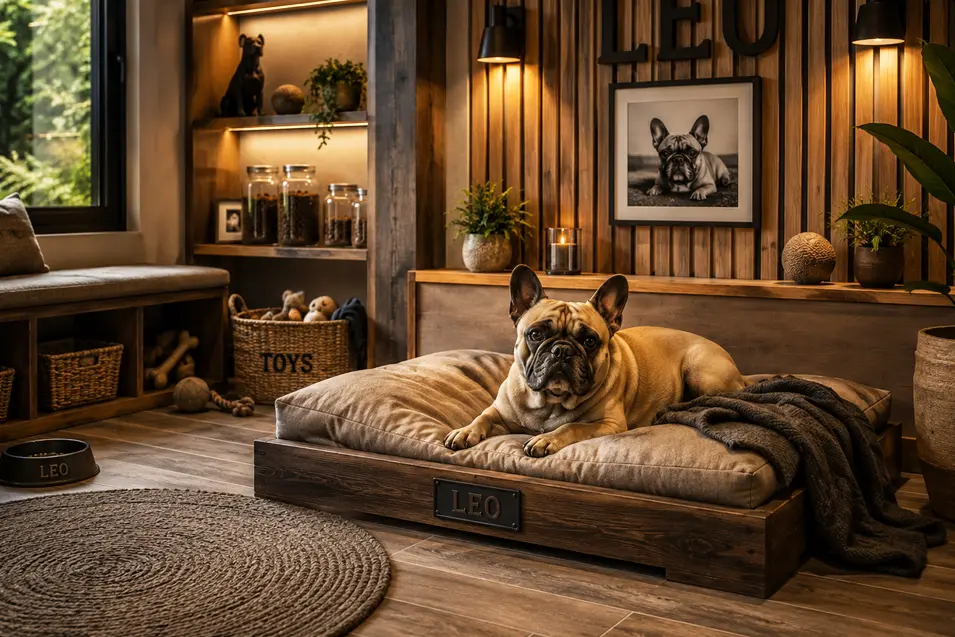
The idea of giving a dog their own room has become increasingly popular in recent years. Social media is filled with beautifully designed dog rooms featuring custom beds, built-in storage, feeding stations, toy organizers, and even dog-sized furniture.
For some pet owners, these dedicated spaces represent the ultimate expression of care and comfort. For others, the concept seems unnecessary, especially when dogs already spend most of their time with their families.
So should your dog have their own room?
The answer depends less on trends and more on your dog’s needs, your home, and how the space is used.
What Is a Dog Room?
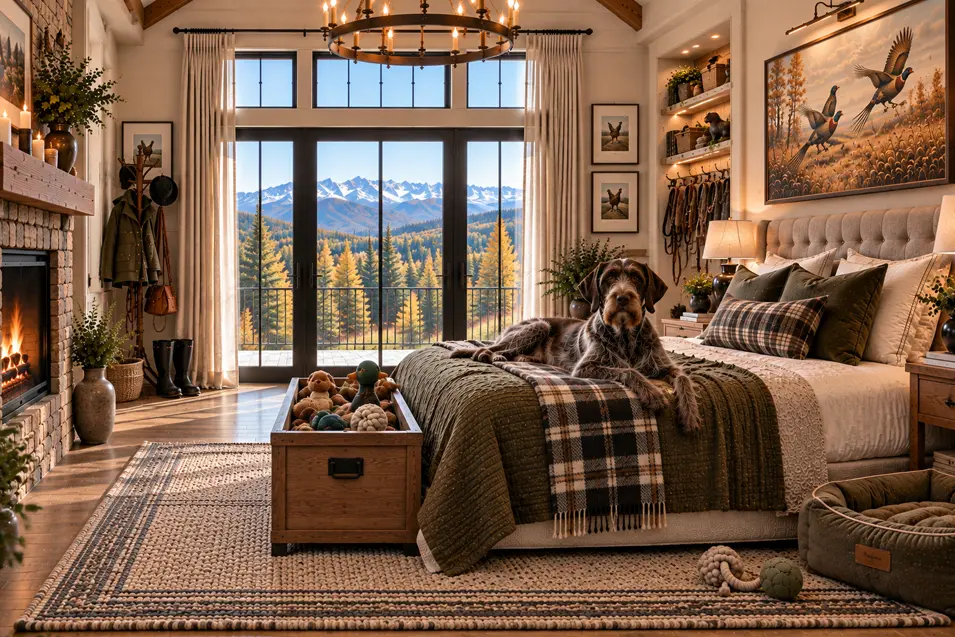
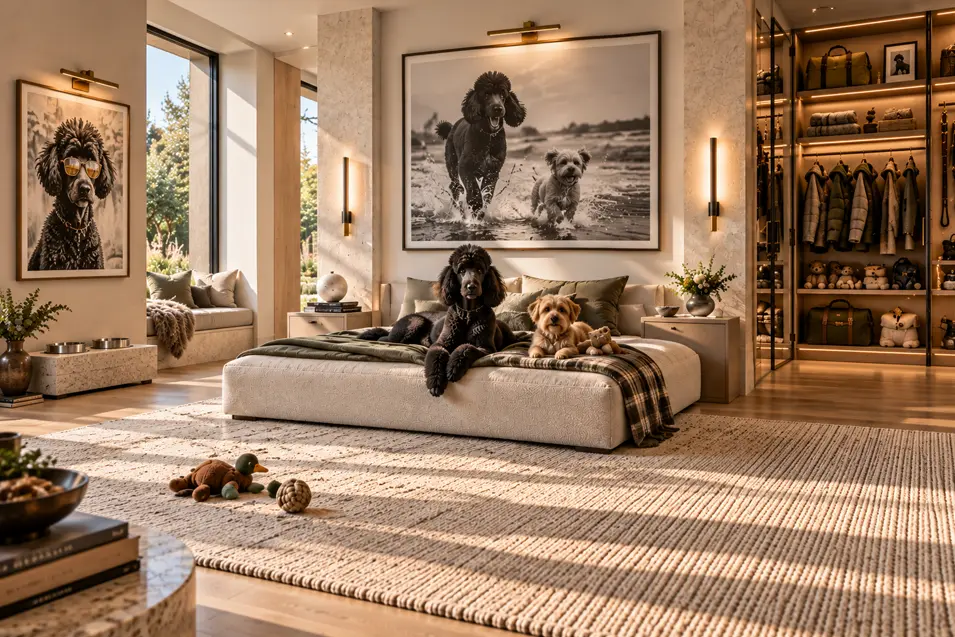
A dog room is a dedicated area of the home designed specifically for a dog’s comfort, safety, and daily activities.
Depending on the household, a dog room may include:
- A comfortable bed
- Feeding and watering stations
- Toy storage
- Crate space
- Grooming supplies
- Built-in cabinetry
- Pet-safe flooring
- Relaxation areas
Some homeowners convert spare bedrooms, while others incorporate dog rooms into new construction projects or home renovations.
The best dog rooms focus on function first and appearance second.
Dogs Don’t Need Luxury
One important thing to understand is that dogs don’t require a dedicated room to be happy.
Dogs care most about:
- Safety
- Comfort
- Routine
- Exercise
- Mental stimulation
- Time with their people
A dog would likely choose a simple bed beside its owner over an elaborate room where it spends most of its time alone.
This doesn’t mean dog rooms are a bad idea. It simply means that the room itself isn’t what creates happiness.
When a Dog Room Makes Sense
In some situations, a dedicated dog room can provide real benefits.
Examples include:
Multiple-Dog Households
Homes with several dogs often accumulate:
- Toys
- Beds
- Food supplies
- Grooming equipment
- Leashes
- Training gear
A dedicated space can help organize these items while reducing clutter throughout the rest of the house.
Active Families
Busy households may appreciate having a central location where pet supplies are stored and daily routines can be managed more efficiently.
Foster Homes
People who regularly foster animals often benefit from having a designated area that can accommodate changing needs while helping new pets adjust.
Dogs That Need Quiet Spaces
Some dogs naturally seek calm environments away from noise and activity.
A thoughtfully designed room can provide a retreat when pets need rest or downtime.
The Biggest Mistake Owners Make
One of the most common mistakes is treating a dog room like a substitute for family interaction.
Dogs are highly social animals.
Even the most beautiful room cannot replace:
- Daily companionship
- Exercise
- Training
- Family time
A dog room should be viewed as an additional resource, not a place where dogs are routinely isolated from the household.
The most successful dog rooms remain connected to the dog’s overall lifestyle.
Features That Actually Matter
When creating a dog room, practical features often provide the greatest value.
These include:
- Comfortable bedding
- Durable flooring
- Easy-to-clean surfaces
- Proper ventilation
- Organized storage
- Safe materials
- Access to water
These elements contribute directly to a dog’s comfort and well-being.
Expensive decorative upgrades may look impressive, but they rarely matter to the dog using the room.
Making the Room Part of the Home
A dedicated dog room should complement the rest of the home rather than feel disconnected from it.
Many homeowners successfully incorporate dog spaces into:
- Mudrooms
- Laundry rooms
- Finished basements
- Spare bedrooms
- Home offices
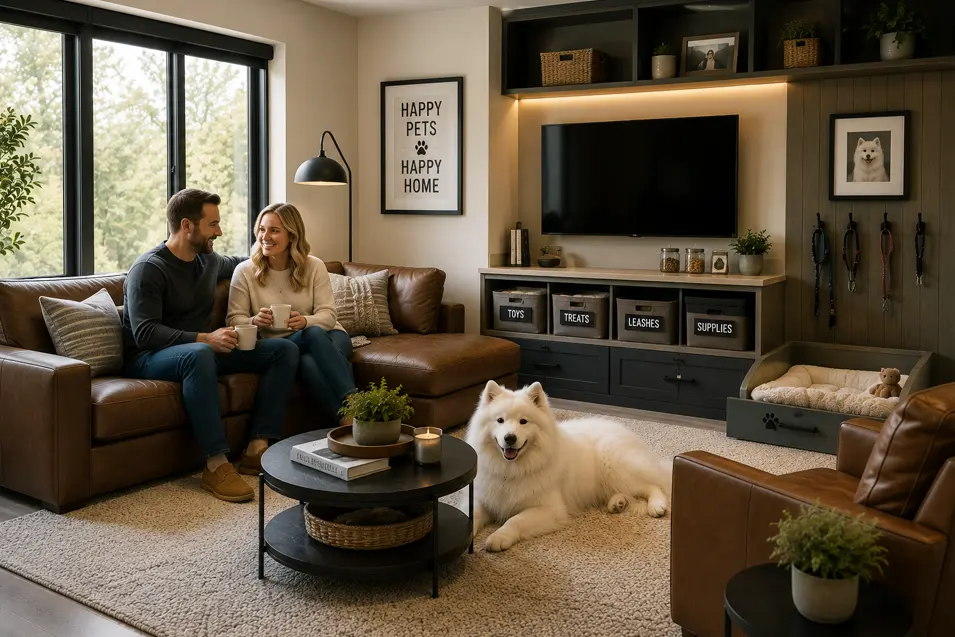
The goal is to create a space that supports daily life while maintaining the overall design and function of the home.
Alternatives to a Full Dog Room
Not every household has the space—or the need—for a dedicated dog room.
Fortunately, many benefits can be achieved through smaller pet-friendly design features.
Examples include:
- Built-in feeding stations
- Under-stair pet retreats
- Custom crate cabinetry
- Pet-friendly corners in living rooms
- Organized storage systems
- Comfortable resting areas throughout the home
These solutions often provide excellent functionality without requiring an entire room.
What Dogs Really Want
When people imagine a dream space for their dog, they often focus on the room itself.
Dogs usually focus on something much simpler.
Most dogs want:
- A comfortable place to sleep
- Access to fresh water
- Opportunities to play
- Time with their family
- A predictable routine
- A safe environment
A dedicated room can support these needs, but it cannot replace them.
So, Should Your Dog Have Their Own Room?
A dog room can be a wonderful addition to a home when it serves a practical purpose and genuinely improves daily life for both pets and owners.
However, dogs don’t need luxury spaces to feel loved and secure. They need comfort, consistency, and connection.
The best dog rooms aren’t designed to separate dogs from the family. They’re designed to support the role dogs already play within it.
If a dedicated room helps provide organization, comfort, and convenience, it may be a worthwhile investment. If not, many dogs will be perfectly content with a cozy bed, a favorite toy, and a place close to the people they love.