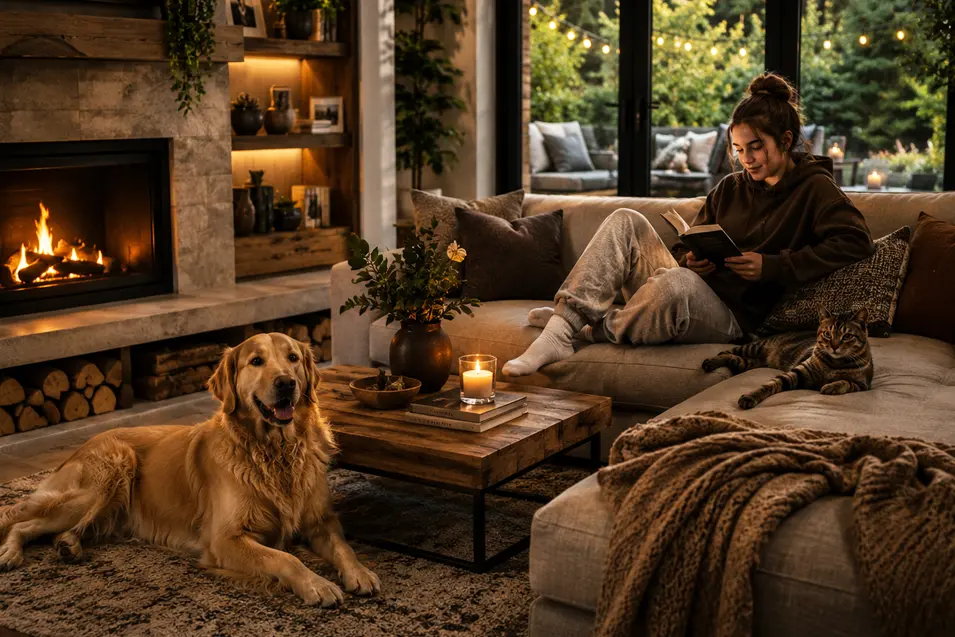
Pets bring companionship, comfort, and personality into a home. Unfortunately, they can also bring fur, scratches, muddy paws, drool, and the occasional accident.
For many homeowners, furniture becomes one of the biggest concerns. Sofas, chairs, ottomans, and other upholstered pieces often endure daily use from both humans and pets, making them vulnerable to wear and tear.
The good news is that protecting furniture doesn’t require banning pets from every room or covering everything with unattractive plastic sheets. With thoughtful choices and a few preventative measures, it’s possible to maintain beautiful furniture while enjoying life with dogs and cats.
Start With the Right Fabric
One of the best ways to protect furniture begins before pets ever climb onto it.
Certain fabrics perform significantly better in pet-friendly homes.
Popular choices include:
- Microfiber
- Performance fabrics
- Tightly woven synthetic materials
- Leather
- High-durability upholstery fabrics
These materials tend to resist stains, pet hair, and claw damage better than more delicate alternatives.
Choosing pet-friendly upholstery can dramatically reduce maintenance over time.
Be Careful With Delicate Fabrics
Some furniture materials simply aren’t ideal for households with pets.
These often include:
- Silk
- Velvet
- Loose-weave fabrics
- Delicate decorative textiles
Claws can easily snag certain materials, while stains and pet hair may prove difficult to remove.
While these fabrics may look beautiful, they often require more effort to maintain in active pet households.
Use Washable Furniture Covers
Furniture covers have improved dramatically in recent years.
Today’s options can be:
- Stylish
- Washable
- Custom-fitted
- Easy to remove
- Available in designer fabrics
A quality cover provides protection against:
- Fur
- Dirt
- Moisture
- Minor accidents
- Everyday wear
For many homeowners, covers offer an affordable way to extend furniture life without sacrificing appearance.
Keep Pet Nails Trimmed
One of the simplest ways to protect furniture is also one of the most effective.
Regular nail maintenance helps reduce:
- Scratches
- Fabric snags
- Accidental damage
Both dogs and cats benefit from proper nail care.
While trimming won’t eliminate all wear, it can significantly reduce the impact pets have on furniture surfaces.
Create Appealing Alternatives
Many pets use furniture because it’s comfortable, elevated, and close to their favorite people.
Instead of constantly discouraging furniture use, consider providing attractive alternatives.
Examples include:
- Comfortable pet beds
- Elevated dog beds
- Window perches
- Cat trees
- Cozy resting areas
When pets have spaces designed specifically for them, they may be less likely to claim every chair and sofa in the house.
Address Scratching Behavior
Cats scratch for a variety of natural reasons.
Scratching helps them:
- Stretch muscles
- Mark territory
- Maintain claw health
- Relieve stress
The goal shouldn’t be eliminating scratching behavior. Instead, homeowners should redirect it appropriately.
Providing:
- Scratching posts
- Scratching pads
- Cat trees
can help reduce interest in furniture surfaces.
Placement matters as well. Scratching alternatives should be located near areas cats already enjoy.
Protect High-Risk Areas
Certain parts of furniture tend to experience the most damage.
Common trouble spots include:
- Sofa arms
- Chair corners
- Cushions
- Ottoman edges
Protective products such as arm covers and corner guards can help preserve these vulnerable areas while remaining relatively discreet.
Establish Cleaning Routines
Even well-behaved pets contribute to wear over time.
Regular cleaning helps remove:
- Fur
- Dirt
- Dander
- Oils
- Odors
Consistent maintenance prevents buildup and helps furniture retain its appearance longer.
A few minutes of routine care often prevents much larger cleaning projects later.
Train Consistently
Clear and consistent expectations can help reduce furniture-related issues.
If certain furniture is off-limits, every member of the household should follow the same rules.
Mixed signals often confuse pets and make training less effective.
Consistency is usually more important than strictness.
Consider Furniture Placement
Thoughtful room design can also help protect furniture.
For example:
- Positioning pet beds near seating areas keeps pets close to family members.
- Avoiding furniture placement directly beside windows may reduce cat climbing.
- Creating designated pet zones can reduce competition for favorite spots.
Small layout adjustments can have a surprisingly positive impact.
Design for Real Life
One of the biggest mistakes homeowners make is purchasing furniture that doesn’t match how they actually live.
A home shared with pets experiences different demands than a showroom.
Rather than choosing furniture based solely on appearance, successful pet owners consider:
- Durability
- Maintenance requirements
- Daily use
- Long-term performance
Beautiful homes aren’t created by avoiding life. They’re created by designing for it.
A Home That Works for Everyone
Dogs and cats are part of the family, and their presence naturally influences how a home functions.
Protecting furniture doesn’t mean treating pets as a problem. It means creating an environment where pets and furnishings can coexist successfully.
With the right materials, preventative measures, and realistic expectations, homeowners can enjoy beautiful furniture without constantly worrying about every paw print, claw mark, or tuft of fur.
After all, furniture is meant to be lived with—and for many families, that includes sharing it with the pets they love.