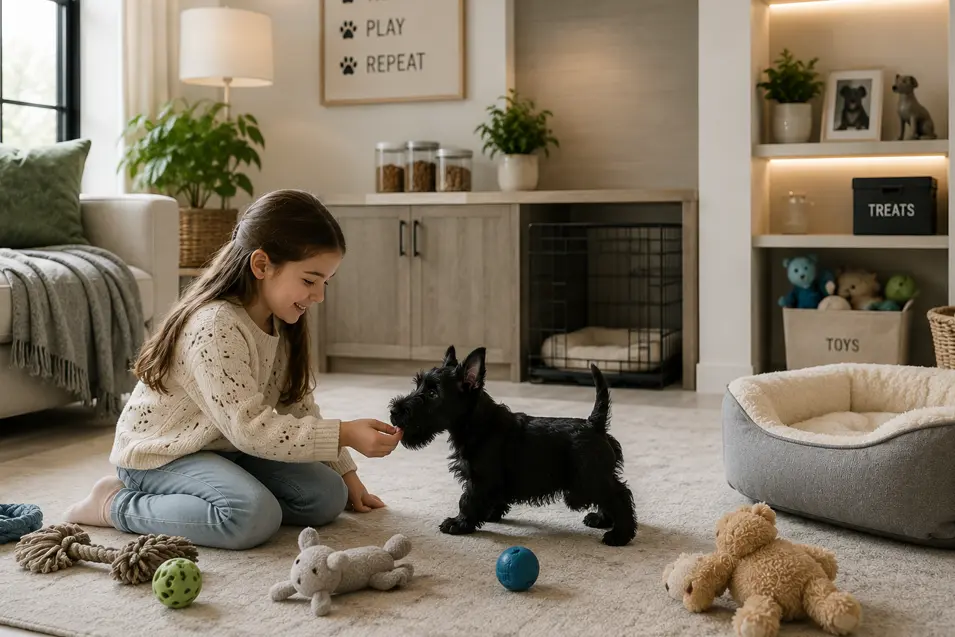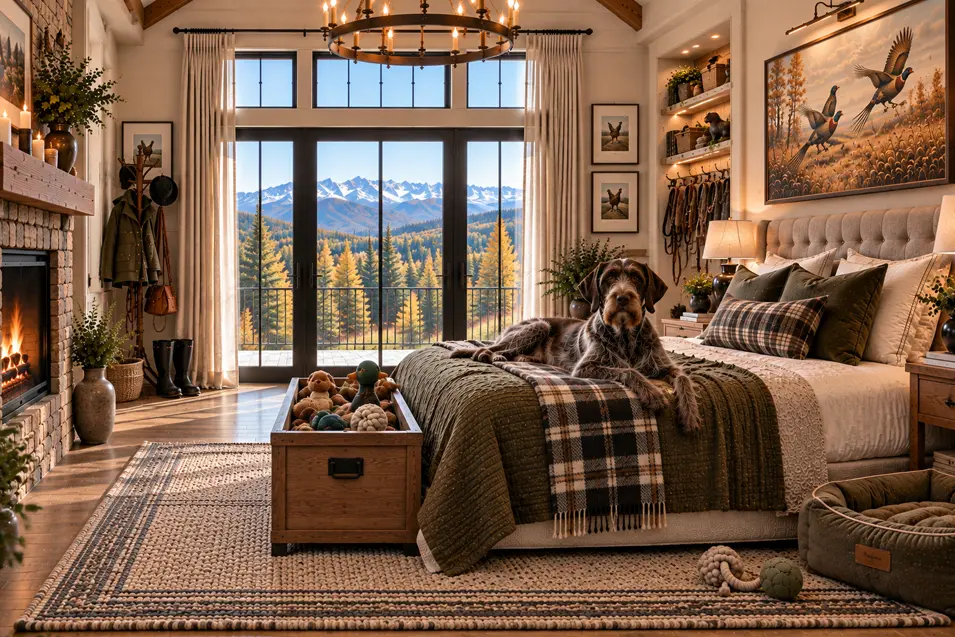
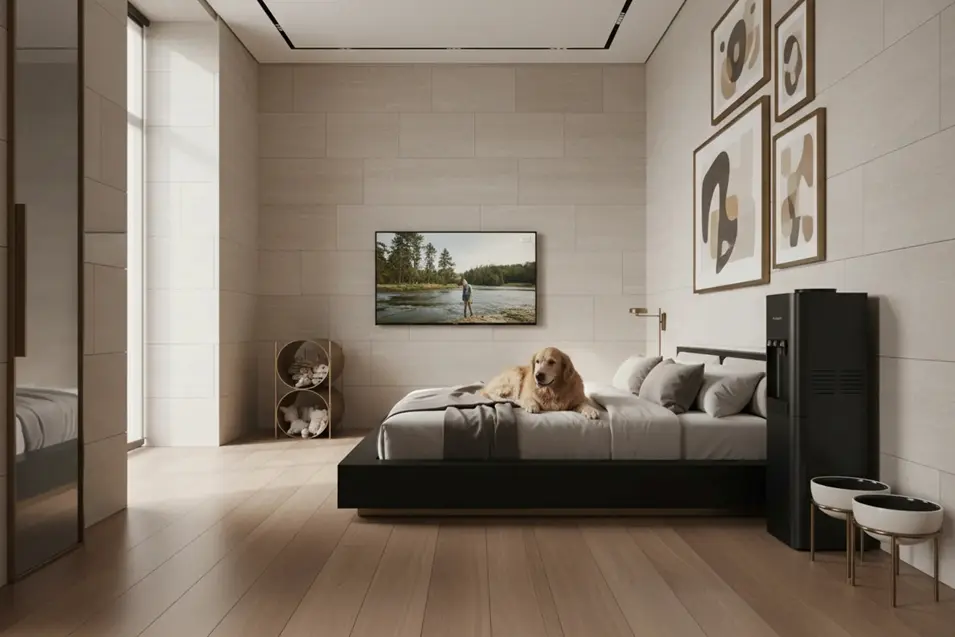
Dedicated dog rooms have become increasingly popular among pet owners. Whether it’s a spare bedroom, a finished basement, a mudroom, or a custom-built space, a dog room can provide comfort, security, and organization for both pets and their owners. When designed properly, these spaces can serve as a retreat where dogs can relax, play, eat, and sleep.
However, many well-intentioned pet owners make mistakes during the planning process that limit the room’s usefulness or even create safety concerns. While every dog has unique needs, there are several common pitfalls that can prevent a dog room from becoming the comfortable sanctuary owners envision.
Prioritizing Appearance Over Function
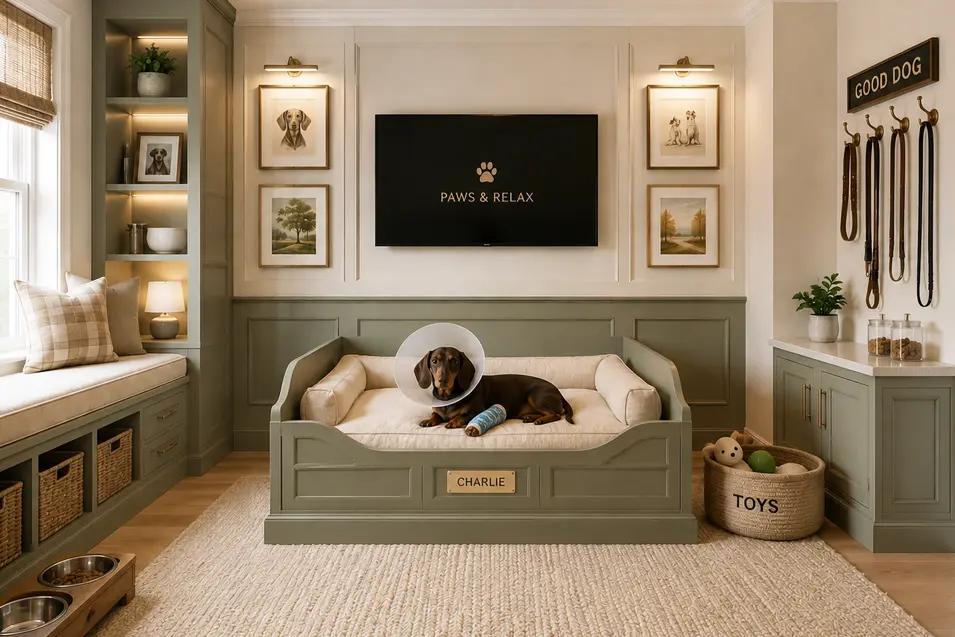
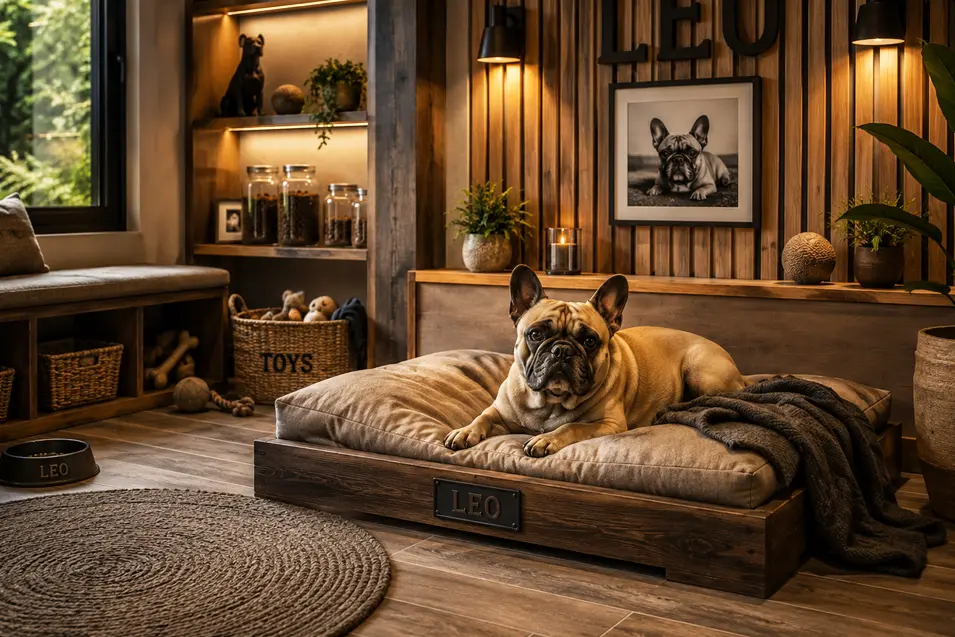
One of the biggest mistakes people make is focusing too heavily on aesthetics while overlooking functionality. Social media and home design websites are filled with beautiful dog rooms featuring custom furniture, decorative accessories, and elaborate themes. While these spaces may look impressive, they don’t always meet a dog’s practical needs.
Dogs care far more about comfort, security, and accessibility than matching color palettes. A stylish room with poor flooring, inadequate ventilation, or uncomfortable bedding won’t serve its purpose. Before choosing decorative elements, focus on creating a space that supports your dog’s daily habits and well-being.
Choosing the Wrong Flooring
Flooring is one of the most important decisions when designing a dog room, yet it is often overlooked. Carpeting may seem cozy, but it can trap pet hair, odors, moisture, and allergens. It can also become difficult to clean after accidents.
On the other hand, some hard flooring surfaces may become slippery and uncomfortable for older dogs or breeds prone to joint issues.
The best dog room flooring is typically durable, easy to clean, moisture-resistant, and provides adequate traction. Vinyl, sealed concrete, and certain pet-friendly laminate products are often practical choices.
Ignoring Ventilation and Air Quality
Many dog rooms are created in basements, laundry rooms, garages, or spare spaces that may not receive optimal airflow. Poor ventilation can lead to odors, humidity problems, and uncomfortable temperatures.
Dogs are sensitive to their environment, and stagnant air can contribute to discomfort over time. In humid spaces, excess moisture may even encourage mold growth, which can affect both pets and people.
Ensure the room has adequate airflow, proper temperature control, and access to fresh air whenever possible. Air purifiers and dehumidifiers may also help improve overall air quality.
Creating a Space That’s Too Small
A common misconception is that dogs only need enough room for a bed and a few toys. While dogs certainly appreciate cozy resting areas, they also need enough space to move around comfortably.
A cramped room may feel restrictive, particularly for larger breeds or highly active dogs. Dogs should have enough room to stretch out, stand comfortably, turn around easily, and access food, water, and resting areas without obstruction.
When planning a dog room, think about how your dog naturally behaves throughout the day and design the space accordingly.
Forgetting About Mental Stimulation
Many dog rooms focus exclusively on physical comfort while neglecting mental enrichment. Dogs require stimulation to prevent boredom, anxiety, and destructive behavior.
A room filled with nothing but a bed may quickly become uninteresting, especially for intelligent or energetic breeds.
Consider including:
- Puzzle toys
- Interactive feeders
- Rotating toy collections
- Chew items
- Window views
- Training activities
Mental engagement helps keep dogs happier and may reduce stress when spending time alone.
Poor Storage Planning
Dog supplies tend to accumulate quickly. Food, treats, leashes, grooming tools, medications, toys, bedding, and cleaning supplies all require storage.
Without proper organization, even a well-designed dog room can become cluttered and difficult to maintain.
Built-in cabinets, shelving, storage benches, and labeled containers can help keep supplies accessible while maintaining a clean and organized environment.
Overlooking Safety Hazards
Some homeowners create dog rooms without fully evaluating potential safety risks. Exposed electrical cords, cleaning products, sharp corners, unstable furniture, and small objects can all create hazards.
Dogs naturally explore their surroundings through chewing, sniffing, and investigation. What seems harmless to humans may pose a danger to a curious pet.
Before introducing your dog to the room, inspect it carefully from their perspective and remove anything that could be chewed, swallowed, tipped over, or damaged.
Not Considering Your Dog’s Age
A dog room that works perfectly for a young adult dog may not meet the needs of a puppy or senior pet.
Puppies may require:
- Extra supervision
- Chew-resistant materials
- Secure barriers
- Frequent cleaning
Senior dogs may benefit from:
- Orthopedic bedding
- Non-slip flooring
- Easy access to food and water
- Improved lighting
- Comfortable room temperatures
Designing with your dog’s current and future needs in mind can help the space remain functional for years.
Making the Room Feel Isolated
A dog room should provide comfort and security, but it should not feel like a place of isolation. Dogs are social animals that thrive on interaction with their families.
Some owners unintentionally create rooms that separate pets from household activities for long periods. This can lead to boredom, anxiety, or feelings of exclusion.
Whenever possible, create a space that allows your dog to feel connected to the rest of the household. Windows, open layouts, regular interaction, and supervised access to family areas can help maintain that connection.
Forgetting Easy Cleaning Features
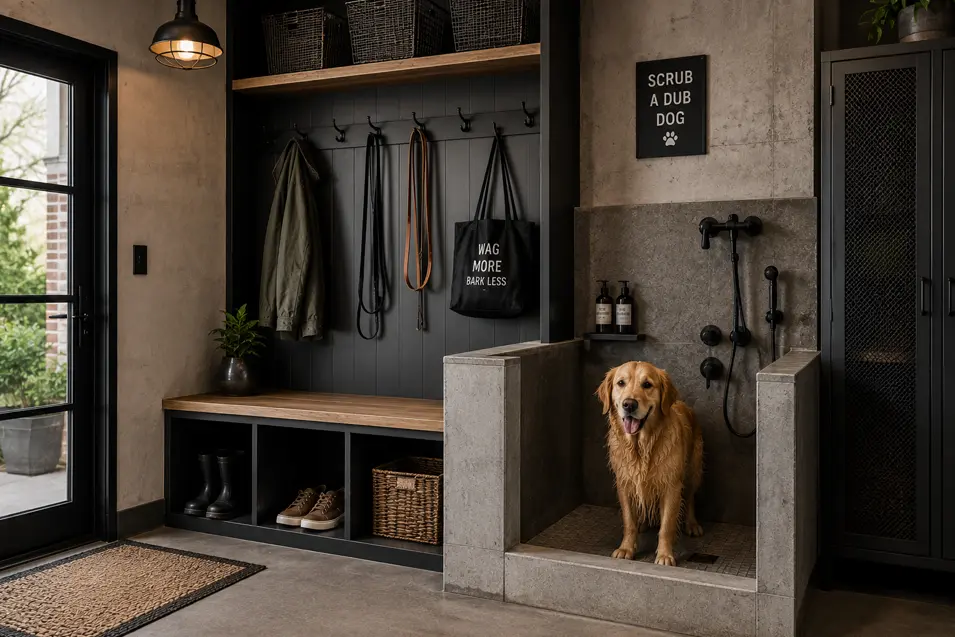
No matter how well-trained a dog may be, accidents, muddy paws, shedding, and spills are inevitable. A dog room should be designed with cleaning in mind.
Washable surfaces, removable bedding covers, durable finishes, and accessible storage can make routine maintenance much easier. The easier a room is to clean, the more enjoyable it will be for both pets and owners.
Creating a Dog Room That Truly Works
The best dog rooms balance comfort, safety, functionality, and enrichment. Rather than focusing solely on appearance, successful designs prioritize the everyday needs of the dog using the space.
By avoiding common mistakes such as poor flooring choices, inadequate ventilation, lack of stimulation, and insufficient planning, pet owners can create a room that enhances their dog’s quality of life while making daily care more convenient.
A thoughtfully designed dog room isn’t just a luxury feature—it can become a safe, welcoming retreat where your dog feels comfortable, secure, and truly at home.