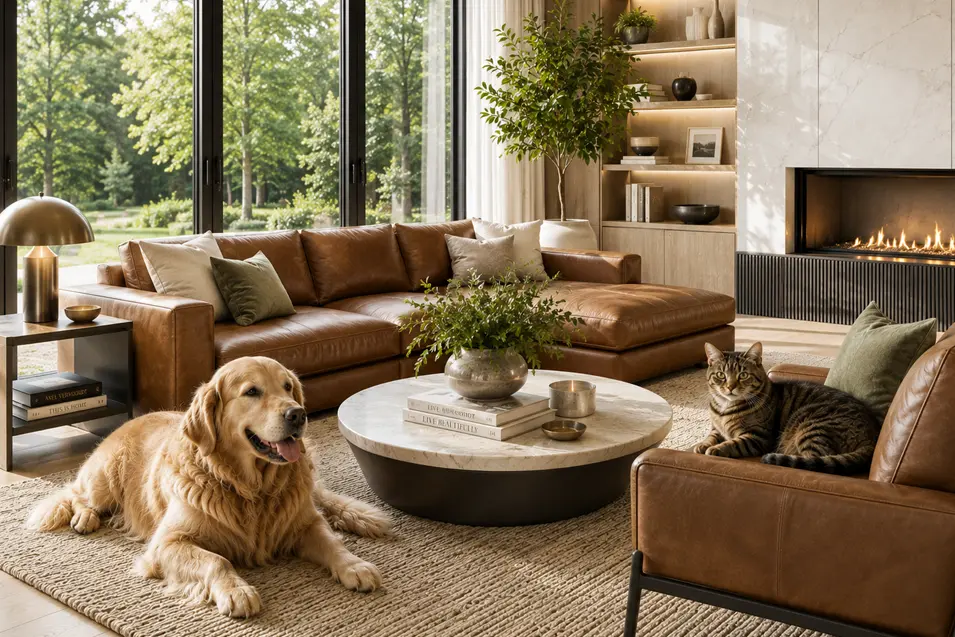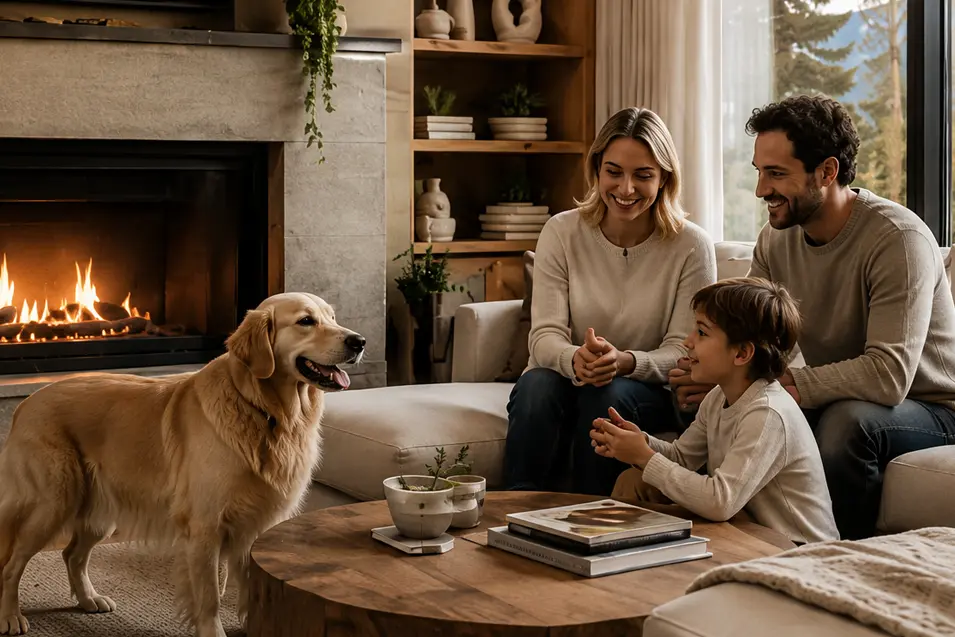
For many families, the living room is the heart of the home. It’s where we relax after a long day, watch movies, entertain guests, and spend quality time with our pets. Unfortunately, it’s also one of the easiest places to overlook potential hazards and everyday mistakes that can impact your pet’s safety, comfort, and happiness.
Whether you share your home with a playful puppy, a curious cat, or a senior pet enjoying retirement, avoiding a few common mistakes can help create a living space that’s both stylish and pet-friendly.
1. Choosing Furniture Without Considering Your Pet
Many pet owners fall in love with furniture based on appearance alone. While that cream-colored couch may look stunning in a showroom, it may not be the best choice for a home filled with shedding dogs or active cats.
Some fabrics attract fur, show stains easily, and can be damaged by claws. Before making a major furniture purchase, consider materials that are durable, easy to clean, and resistant to wear.
Performance fabrics, leather, and microfiber are often popular choices among pet owners because they stand up well to daily use.
2. Leaving Electrical Cords Exposed
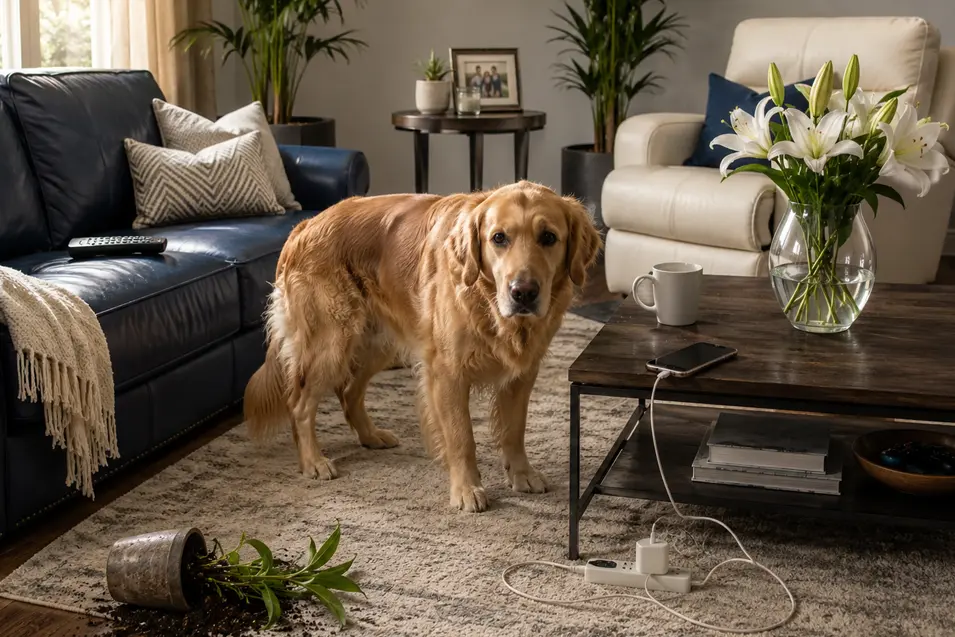
Electrical cords are often overlooked until a pet decides they’re a chew toy.
Puppies, kittens, rabbits, and even some adult pets may chew on dangling cords out of curiosity or boredom. Damaged cords can result in burns, electrical shock, or even house fires.
Use cord organizers, cable sleeves, or furniture placement to keep cords out of reach whenever possible.
3. Ignoring Traction on Hard Floors
Hardwood, laminate, and tile flooring may look beautiful, but they can be difficult for pets to navigate.
This is especially true for senior dogs, large breeds, and pets with joint problems. Slippery surfaces can increase the risk of falls and make everyday movement uncomfortable.
Adding non-slip area rugs or runners can provide better traction and help pets move confidently throughout the room.
4. Keeping Toxic Plants Within Reach
Houseplants can add life and color to a living room, but not all plants are pet-safe.
Many popular varieties can cause serious health problems if chewed or ingested. Cats, in particular, are known for investigating plants, while some dogs simply enjoy tasting anything they can reach.
Before bringing a new plant into your home, verify that it is safe for pets and place potentially harmful plants in areas your pets cannot access.
5. Leaving Small Objects on Tables and Shelves
Pets are surprisingly skilled at finding trouble.
Remote controls, batteries, earbuds, coins, and children’s toys often end up on coffee tables or side tables where curious pets can access them.
While some items simply create a mess, others can pose serious choking hazards or lead to intestinal blockages if swallowed.
Getting into the habit of putting small items away can help prevent an unexpected trip to the veterinarian.
6. Overlooking Window Safety
Many cats and dogs love spending time near windows, watching the world go by.
However, damaged screens, unsecured windows, or loose window coverings can create safety concerns. Cats may push against weakened screens, while dogs can become excited by wildlife or passing pedestrians.
Regularly inspect screens and window hardware to ensure they remain secure.
7. Using Scented Products Without Considering Pets
Candles, wax warmers, air fresheners, and essential oil diffusers are commonly used to keep living rooms smelling fresh.
While many products are safe when used properly, some fragrances and essential oils may irritate sensitive pets or create health concerns, particularly for cats and birds.
If you enjoy scented products, choose pet-safe options and ensure the room remains well ventilated.
8. Not Providing a Dedicated Pet Space
Every pet benefits from having a place they can call their own.
Without a designated area, pets often claim the couch, your favorite chair, or the center of the room as their personal territory.
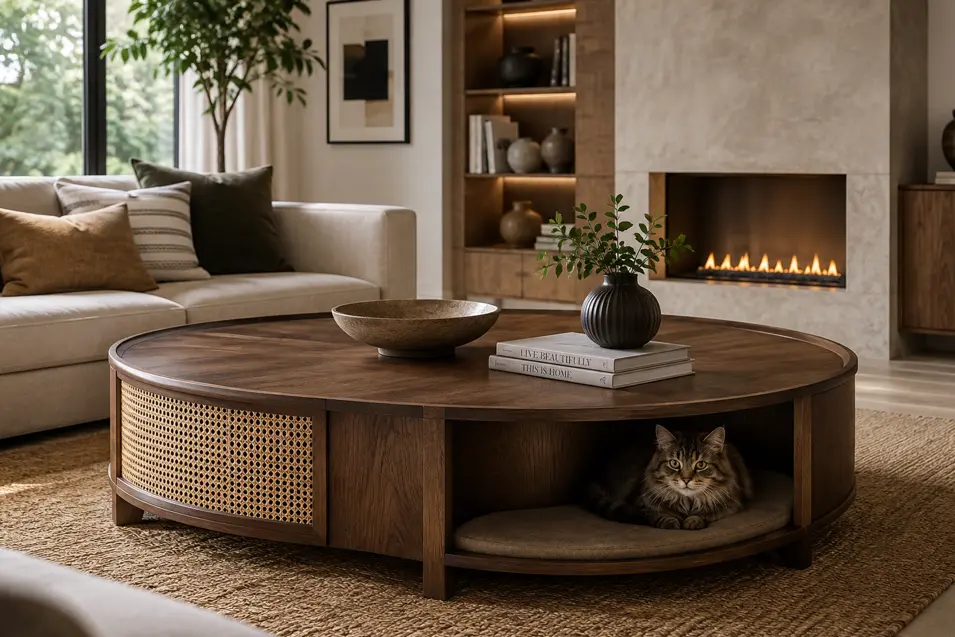
Providing a comfortable pet bed, blanket, or resting area helps create a sense of security and gives your pet a place to relax when they need quiet time.
9. Forgetting About Hidden Dirt and Pet Hair
Even homes that appear clean can accumulate significant amounts of pet hair and dust behind furniture.
Over time, this buildup can contribute to odors, trigger allergies, and make cleaning more difficult.
Moving furniture periodically and vacuuming hard-to-reach areas can help maintain a cleaner and healthier living environment for both pets and people.
10. Assuming Your Pet Would Never Get Into Trouble
Perhaps the biggest mistake of all is believing your pet would never chew that cord, jump on that table, or swallow that object.
Many pet emergencies begin with owners saying, “They’ve never done that before.”
Pets are naturally curious, and even well-behaved animals can make unexpected choices. Taking a few minutes to view your living room from your pet’s perspective can reveal hazards you may have overlooked.
Creating a Living Room That Works for Everyone
A pet-friendly living room doesn’t have to sacrifice style or comfort. In fact, the best spaces are designed with both people and pets in mind.
By choosing durable materials, reducing hazards, and creating a welcoming environment for your furry family members, you can enjoy a living room that looks great while keeping everyone safe and comfortable.
A few small adjustments today can help prevent accidents tomorrow—and make your home a more enjoyable place for every member of the family.