
That’s one of the questions behind our vision for the World’s Most Pet Friendly House.
We’re exploring how thoughtful architecture, interior design, landscaping, and everyday household products can make living with pets easier, safer, cleaner, and more enjoyable. And we believe a pet-friendly home should be just as beautiful and comfortable for the people who live there.
From built-in dog showers and dedicated pet rooms to clever storage, beautiful artwork, and durable flooring, there are countless possibilities worth exploring.
Not every idea will make it into the finished house. Some may prove too expensive, impractical, or unnecessary. Others could become defining features of the project.
Here are some of the ideas we’re considering.
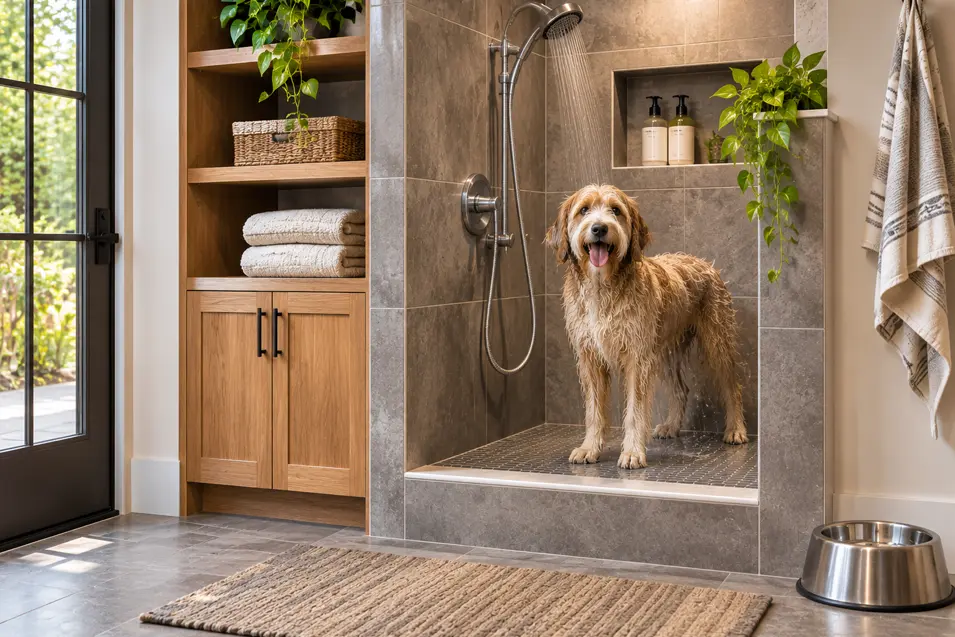
Anyone who has tried washing a muddy dog in a bathtub knows it isn’t always a pleasant experience.
A dedicated dog shower could be one of the most practical features in the house. Ideally located near an exterior entrance, mudroom, or laundry area, it would provide a convenient place to wash dirty paws, rinse muddy coats, and clean up after outdoor adventures.
We’re considering features such as a handheld showerhead, adjustable water temperature, nonslip surfaces, waterproof walls, and convenient storage for shampoos and towels.
The challenge is designing something functional without creating an unnecessarily expensive addition to the home.
Article: 10 Stylish Mudrooms Designed for Dog Owners (With Built-In Dog Wash Stations)
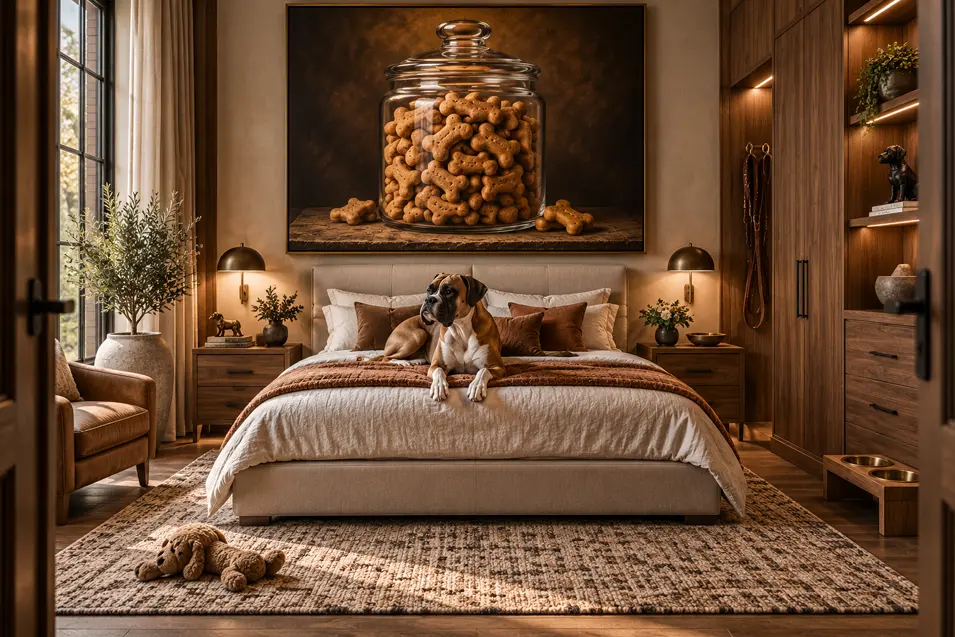
If everyone else in the family gets a bedroom designed around their personality and comfort, why shouldn’t the dogs?
This is one area of the Pet Friendly House where we’re considering going a little over the top. We’re imagining a beautifully designed bedroom exclusively for the dogs, complete with proper beds, luxurious bedding, beautiful artwork, thoughtful lighting, storage, and all the little extras that make a room feel special.
It wouldn’t be a kennel or a spare room with a couple of dog beds on the floor. It would be a genuine bedroom, designed with the same attention to detail we’d give any other room in the house.
Of course, we’d still consider practical details such as washable fabrics, durable flooring, ventilation, and safety.
But the bigger idea is simple: Our dogs are part of the family, and we’d like their room to reflect that.
Article: 20 Beautiful Dog Rooms Designed With Style
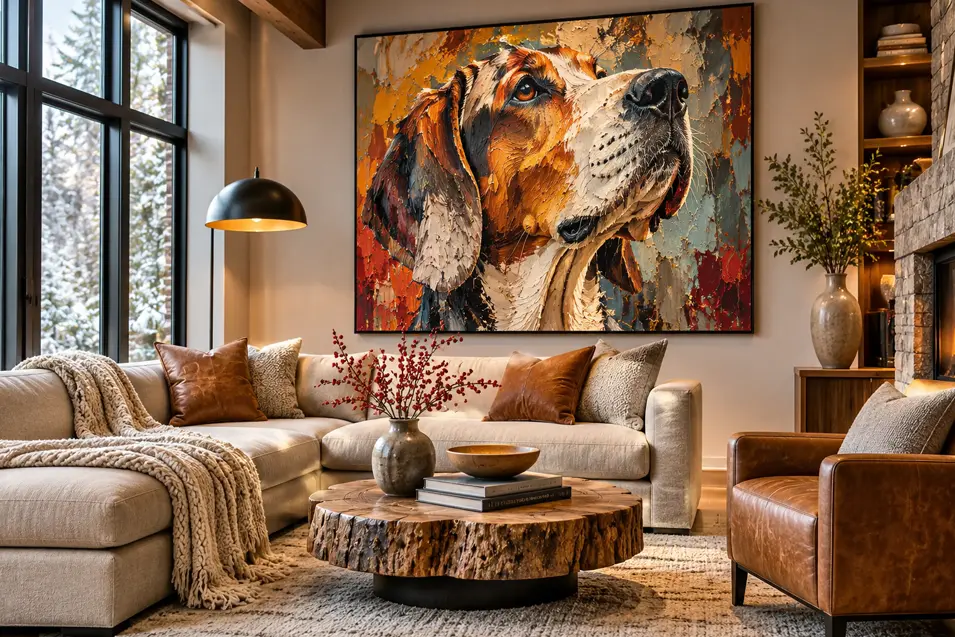
A pet-friendly house doesn’t need walls covered in cartoon dogs, novelty signs, or predictable decorations.
We want to explore how original dog and cat artwork can become a meaningful part of a home’s interior design.
That might include oversized photographic prints, contemporary paintings, sculptural pieces, custom pet portraits, or unexpected artwork that adds personality to a room.
The goal is to demonstrate that pet-inspired art can be sophisticated, playful, provocative, or deeply personal.
A beautiful piece of art should stand on its own, whether the subject happens to be a dog, a cat, or something else entirely.
Article: Dog Art for People Who Don’t Want Boring Dog Art
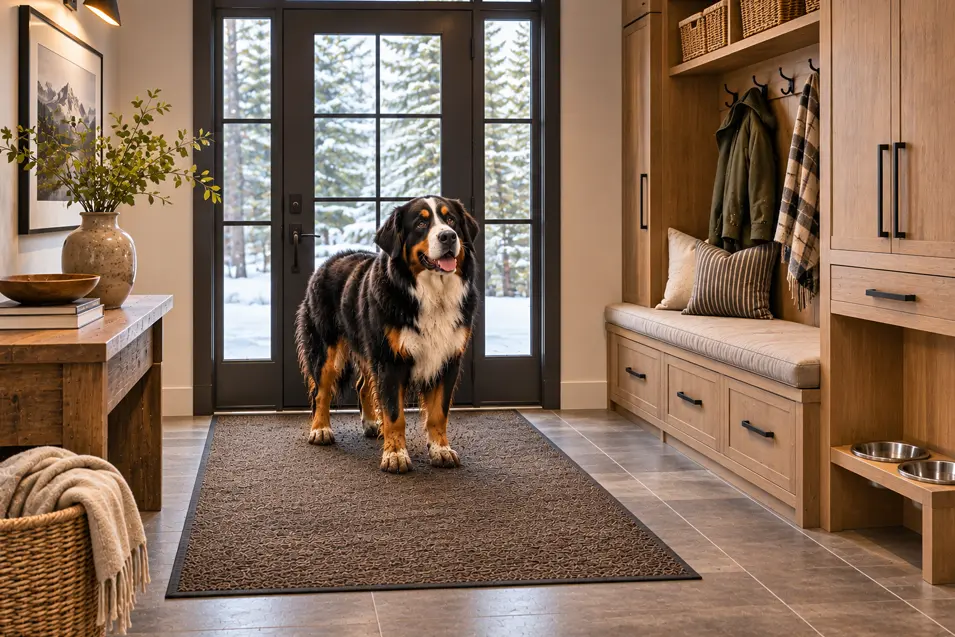
One of the biggest challenges of living with dogs is what they bring into the house.
Mud, snow, rainwater, sand, and dirt can quickly make their way across an otherwise beautiful floor.
We’re considering an entryway designed specifically to help manage that problem.
Recessed doormats, durable flooring, washable runners, storage for towels, and a convenient place to remove wet boots could all play a role.
The best solution may not be complicated. It could simply involve choosing the right materials and thinking carefully about how people and pets enter the home.
Article: Entryway Design Ideas for Dog Owners
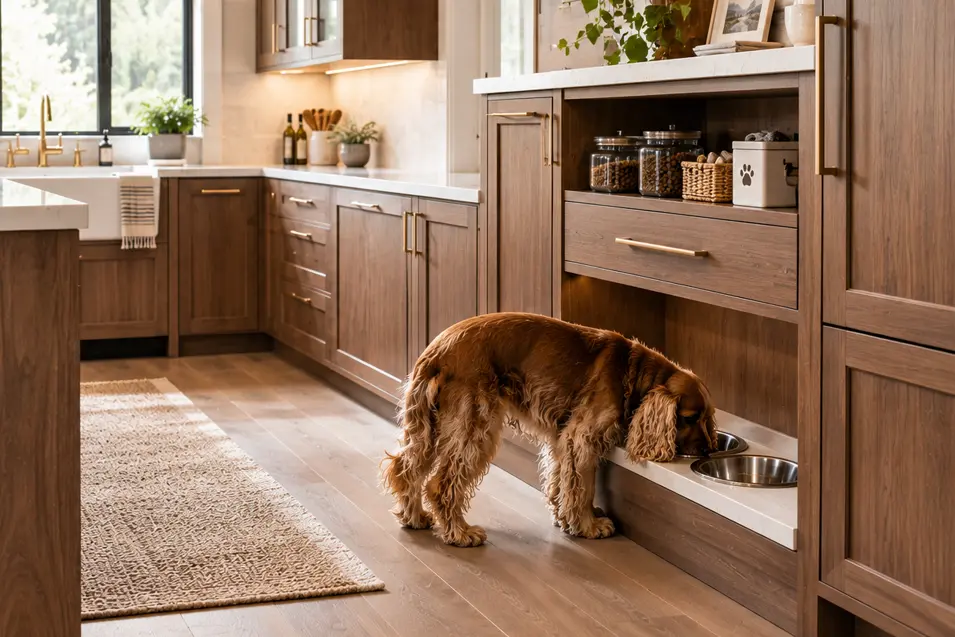
Food and water bowls are essential, but they aren’t always attractive or conveniently located.
A built-in feeding station could provide a dedicated space for meals without leaving bowls in the middle of a busy kitchen.
We’re exploring ideas such as recessed feeding areas, removable bowls, easy-clean surfaces, and nearby storage for food and supplies.
Any design would need to accommodate different dog sizes, comfortable feeding positions, and easy access for cleaning.
The objective isn’t to hide a dog’s food and water. It’s to integrate feeding into the home’s design in a practical, attractive way.
Article: Luxury Dog Feeding Stations That Belong in a Fine Art Gallery
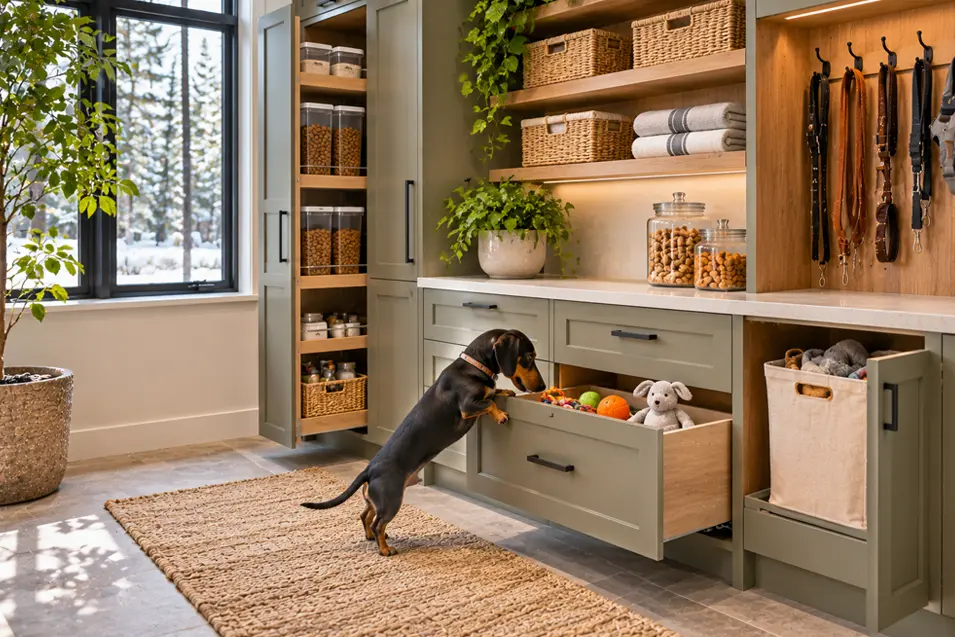
Living with pets means accumulating things.
Food bags, treats, grooming tools, leashes, toys, medications, and cleaning supplies all need somewhere to go.
Rather than allowing those items to take over kitchen counters and closets, we’d like to explore storage designed specifically for pet ownership.
Pull-out drawers, sealed food containers, leash hooks, dedicated cupboards, and organized grooming stations could make daily routines easier.
Good storage might not be the most exciting feature in the house, but it could become one of the most appreciated.
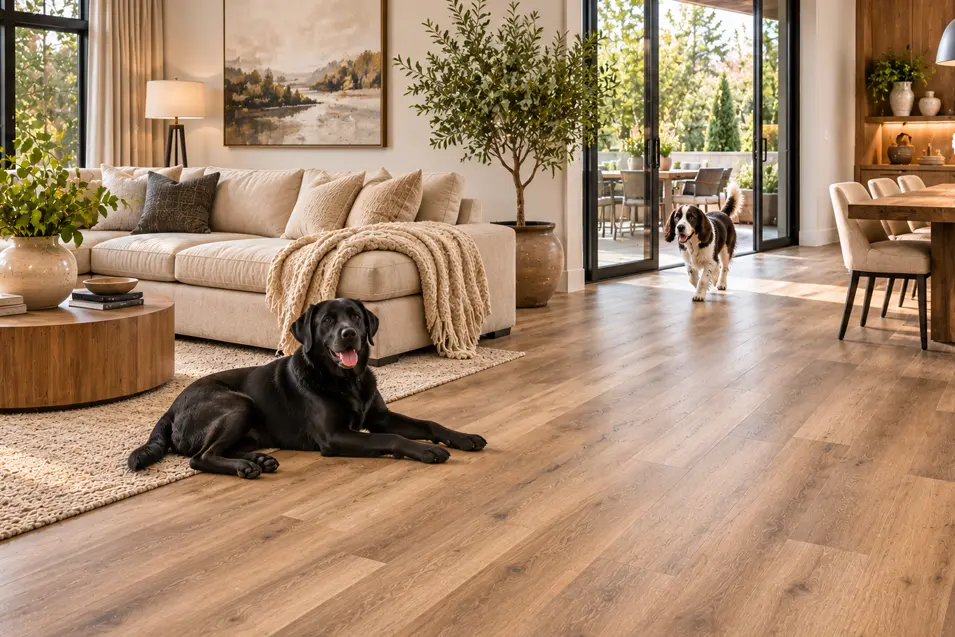
Flooring is one of the most important decisions in a pet-friendly home.
It needs to look beautiful while standing up to claws, muddy paws, occasional accidents, and everyday wear.
But durability is only part of the equation.
Traction matters too, particularly for older dogs and pets with mobility problems. A surface that looks spectacular in photographs may be uncomfortable or slippery for an animal walking across it.
We’re interested in comparing flooring materials based on appearance, maintenance, moisture resistance, scratch resistance, traction, and cost.
The goal is to find attractive flooring that works for the entire household.
Article: Best Flooring for Homes With Large Dogs
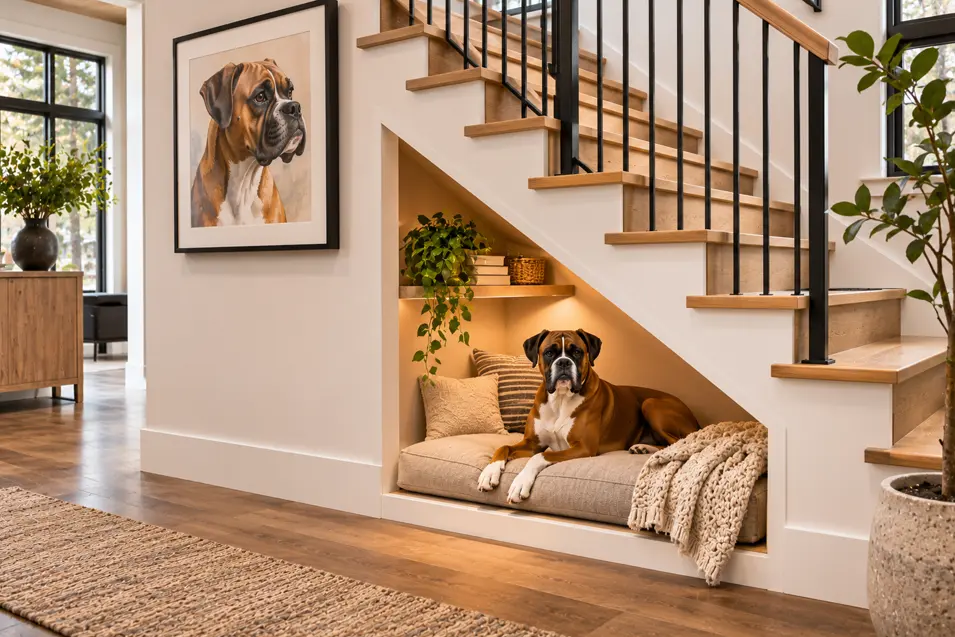
The area beneath a staircase is often wasted or used for miscellaneous storage.
Could it become a comfortable sleeping retreat for a dog?
With appropriate ventilation, lighting, accessible openings, and a washable sleeping surface, an under-stair area might provide a quiet, cozy space without sacrificing a full room.
The design would need to accommodate the dog’s size and ensure the space remains comfortable and easy to clean.
It’s a good example of how thoughtful planning can make better use of existing square footage rather than increasing the size of the house.
Article: Built-In Dog Kennels That Make the Most of Under-Stair Space
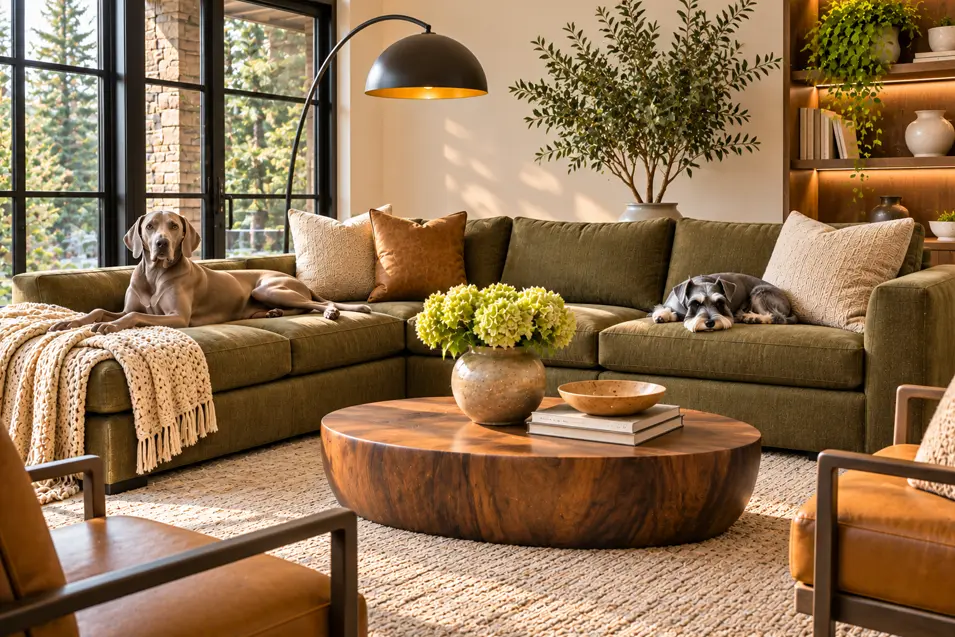
Beautiful furniture and pets don’t have to be incompatible.
We’re interested in exploring sofas, chairs, beds, and other furnishings designed to withstand the realities of living with animals.
That includes upholstery fabrics that are easier to clean, materials that resist everyday wear, removable cushion covers, and furniture layouts that accommodate pets without disrupting the room.
We also want to consider how furniture affects a pet’s comfort and mobility.
The challenge is finding solutions that don’t make the house look like everything was selected purely for durability.
It should still feel like a beautiful home.
Article: 12 Great Sofas, According to Dogs
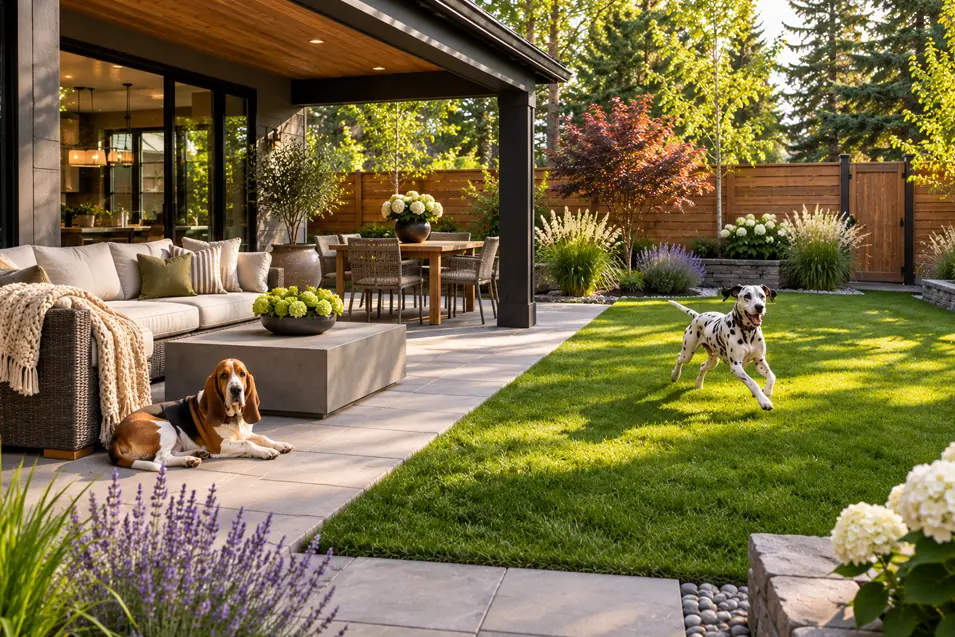
A fenced yard is a good starting point, but there’s much more to consider when designing an outdoor space for pets.
We’d like to explore secure fencing, shaded resting areas, comfortable walking surfaces, pet-safe plants, and landscaping that accommodates dogs without turning the entire yard into a designated dog run.
Drainage, lawn durability, waste management, and access to fresh water are also worth considering.
The ideal backyard would provide opportunities for exercise, exploration, relaxation, and outdoor entertaining.
It should be somewhere people enjoy spending time, too.
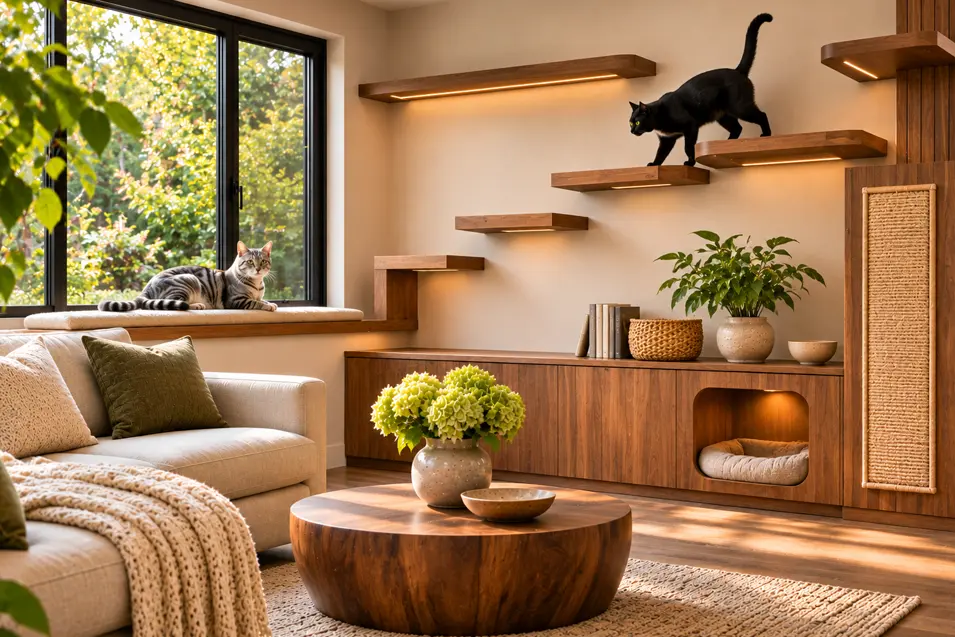
A truly pet-friendly house can’t focus exclusively on dogs.
Cats have different needs, including opportunities to climb, observe their surroundings, scratch, hide, and retreat to quiet spaces.
We’re considering ways to incorporate cat-friendly features without compromising the interior design.
Possibilities include attractive climbing shelves, window perches, integrated scratching surfaces, concealed litter-box areas, and carefully planned spaces where cats can escape unwanted attention.
For households with both dogs and cats, thoughtful separation and accessible escape routes can be particularly important.
A well-designed home should give each animal opportunities to feel comfortable and secure.
Article: 12 Indoor Cat Houses We Wish Actually Existed
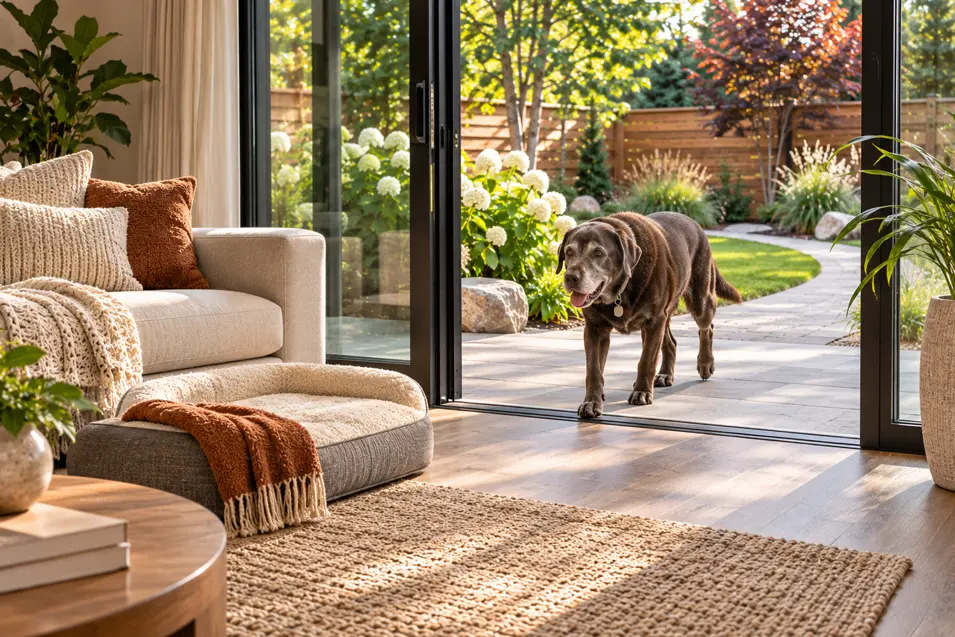
A house that works beautifully for a young, energetic dog may become challenging as that dog ages.
Stairs, slippery floors, high beds, and awkward access to outdoor spaces can all create difficulties for senior animals.
We want to consider long-term accessibility from the beginning.
That might include low-threshold entrances, ramps where appropriate, comfortable resting areas, nonslip flooring, and layouts that minimize unnecessary obstacles.
Some of these decisions could also benefit people as they grow older or experience mobility challenges.
Designing for the future may be one of the smartest investments we can make.
Article: Aging in Place With Pets
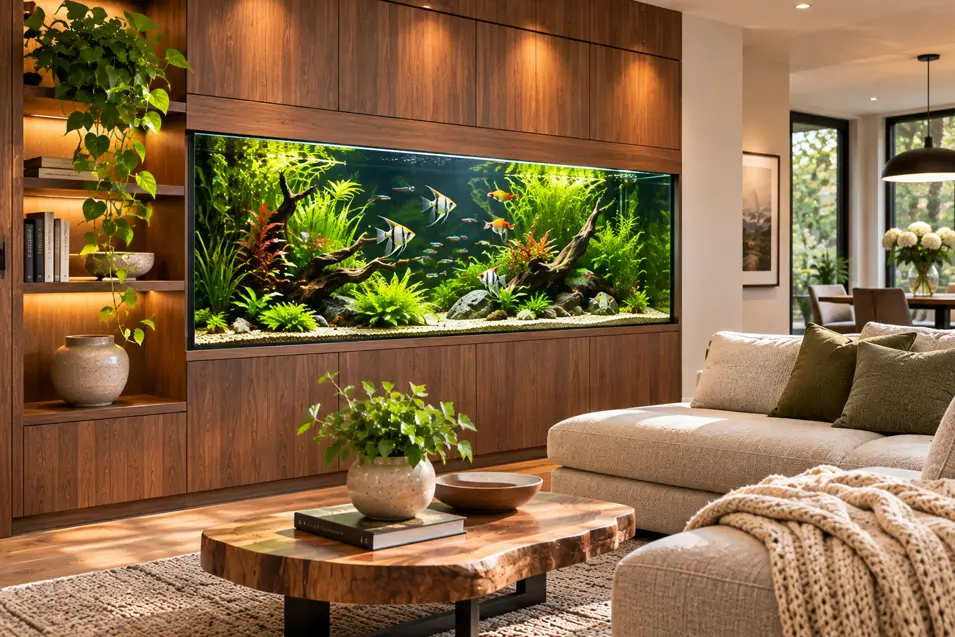
A thoughtfully designed aquarium can bring movement, colour, and a remarkable sense of tranquility into a home.
We’re interested in exploring how an aquarium could become part of the architecture rather than simply placing a fish tank on a cabinet. Imagine a beautifully planted freshwater aquarium integrated into a living room wall, a carefully designed aquatic display in a home office, or an aquarium that creates a natural focal point between two living spaces.
Of course, the well-being of the fish must come first. Proper tank dimensions, filtration, water quality, temperature control, and access for regular maintenance are essential.
We’d also need to consider structural support, electrical requirements, moisture protection, and the ongoing costs of maintaining a healthy aquatic environment.
The goal would be to create something visually spectacular while providing a safe, stable, and enriching habitat for the fish.
Articles: Stunning Kitchen Aquariums That Redefine Luxury Design and, Who’s in the Tank?
The World’s Most Pet Friendly House isn’t intended to be a showcase of expensive gadgets or extravagant custom features.
We’re interested in practical design decisions that make a genuine difference in everyday life.
Some ideas may require specialist products or professional installation. Others could be surprisingly affordable, especially when incorporated during the original design and construction of a home.
As the project develops, we’ll explore which features offer the greatest value, which deserve further investigation, and which might eventually become part of the finished house.
Some of the best ideas come from people who live with dogs and cats every day.
Perhaps you’ve built a clever feeding station, designed a beautiful pet washing area, discovered an exceptional flooring product, or found a simple solution to a frustrating household problem.
We’d love to hear about it.
We’re also interested in connecting with architects, builders, interior designers, manufacturers, craftspeople, and businesses developing products that make homes more comfortable for pets and their people.
The goal is simple: to explore what happens when we design a home with pets in mind from the very beginning.
And we’d love for you to be part of that conversation.