
Home should be more than a place to eat and sleep. It should be a refuge from the stresses of daily life—a space where you can unwind, recharge, and feel comfortable.
Yet many homes unintentionally create stress. Clutter accumulates, lighting feels harsh, noise becomes distracting, and rooms lack the warmth and comfort needed to truly relax.
The good news is that creating a peaceful home doesn’t require a complete renovation or a large budget. Small changes can have a significant impact on how your home feels and how you experience it every day.
Whether you live in a large house, a small apartment, or something in between, these simple strategies can help transform your home into a calmer and more relaxing environment.
1. Let in More Natural Light
Natural light has a powerful effect on mood and well-being.
Open curtains during the day, keep windows clean, and arrange furniture to maximize sunlight whenever possible.
Bright, naturally lit spaces often feel larger, more welcoming, and more uplifting.
2. Declutter One Room at a Time
Clutter can create visual stress and make even beautiful rooms feel overwhelming.
Rather than tackling your entire home at once, focus on one room or one area at a time.
Removing unnecessary items often creates an immediate sense of calm.
3. Add Indoor Plants
Plants bring life, color, and texture into a home.
Popular low-maintenance options include:
- Snake plants
- Pothos
- ZZ plants
- Spider plants
- Peace lilies
Even a few plants can help soften a room and strengthen your connection to nature.
4. Create a Comfortable Reading Corner
A cozy chair, soft blanket, good lighting, and a small table can transform an unused corner into a personal retreat.
Reading nooks encourage relaxation and provide a welcome escape from screens and daily distractions.
5. Choose Calming Colors
Color influences mood more than many people realize.
Relaxing colors often include:
- Sage green
- Soft blue
- Warm beige
- Cream
- Light gray
- Earth tones
These shades create a peaceful backdrop throughout the home.
6. Incorporate Natural Materials
Wood, stone, linen, cotton, and woven textures add warmth and authenticity.
Natural materials often make rooms feel more grounded and welcoming than synthetic alternatives.
7. Improve Bedroom Comfort
Quality sleep starts with a comfortable environment.
Consider:
- Better bedding
- Blackout curtains
- Comfortable pillows
- Reduced clutter
- Soft lighting
Your bedroom should feel like a sanctuary.
8. Introduce Soft Lighting
Harsh overhead lighting can make rooms feel cold and uninviting.
Layer lighting using:
- Table lamps
- Floor lamps
- Wall sconces
- Dimmable fixtures
Soft lighting creates a more relaxing atmosphere, particularly in the evening.
9. Bring Nature Indoors
Biophilic design focuses on strengthening connections with nature.
Simple ideas include:
- Plants
- Natural wood furniture
- Stone accents
- Fresh flowers
- Aquariums
- Nature-inspired artwork
Natural elements help create restorative spaces.
10. Create Better Home Office Balance
For remote workers, the home office should support both productivity and comfort.
Add:
- Natural light
- Plants
- Comfortable seating
- Organized storage
- Personal touches
A more pleasant workspace can reduce daily stress.
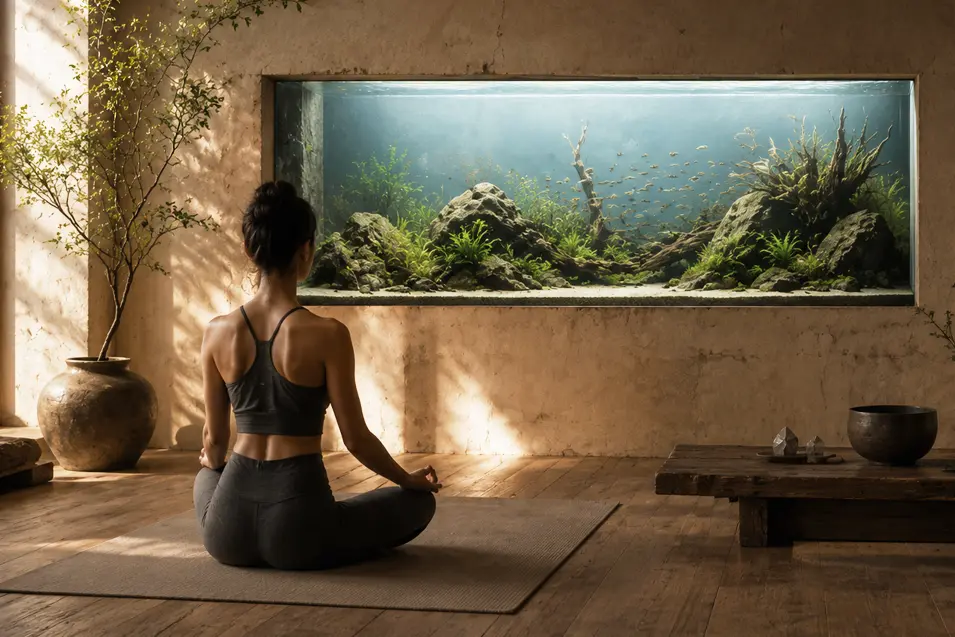
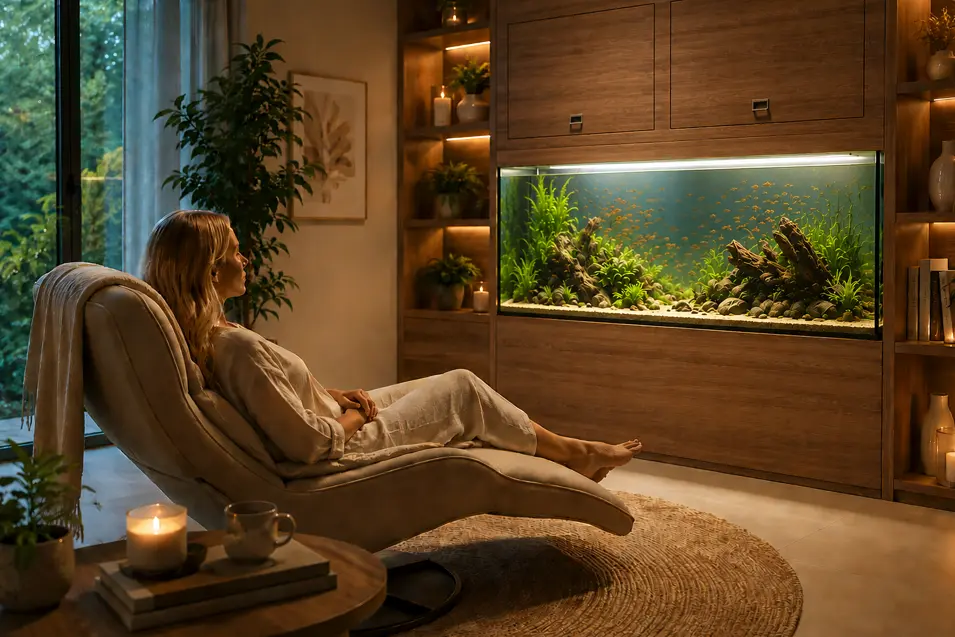
11. Add an Aquarium
Aquariums combine movement, color, water, and living elements.
Many homeowners find that watching fish swim creates a calming and relaxing experience.
A thoughtfully placed aquarium can become a beautiful focal point in any room.
12. Reduce Visual Noise
Too many decorative objects can make a room feel busy.
Try simplifying:
- Shelving displays
- Countertops
- Tabletops
- Wall décor
Giving the eye fewer things to process often creates a stronger sense of calm.
13. Make Your Entryway More Welcoming
Your home’s entrance sets the tone for the entire space.
Add:
- Attractive storage
- Good lighting
- A mirror
- Fresh greenery
- Seasonal décor
A welcoming entryway can instantly improve how your home feels.
14. Introduce Pleasant Scents
Scent has a powerful connection to mood and memory.
Consider:
- Fresh flowers
- Essential oil diffusers
- Candles
- Natural cleaning products
Choose subtle scents that promote relaxation rather than overwhelming the space.
15. Use Soft Textures
Comfort often comes down to texture.
Layer your rooms with:
- Throw blankets
- Area rugs
- Linen curtains
- Cushions
- Upholstered furniture
Soft textures help make spaces feel warm and inviting.
16. Organize Open Shelving
Open shelving can quickly become cluttered.
Use baskets, books, plants, and decorative objects strategically to create a more balanced and organized appearance.
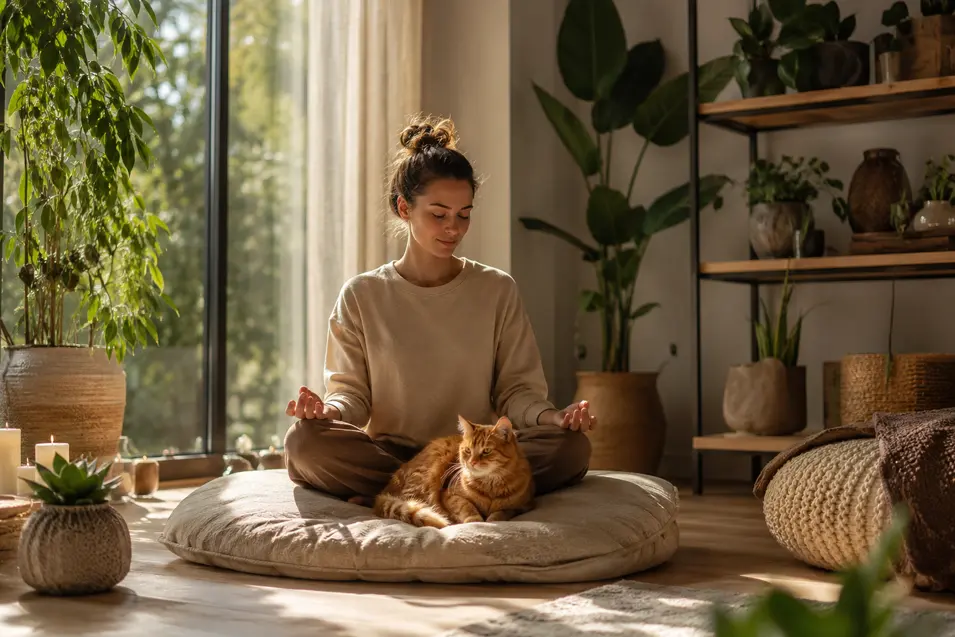
17. Design a Pet-Friendly Space
Pets often contribute significantly to a home’s sense of comfort.
Create dedicated areas for:
- Cat trees
- Cat wall furniture
- Pet beds
- Feeding stations
When integrated thoughtfully, pet spaces can complement your décor rather than compete with it.
18. Add More Greenery to the Kitchen
Fresh herbs, potted plants, and flowers can make kitchens feel more vibrant and welcoming.
Even a small herb garden on a windowsill can enhance the room.
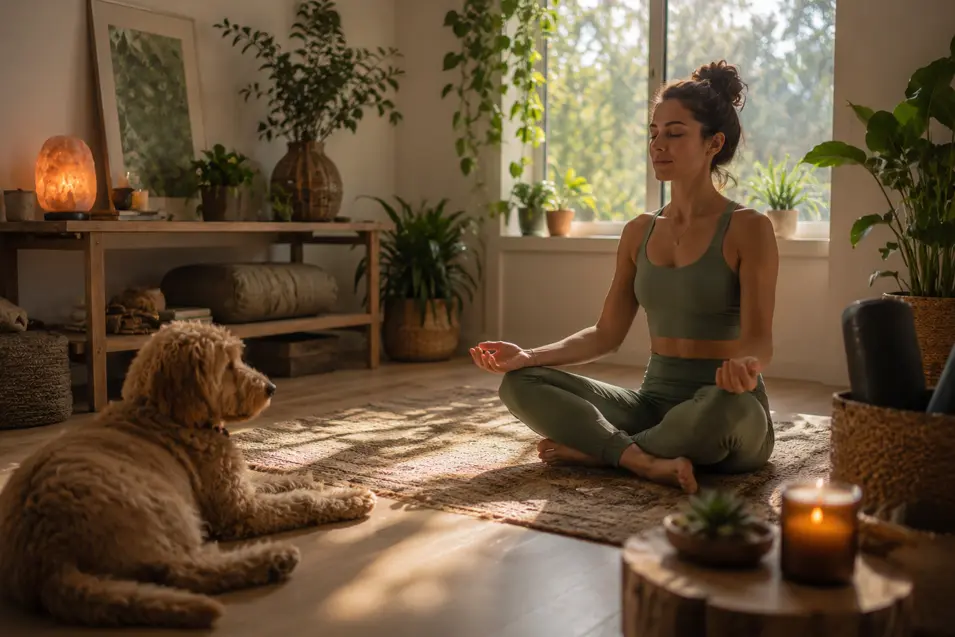
19. Embrace Quiet Spaces
Not every room needs entertainment or technology.
Consider creating areas specifically designed for:
- Reading
- Meditation
- Journaling
- Relaxation
These spaces encourage intentional downtime.
20. Improve Storage Solutions
A clutter-free home often feels more peaceful.
Invest in storage solutions that make organization easier, including:
- Cabinets
- Storage benches
- Decorative baskets
- Built-in shelving
Everything should have a home.
21. Create Better Furniture Flow
Rooms feel more comfortable when movement feels natural.
Arrange furniture so people can move easily through the space without obstacles or awkward layouts.
22. Add Personal Meaning
A relaxing home should reflect the people who live there.
Display:
- Family photos
- Travel souvenirs
- Meaningful artwork
- Favorite books
Personal touches create emotional warmth.
23. Use Window Views Strategically
Whenever possible, highlight attractive outdoor views.
Position seating areas near windows and avoid blocking natural sightlines to gardens, trees, or landscapes.
24. Reduce Technology Clutter
Technology is necessary, but it doesn’t need to dominate every room.
Hide cords, organize electronics, and create tech-free areas when possible.
A less screen-focused environment often feels more peaceful.
25. Focus on What Makes You Feel Relaxed
Ultimately, relaxation is personal.
For some people, it’s a room filled with plants. For others, it’s a cozy reading chair, an aquarium, a crackling fireplace, or a quiet home office.
The most peaceful homes reflect the needs and preferences of the people who live there.
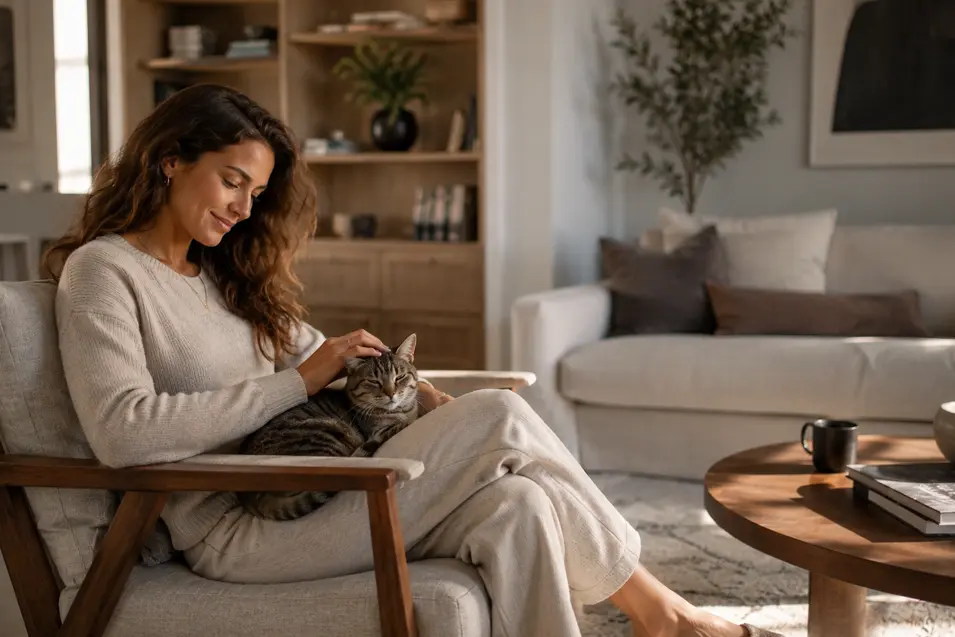
Bringing It All Together
You don’t need to implement all 25 ideas at once.
Start with one or two changes that feel achievable and build from there. Small improvements often create momentum, leading to bigger transformations over time.
The goal isn’t perfection. It’s creating a home that supports your well-being and provides a comfortable retreat from the outside world.
Final Thoughts
A peaceful home doesn’t happen by accident. It results from thoughtful choices that prioritize comfort, organization, natural elements, and personal well-being.
Whether you’re adding more natural light, incorporating plants, creating a reading nook, improving storage, or introducing calming design elements, every small improvement contributes to a more relaxing environment.
Your home should be a place where you can exhale, recharge, and enjoy spending time. By making intentional changes, you can create a space that feels calmer, more welcoming, and better suited to the life you want to live.
Frequently Asked Questions
What is the fastest way to make a home feel more relaxing?
Decluttering, improving lighting, and adding natural elements such as plants can often make an immediate difference.
Do indoor plants really make a room feel calmer?
Many homeowners find that plants add life, color, and a stronger connection to nature, helping spaces feel more relaxing and inviting.
What colors create a peaceful atmosphere?
Soft greens, blues, beiges, grays, and other nature-inspired tones are commonly associated with calm and relaxation.
Can a small apartment feel peaceful?
Absolutely. Thoughtful organization, good lighting, natural materials, and strategic use of space can make even small homes feel calm and comfortable.
Are aquariums relaxing?
Many people find the movement of fish and water soothing, making aquariums popular additions to living rooms, offices, and wellness-focused spaces.
How do I make my bedroom more relaxing?
Focus on comfort, soft lighting, quality bedding, reduced clutter, and calming colors to create a restful environment.