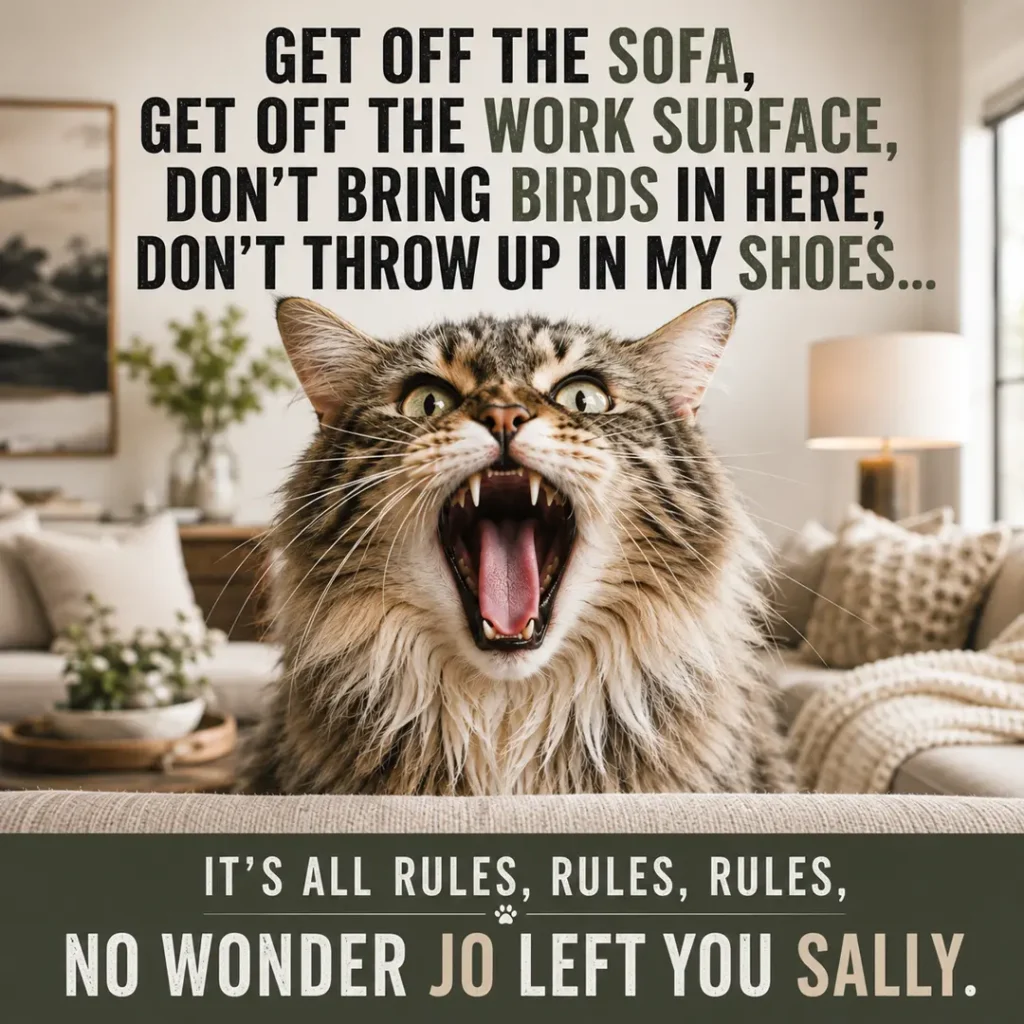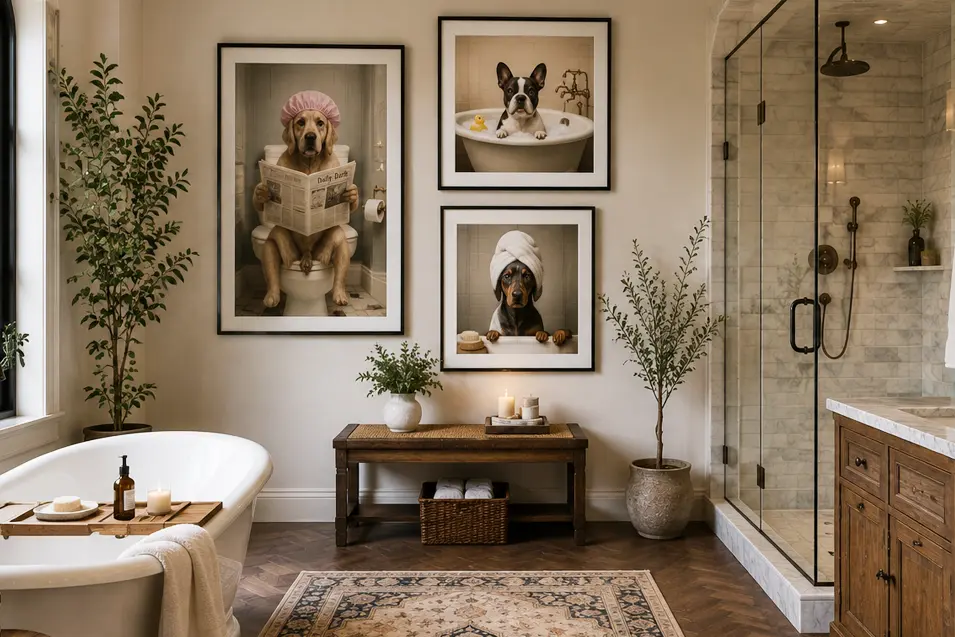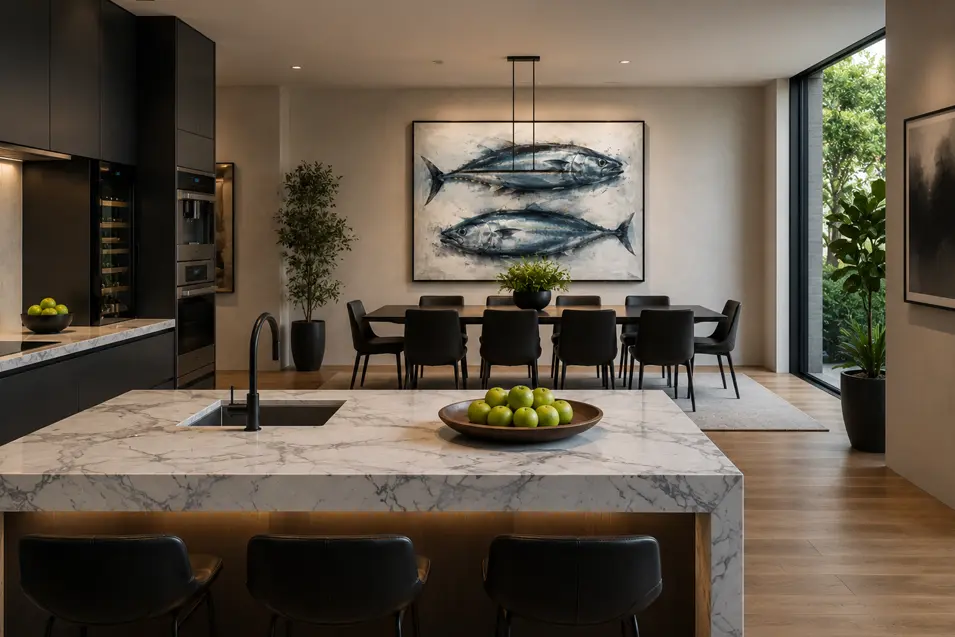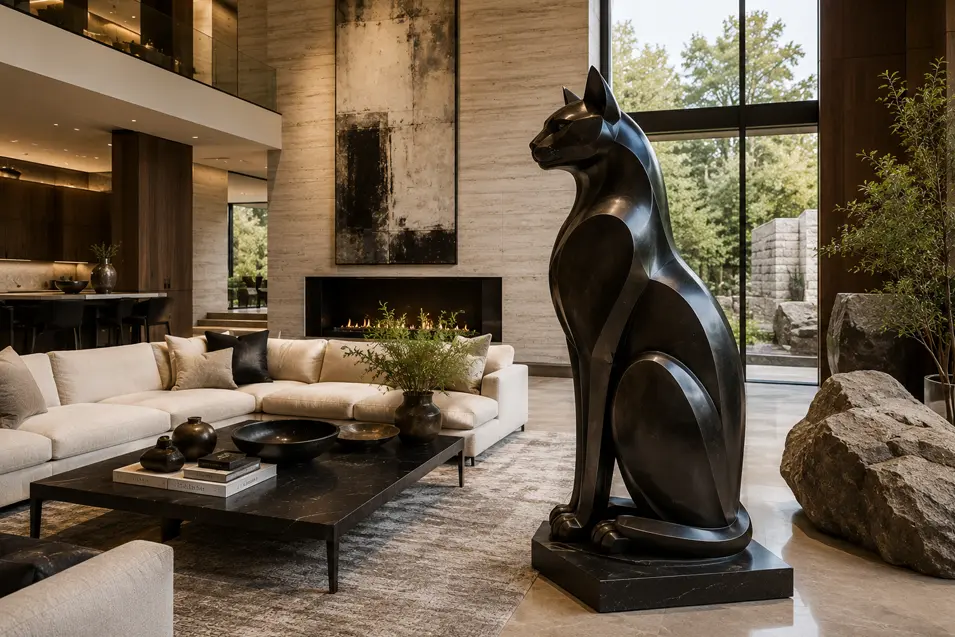
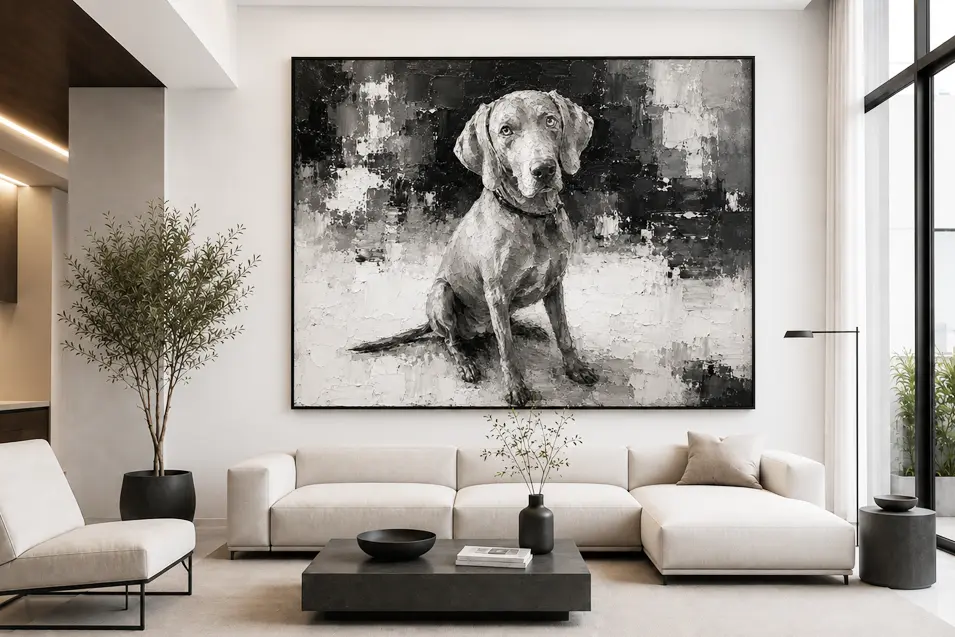
AI has completely changed the way pet owners create custom artwork. With one good photo and the right prompt, a beloved dog, cat, horse, rabbit, bird, or other companion can be transformed into dozens of different portrait styles.
The same pet photo can become a soft watercolor painting, a dramatic charcoal drawing, a Renaissance noble, a playful cartoon, a farmhouse wall print, or a magazine-quality luxury portrait. That variety is what makes AI pet art so exciting.
But it also creates a question:
Which AI pet portrait style should you choose?
The best style depends on your pet’s personality, your home’s décor, and how you plan to use the final image. Some styles are perfect for framed wall art. Others are better for gifts, social media, greeting cards, memorial portraits, or playful keepsakes.
This guide compares 25 AI pet portrait styles so you can decide which look works best before you start generating images.
Start with the Same Pet Photo
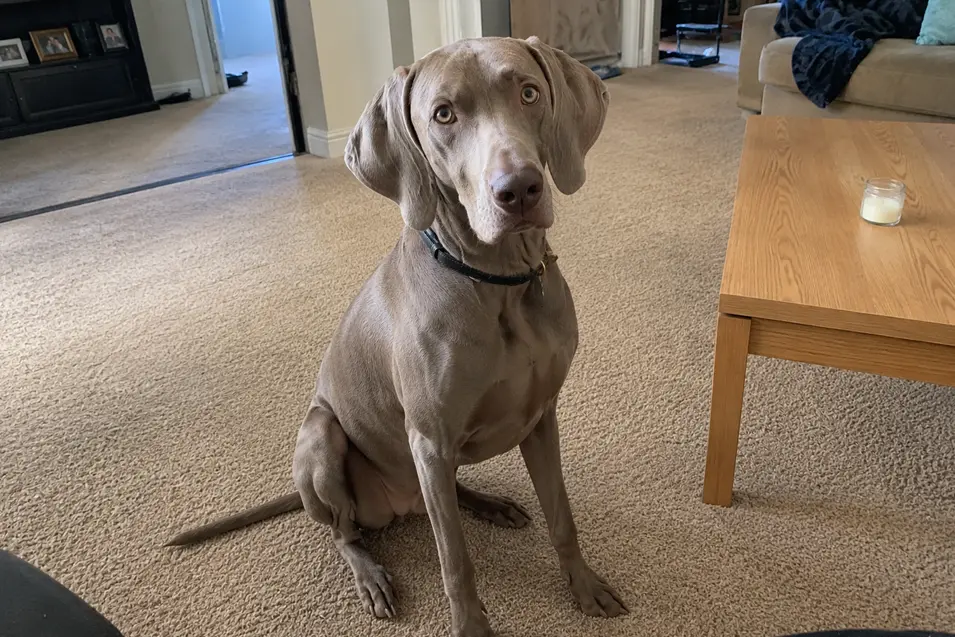
For the most useful comparison, use the same pet photo for every style.
This allows you to see how each prompt changes:
- Mood
- Texture
- Color
- Background
- Realism
- Personality
- Printability
Choose a clear, high-resolution image where your pet’s face, eyes, and body shape are easy to see. A well-lit photo will usually produce better results across every style.
1. Watercolor Pet Portrait
Watercolor is one of the most popular AI pet art styles because it feels soft, artistic, and timeless.
This style works beautifully for dogs, cats, rabbits, horses, and memorial portraits. It often uses gentle brushstrokes, pastel tones, and airy backgrounds.
Best for: Bedrooms, nurseries, gifts, memorial artwork, soft home décor.
Prompt:
“Transform this pet photo into a delicate watercolor portrait with soft brushstrokes, gentle pastel colors, flowing textures, expressive eyes, and an elegant hand-painted appearance.”
2. Oil Painting
Oil painting gives pet portraits a rich, classic, gallery-worthy look.
This style works especially well for pets with dramatic expressions, luxurious coats, or regal personalities. It can feel traditional, elegant, and timeless.
Best for: Formal rooms, statement wall art, heirloom-style portraits.
Prompt:
“Create a museum-quality oil painting portrait of this pet with rich textures, classical lighting, elegant brushwork, detailed fur, and a timeless fine art background.”
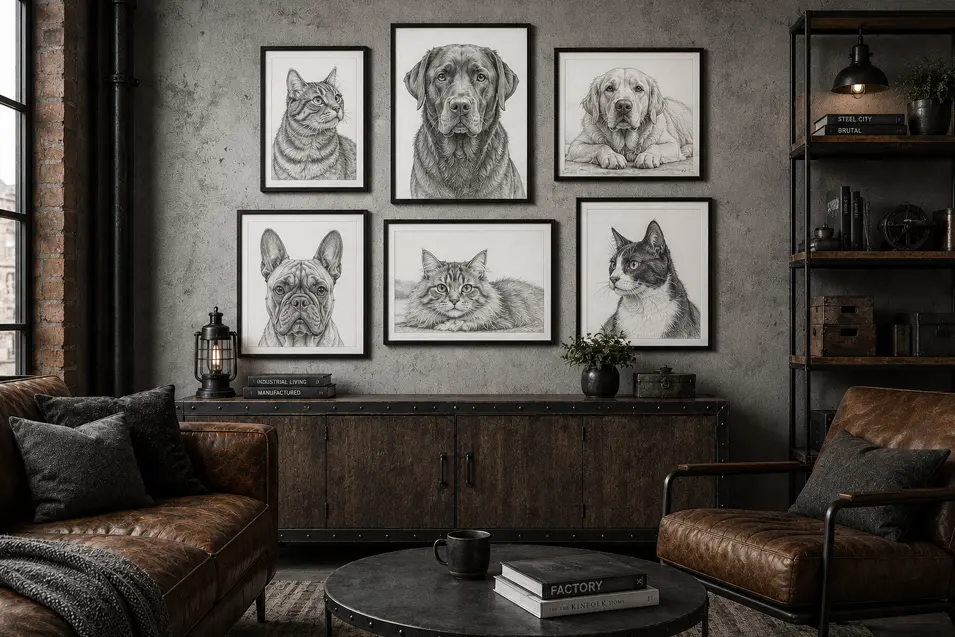
3. Pencil Sketch
Pencil sketches are clean, emotional, and highly detailed.
This style is excellent for capturing facial features, eyes, fur patterns, and expression. It also works well for pet memorials because it feels personal and understated.
Best for: Memorial portraits, minimalist décor, classic framed art.
Prompt:
“Create a highly detailed pencil sketch of this pet on textured artist paper, with realistic shading, fine line work, expressive eyes, and accurate fur detail.”
4. Charcoal Drawing
Charcoal portraits feel more dramatic than pencil sketches.
They often feature deeper shadows, stronger contrast, and a fine-art studio appearance. Charcoal works especially well for black-and-white pets, senior pets, and emotional portraits.
Best for: Dramatic wall art, memorial pieces, black-and-white interiors.
Prompt:
“Transform this pet photo into a dramatic charcoal drawing on textured paper, with deep shadows, soft blending, expressive detail, and a professional fine art portrait style.”
5. Renaissance Portrait
Renaissance pet portraits are elegant, funny, and surprisingly sophisticated.
This style often places pets in royal clothing, classical poses, and dramatic lighting. It is ideal for pets with dignified expressions.
Best for: Conversation pieces, gifts, large framed portraits.
Prompt:
“Transform this pet into a Renaissance-era royal portrait wearing elegant period clothing, with dramatic lighting, rich textures, classical oil painting style, and a museum-quality appearance.”
6. Pop Art
Pop art is bold, colorful, and full of energy.
This style works best for playful pets and modern homes that embrace bright color. It is also excellent for social media and statement prints.
Best for: Game rooms, offices, kids’ rooms, colorful interiors.
Prompt:
“Transform this pet into a vibrant pop-art portrait with bold colors, strong contrast, graphic shapes, playful energy, and a contemporary gallery style.”
7. Art Deco
Art Deco pet portraits feel glamorous, polished, and stylish.
Expect geometric patterns, metallic accents, symmetry, and vintage luxury. This style works beautifully for sleek cats, elegant dogs, and dramatic compositions.
Best for: Sophisticated interiors, luxury prints, statement artwork.
Prompt:
“Create an Art Deco-inspired pet portrait with geometric design elements, luxurious gold accents, dramatic symmetry, elegant lighting, and a refined vintage glamour aesthetic.”
8. Mid-Century Modern
Mid-century modern pet art uses simple shapes, warm colors, and retro-inspired design.
This style feels stylish without being overly formal. It works well in homes with wood furniture, clean lines, and vintage-modern décor.
Best for: Living rooms, offices, retro interiors, modern apartments.
Prompt:
“Create a mid-century modern pet portrait with clean geometric shapes, warm retro colors, simple composition, stylish background, and vintage-modern design influence.”
9. Fantasy Portrait
Fantasy pet portraits turn your companion into a storybook hero.
This style can include magical forests, castles, glowing light, mythical landscapes, or enchanted details.
Best for: Children’s rooms, gifts, social media, imaginative keepsakes.
Prompt:
“Transform this pet into a magical fantasy character in an enchanted setting, with cinematic lighting, detailed storybook illustration style, glowing atmosphere, and heroic personality.”
10. Cartoon Style
Cartoon pet portraits are playful, expressive, and fun.
They are great for capturing quirky personalities and creating images for cards, stickers, social media, and children’s gifts.
Best for: Greeting cards, stickers, playful prints, family gifts.
Prompt:
“Create a charming cartoon-style portrait of this pet with expressive eyes, playful personality, clean outlines, bright colors, and a polished animated illustration look.”
11. Impressionist Painting
Impressionist pet portraits use soft brushstrokes, light, and movement rather than sharp detail.
This style is excellent for outdoor scenes, gardens, beaches, and warm emotional portraits.
Best for: Elegant wall art, traditional homes, soft artistic décor.
Prompt:
“Transform this pet photo into an impressionist painting with visible brushstrokes, soft natural light, rich color blending, gentle movement, and a classic fine art atmosphere.”
12. Farmhouse Style
Farmhouse pet portraits feel warm, rustic, and welcoming.
They often use distressed wood textures, neutral colors, greenery, and cozy backgrounds.
Best for: Kitchens, mudrooms, family rooms, farmhouse interiors.
Prompt:
“Create a rustic farmhouse-style portrait of this pet with distressed wood textures, soft earth tones, warm natural lighting, subtle greenery, and a handcrafted wall art appearance.”
13. Modern Gallery Portrait
Modern gallery portraits are clean, polished, and sophisticated.
This style focuses on simplicity, lighting, composition, and elegance. It is ideal for homeowners who want pet art that feels upscale rather than cute or novelty.
Best for: Contemporary homes, offices, luxury interiors, large canvas prints.
Prompt:
“Create a sophisticated modern gallery portrait of this pet with a clean background, neutral color palette, elegant lighting, refined composition, and large-format wall art quality.”
14. Abstract Pet Art
Abstract pet portraits focus on color, form, movement, and emotion rather than realism.
This style can be subtle and elegant or bold and expressive depending on the prompt.
Best for: Contemporary interiors, creative spaces, statement walls.
Prompt:
“Transform this pet into an abstract contemporary artwork using expressive shapes, layered textures, artistic color fields, emotional movement, and a refined gallery-style composition.”
15. Black-and-White Fine Art
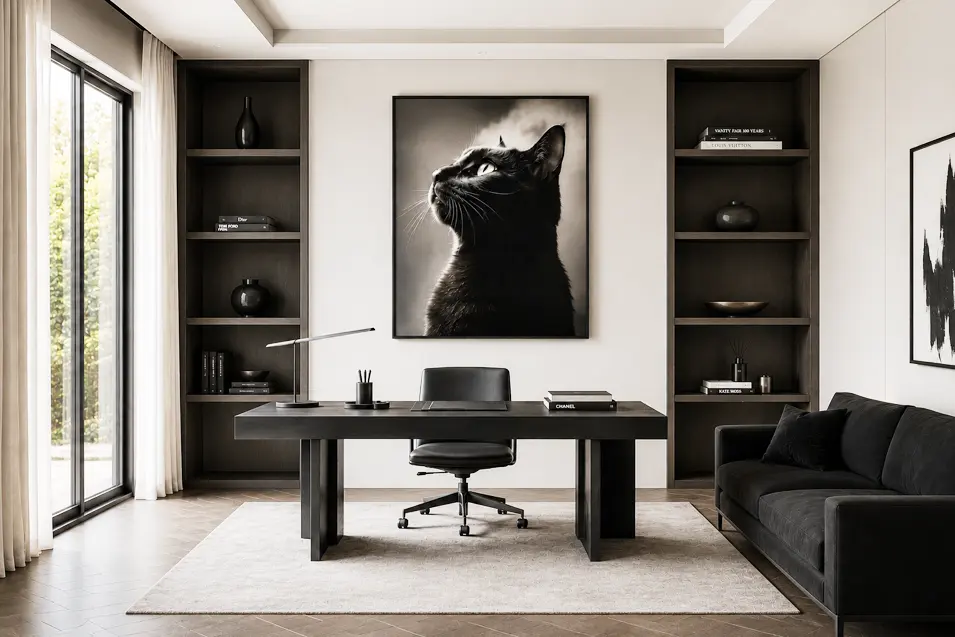
Black-and-white fine art portraits are timeless and dramatic.
This style removes color distractions and focuses on eyes, expression, contrast, texture, and lighting.
Best for: Hallways, offices, modern interiors, memorial portraits.
Prompt:
“Create a black-and-white fine art portrait of this pet with dramatic contrast, professional studio lighting, sharp focus on the eyes, detailed fur texture, and museum-quality photographic style.”
16. Coastal Pet Portrait
Coastal pet portraits are light, relaxed, and breezy.
They often feature soft blues, sandy neutrals, natural textures, sunlight, and beach-inspired details.
Best for: Beach homes, cottages, coastal interiors, summer gifts.
Prompt:
“Create a coastal cottage-style portrait of this pet with soft blues, sandy neutrals, bright natural light, relaxed seaside atmosphere, and elegant beach-inspired details.”
17. Rustic Portrait
Rustic pet art is slightly different from farmhouse style. It usually feels more rugged, natural, and earthy.
Think weathered textures, outdoor settings, warm browns, leather, stone, wood, and natural light.
Best for: Cabins, lodges, country homes, masculine interiors.
Prompt:
“Create a rustic pet portrait with natural wood textures, earthy tones, warm outdoor lighting, rugged charm, detailed fur, and a timeless country-inspired atmosphere.”
18. Victorian Portrait
Victorian pet portraits are formal, ornate, and full of character.
This style often includes antique clothing, decorative backgrounds, rich colors, and old-world charm.
Best for: Humorous gifts, traditional interiors, dramatic framed prints.
Prompt:
“Transform this pet into a Victorian-era aristocratic portrait with elegant vintage clothing, ornate background details, rich colors, formal pose, and antique portrait styling.”
19. Gothic Portrait
Gothic pet portraits are moody, mysterious, and dramatic.
They may include dark backgrounds, candlelight, old architecture, deep shadows, and romantic intensity.
Best for: Dramatic interiors, Halloween content, fantasy lovers, unique gifts.
Prompt:
“Create a gothic-inspired portrait of this pet with dramatic shadows, dark elegant background, candlelit atmosphere, antique architecture, rich textures, and mysterious fine art styling.”
20. Japanese Ink Wash
Japanese ink wash, also known as sumi-e inspired art, uses simplicity, brushwork, and negative space.
This style is elegant, calm, and artistic. It works especially well for cats, birds, horses, and graceful dogs.
Best for: Minimalist interiors, meditation spaces, elegant wall art.
Prompt:
“Transform this pet into a Japanese ink wash painting with expressive black brushstrokes, soft gray washes, elegant negative space, traditional paper texture, and calm artistic simplicity.”
21. Scandinavian Minimalist
Scandinavian pet art is simple, clean, and warm.
It often uses neutral tones, natural textures, open space, and minimal lines.
Best for: Modern homes, apartments, nurseries, minimalist décor.
Prompt:
“Create a Scandinavian minimalist portrait of this pet with simple lines, soft neutral tones, clean composition, negative space, natural warmth, and elegant modern design.”
22. Luxury Studio Photography
Luxury studio portraits are some of the most realistic and printable AI pet images.
This style uses professional lighting, sharp focus, shallow depth of field, and a polished magazine-quality look.
Best for: Framed prints, luxury décor, professional-looking pet portraits.
Prompt:
“Create a photorealistic luxury studio portrait of this pet, magazine-quality photography, professional studio lighting, ultra-detailed fur texture, sharp focus on the eyes, shallow depth of field, and elegant background.”
23. Cinematic Portrait
Cinematic portraits look like stills from a movie.
They often include dramatic lighting, atmospheric backgrounds, rich shadows, and emotional storytelling.
Best for: Statement images, social media, posters, dramatic wall art.
Prompt:
“Create a cinematic portrait of this pet with dramatic movie-style lighting, atmospheric background, shallow depth of field, rich color grading, emotional expression, and high-end film still quality.”
24. Magazine Cover Style
Magazine cover pet portraits are polished, stylish, and attention-grabbing.
This style is great for pets with personality and works well for blog graphics, social media, and playful home prints.
Best for: Social media, blog features, gifts, stylish portraits.
Prompt:
“Create a magazine-cover-quality portrait of this pet with professional photography, polished styling, confident pose, clean composition, dramatic lighting, and space for headline text.”
25. Full-Body Lifestyle Portrait
A full-body lifestyle portrait shows the pet in an environment instead of just focusing on the face.
This style is excellent when you want to capture personality, setting, movement, or the relationship between pet and home.
Best for: Home décor, website images, storytelling, lifestyle blogs.
Prompt:
“Create a photorealistic full-body lifestyle portrait of this pet in a beautiful home interior, natural lighting, relaxed pose, magazine-quality composition, realistic fur detail, and balanced background.”
Which AI Pet Portrait Style Is Best?
There is no single best style. The right choice depends on the purpose of the image.
For emotional keepsakes, watercolor, pencil sketch, charcoal, and black-and-white fine art are excellent choices.
For dramatic wall art, oil painting, Renaissance, Gothic, Art Deco, and luxury studio photography work beautifully.
For fun and personality, cartoon, pop art, fantasy, and magazine cover styles are ideal.
For home décor, farmhouse, rustic, coastal, Scandinavian, modern gallery, and mid-century modern styles are especially useful.
Tips for Comparing Styles
When testing these styles, use the same photo each time. This gives readers or viewers a true side-by-side comparison.
Also try to keep the composition consistent by adding:
“Keep the pet’s pose, facial features, fur color, and expression consistent.”
This helps prevent the AI from changing the pet too much between versions.
For printed artwork, add:
“Suitable for high-resolution framed wall art.”
For social media, add:
“Optimized for mobile viewing and strong visual impact.”
For portraits, add:
“Sharp focus on the eyes.”
Why These Comparisons Work So Well
People love AI pet portrait comparisons because they show possibilities at a glance.
A reader may not know they want a Japanese ink wash portrait until they see one. They may assume farmhouse art is too rustic until they compare it with a modern gallery version. They may discover that a pencil sketch captures their pet’s expression better than a colorful painting.
That is the value of style comparison.
It helps pet owners move from a vague idea—“I want art of my pet”—to a clear creative direction.
Final Thoughts
AI pet portraits are more than a novelty. When created thoughtfully, they can become meaningful artwork, personalized gifts, memorial pieces, social media content, or beautiful additions to home décor.
The key is choosing the style that best fits the pet, the setting, and the final purpose.
By comparing watercolor, oil painting, pencil sketch, charcoal, Renaissance, pop art, luxury photography, and many other styles, pet owners can discover creative possibilities they may never have considered.
With one good photo and the right prompt, your pet can become the inspiration behind an entire collection of custom artwork.